 Skip to content


Article Abstract:
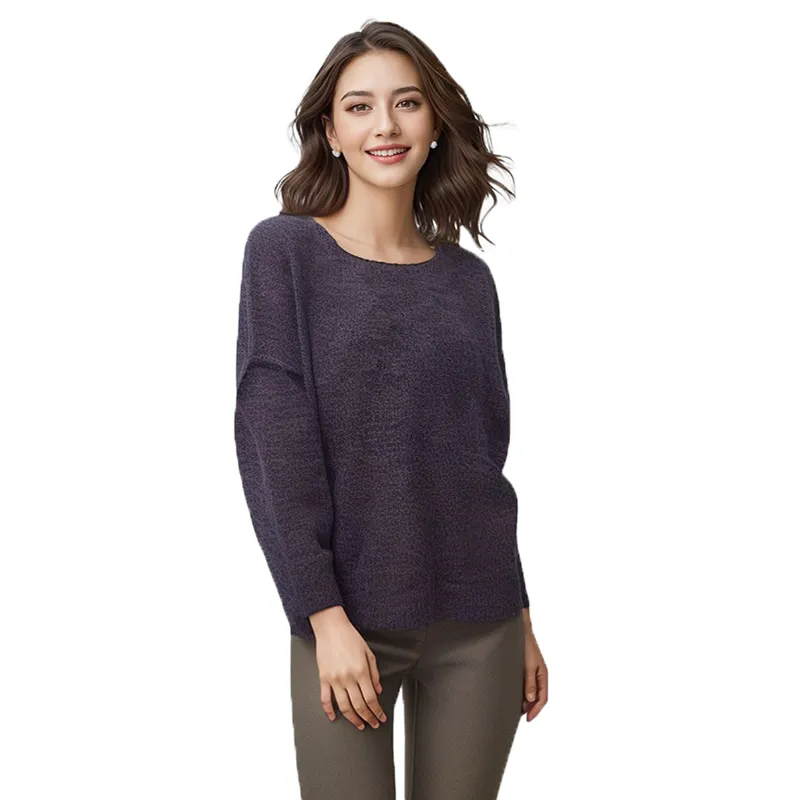
Seasonal clothing has become a part of the regular fashion landscape, and printed sweaters have evolved from being a seasonal curiosity into a core component of the global women’swear market.
According to the trends published in The Business of Fashion, WGSN, and studies that evaluate the fiber performance of printed fabric, consumers’ demand for printed knitwear is being altered by the advances in digital printing, lifestyle changes, and a growing focus on expressive, but functional apparel.
Based on these authoritative sources, this guide provides a comprehensive analysis of the most popular printed sweaters for women in 2026. It explores the material innovation, print technology, aesthetic trends, sustainability concerns, and commercial potential.
Introduction: Why Printed Sweaters Matter More Than Ever in 2026
The women’s sweater market has experienced a quiet but significant evolution over the past decade. While silhouette and yarn composition once dominated purchasing decisions, surface design—especially printing—has become a central value driver. In 2026, the printed sweater will no longer be a limited fashion statement; it will be a commonplace in all mass, premium, and designer markets.
Several significant shifts in structure explain the alteration. First, digital textile printing has evolved to a point where high definition, multiple color patterns can be applied to knitted fabrics without negatively affecting the softness or stretch.
Second, modern consumers have a greater appreciation for sweaters as expressive clothing than as functional clothing during cold weather.
Third, social commerce and visual-based platforms have increased the demand for clothing that photographs well; as a result, print design is now an important component of clothing’s popularity and conversion.

Understanding Printed Sweaters: Definition and Scope
A printed sweater is a knitted garment that contains patterns, images, or glyphs that are derived from printed books instead of being applied through traditional methods of yarn-dyeing or jacquard knitting alone. Unlike pre-woven printed fabric, knit structures have unique difficulties due to the elasticity, formation of loops, and surface design.
In 2026, printed sweaters will include a variety of different categories, including lightweight pullovers, oversized winter knits, fine-grained layering pieces, and hybrid knits that blend in between sweaters and sweatshirts. This diversity has increased the popularity of printed sweaters over time.
The Evolution of Print Technology in Knitwear
From Traditional Approach to Precision in Digitization
Traditionally, patterns for knitting were primarily derived from the selection of yarn and the structure of stitches. While the practice of jacquard knitting is still important, it diminishes the design’s flexibility and increases the production’s difficulty. The implementation of digital direct-to-Generator (DTG) and rotary screen printing, which were designed for use with knits have changed the industry.
Studies in the Textile Research Journal have demonstrated that modern printing systems can now print pigment inks that interact with the fabric, which diminishes the likelihood of color distortion and cracking. This technological evolution is one of the most significant reasons why printed sweaters are more long-lasting and more fashionable in the future than in previous eras.
Key Material Choices for Printed Sweaters in 2026
Material selection plays a decisive role in print clarity, color longevity, and consumer comfort. The most popular printed sweaters for women in 2026 rely on a balance between natural fibers and engineered blends.
| Material Type | Print Performance | Comfort Level | Market Position |
| Cotton Blends | High color absorption, soft hand feel | High | Mass to premium |
| Viscose/Rayon | Smooth surface, vivid prints | Very high | Fashion-focused |
| Wool Blends | Subtle print effect, textured look | High | Premium |
| Recycled Polyester Blends | Sharp detail, durability | Medium–High | Sustainable & active |
Natural fibers remain dominant for comfort-driven markets, while blended yarns offer better dimensional stability and print precision.
Aesthetic Trends Defining Printed Sweaters for Women in 2026
- Artistic and Hand-Drawn Designs
One of the most notable trends observed by WGSN is the increasing prevalence of art-inspired patterns, including water-based effects, abstract lines, and painterly flowers. These designs fit with consumers who want individuality without going overboard.
- Inspired by Nature’s Graphics
botanical components, landscapes, and organic fibers have continued to triumph; this is attributed to a larger cultural commitment to health and environmental connection.
- Minimalist writing and Symbolism
Sweaters that are printed with subtle text, symbols, or numbers are popular with both urban and minimalist audiences, particularly in mid-range sweaters that are intended for everyday use.
Color Palettes Driving Popularity
Color trends for printed sweaters in 2026 emphasize balanced contrast rather than extreme saturation. Earth tones, softened pastels, and muted brights dominate, offering visual interest without overwhelming the knit texture.
Fit and Silhouette: How Shape Enhances Print Appeal
Oversized and relaxed silhouettes remain popular, as they provide larger canvas areas for print placement. However, fitted printed sweaters are also gaining traction in premium segments, where print alignment and proportion are carefully engineered.
Sustainability and Ethical Considerations in Printed Knitwear
Sustainability is now frequently associated with popularity. According to McKinsey & Company, consumers are increasingly concerned with the potential waste associated with printed clothing. As a result, leading brands are taking part in water conservation, having digital water-saving printing, and recyclable fiber blends.
| Sustainability Factor | Impact on Buyer Preference | Industry Adoption |
| Low-water printing | High | Rapidly increasing |
| Certified inks | Medium–High | Moderate |
| Recycled fibers | High | High |
Commercial Performance: Why Printed Sweaters Outsell Solids
Sweaters that are printed have a superior performance in several business areas:
- More Impactful Visualization
Immediately, prints that are diverse and have a variety of colors and patterns become the most popular in:
- Online thumbnails
- Display stores
- Social media content
This visibility advantage directly increases the click-through rate and conversion.
- Design’s perceived value
Consumers often believe that prints are:
- Increased design commitment
- More individualized approach
- Fashionable identity
As such, printed sweaters have the potential to increase the perceived value of the product when base materials are identical.
- Today, organizations are increasingly concerned with responding to trends in the workplace.
Immediately, printed sweaters can respond to:
- Seasonal patterns
- Pop culture’s influence
- Regional favorites
This flexibility helps brands to refresh collections without changing the core silhouettes.

Seasonal Versatility of Printed Sweaters
Despite being associated with fall and winter, printed sweaters perform well across multiple seasons.
- Fall & Winter
Bold patterns, geometric designs, and winter motifs
Layer-friendly weights for coats and jackets
- Spring Transition
Lighter prints and pastel tones
Cropped or relaxed fits for casual styling
- Year-Round Appeal
Indoor-friendly weights
Fashion layering in air-conditioned environments
Prints extend seasonal shelf life compared to single-tone sweaters.
Care and Durability: Addressing Consumer Concerns
One of the primary concerns associated with printed sweaters is their durability.
- Common Concerns
The printing process, the fading, or the cracking of the paper.
The color of the object is transferred to the water during the washing process.
The composition of the fabric changes over time due to repeated use.
- Professional Help
Modern printing methods (sublimation, digital, or reactive)
Pre-shrunk and colorfast-conditioned fabrics
Effective labeling and educational programs for consumers regarding the clear identification of the product.
When executed with the proper care, printed sweaters will match or surpass the longevity of solid-colored alternatives.
Printed Sweaters Across Market Segments
- Large Market
Fashionable prints
Affordable pricing
Large production volume
- Mid-Range/ lifestyle brands
Adequate design and superior fabric quality
Practical patterns that can be used on a daily basis.
Excellent online performance
- High-end and Fashionable Segments
Artistic or limited-releases prints
Storytelling and singularity
More expansive stories that supported the design.
Sweaters printed on demand are well-suited for multiple price tiers.
Buying Guide: What Makes a Printed Sweater Truly Popular?
When choosing a printed sweater, consumers should consider:
- Clarity and Precision – Clean up and consistent color
- Fabric compatibility – Prints should enhance the fabric, not make it stiff.
- Color Harmony – Balanced Palettes have a larger audience.
- Wearability – Natural prints that become part of everyday wear.
- Fit and Silhouette – The comfort of the chair is unalterable.
A popular printed sweater is both fashionable and practical.
Common Mistakes Brands Make with Printed Sweaters
Mistake 1: Overzealous Designs
Too many components can overwhelm the garment and reduce its wearability.
Mistake 2: Disregarding the compatibility of fabric with prints
Not all fabrics are equally affected by printing, which results in poor colorfastness or long-term stability.
Mistake 3: The pursuit of fashion without taking into account market conditions
Follow-the-line prints that don’t have an audience in mind can have a high return.
Mistake 4: Overestimating the importance of communication
The lack of specific care instructions increases customer dissatisfaction and negative feedback.
Mistake 5: Embracing prints as a temporary fix
Effective prints should be the core seasonal goods, not the wasteful trends.
Frequently Asked Questions (FAQ)
Q1: What is the definition of a printed sweater?
A printed sweater is a form of clothing that is designed using printed methods instead of being made by hand or using a Jacquard machine.
Q2: Can printed sweaters be durable?
Yes. The advances in printing technology have led to a significant increase in the durability of the printed product when proper inks and finishing processes are employed.
Q3: What materials are most effective in printed sweaters?
Cotton blends and viscose-based fibers provide the best combination of ease of use and textural clarity.
Q4: Can printed sweaters be used in all seasons?
Lightweight printed sweaters are beneficial for the transitional season; heavier versions are appropriate for the winter season.
Q5: Do printed sweaters follow sustainable fashion?
When manufactured using low-powered printing methods and materials that are certified, printed sweaters can achieve modern environmental standards.
Conclusion: The Future of Printed Sweaters for Women
As the season progresses, the printed sweater becomes one of the most popular categories in women’s knitwear. Fueled by technological innovation, evolving consumer values, and a desire for expressive yet wearable fashion, printed sweaters are no longer trend-driven novelties but long-term wardrobe staples.
For brands, retailers, and professionals in the industry, understanding the causes of their popularity is crucial. For consumers, printed sweaters have a rare combination of ease, individuality, and fashion-ability that is more important than ever before.

 English
  French
  Chinese
  German
  Japanese
  Spanish
  Portuguese
  Russian