 Skip to content

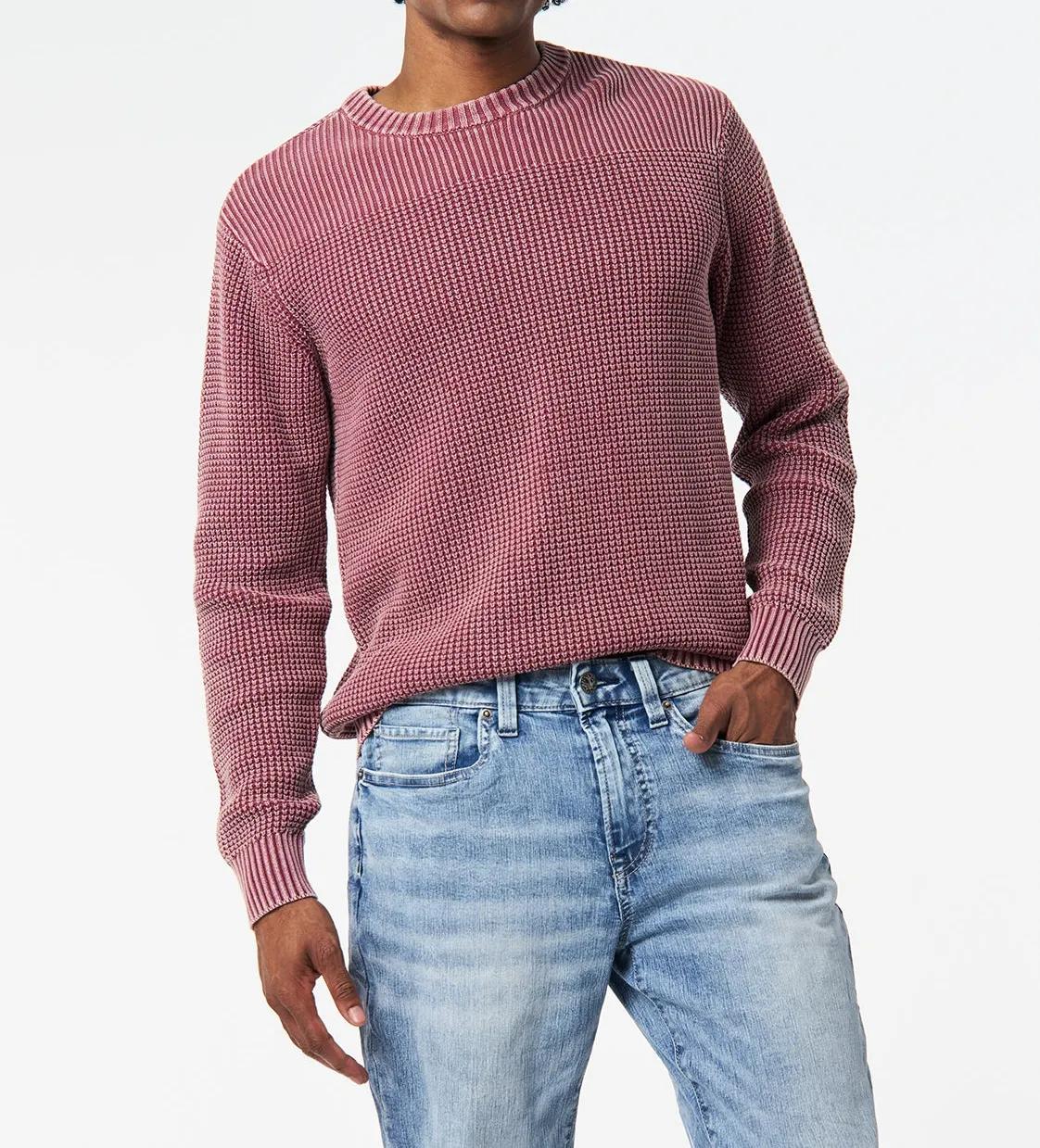

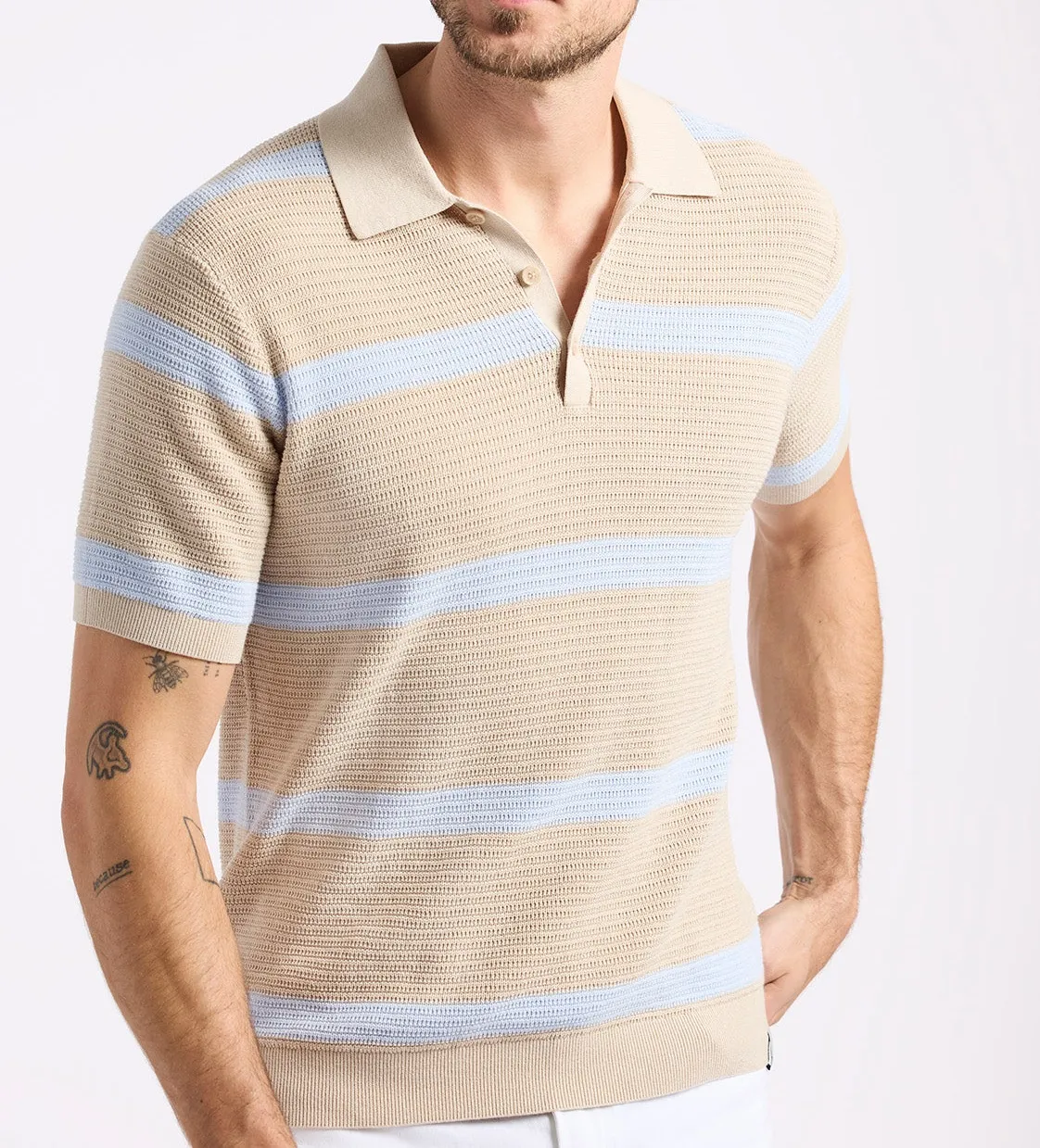
Fast-paced seasonal trend shifts dictated by New York Fashion Week (NYFW) and evolving US consumer preferences require aggressive speed-to-market. However, navigating global supply chains to produce a trend-accurate Women’s Sweater often forces labels to compromise on either product quality, margin, or ethical compliance. Mid-tier to enterprise women’s apparel brands struggle with procurement bottlenecks. Specifically, you face high minimum order requirements (MOQs), delayed prototyping for complex runway-inspired silhouettes, and unverified offshore production practices that expose the brand to audit risks and missed delivery windows. Mitigating supply chain friction requires moving beyond transactional vendor sourcing to integrated ODM/OEM partnerships. Brands need suppliers equipped with automated infrastructure, trend-responsive agility, transparent lead times, and verifiable international quality compliance standards.
Key Takeaways
- Agile Prototyping Controls Overhead: Evaluating suppliers capable of rapid sample production (e.g., 7-day turnarounds) drastically reduces pre-season development delays, allowing brands to capitalize on emerging macro and micro-trends.
- Technical Automation Ensures Fidelity: Utilizing automated, zero-seam technology like SHIMA SEIKI’s WHOLEGARMENT® ensures complex seasonal styles are translated with high fidelity, reducing defect rates and elevating fit quality in large batch productions.
- Scale Without High Moats: Strategic suppliers balance mass manufacturing capacity (up to 580,000 pieces monthly) with accessible minimum commitments (300–500 pieces), enabling New York labels to test seasonal trend injections safely.
- Verified Compliance Protects Brand Equity: Rigorous auditing standards—including WRAP, BSCI, and the HIGG Index—serve as essential evaluation baselines to satisfy US retail mandates and modern consumer sustainability expectations.
The Sourcing Challenge: Balancing Seasonal Velocity with Production Realities
New York fashion operates on a remarkably tight and unforgiving seasonal calendar. Buyers face intense pressure when transitioning from lightweight Spring/Summer knits to heavy Fall/Winter drops. A severe friction exists between this rapid demand and the realities of global manufacturing lag. Securing factory floor space during peak production months requires immense foresight and capital commitment. If a manufacturer misses a shipping window by just two weeks, the financial impact reverberates throughout the entire retail ecosystem. Retailers are forced into early markdowns, which drastically erodes profit margins, devalues the brand aesthetic, and disrupts the rollout of subsequent seasonal collections.
Translating NYFW conceptual designs into Ready-to-Wear collections presents another major hurdle for procurement teams. Runway pieces often feature complex structural elements that do not easily translate to mass manufacturing. Scaling diverse knitwear sub-types demands exact mathematical precision on the factory floor. For example, oversized cardigans require specific yarn tension programming to prevent structural sagging over time. Intricate pointelle weaves demand precise needle gauging to maintain pattern clarity without compromising the garment’s tensile strength. Ribbed turtlenecks must retain their elasticity across thousands of units without stretching out during the dyeing process. Moving these concepts into commercial bulk production without losing their original drape requires a sophisticated engineering approach rather than simple cut-and-sew assembly.
To navigate these complexities, procurement teams must deploy a rigorous supplier risk evaluation framework. Relying on piece-rate pricing as the primary metric for vendor selection frequently leads to catastrophic supply chain failures. Buyers must assess four primary risk categories before signing production contracts:
- Raw Material Consistency: Evaluating the vendor’s supply chain network to ensure bulk yarn batches perfectly match approved pre-season lab dips without color variations or texture degradation.
- Trend-Adaptation Capability: Assessing the manufacturer’s engineering department and their ability to interpret highly detailed Tech Packs into functional physical samples quickly.
- Production Throughput Capability: Auditing actual factory floor machine counts and labor shifts to guarantee the facility can handle your volume during peak shipping months without subcontracting.
- Labor Compliance: Mandating verifiable, third-party social audits to ensure fair labor practices, thereby protecting your corporate reputation from public relations disasters.
Evaluating Manufacturing Technology for Women’s Sweater Collections
Translating complex seasonal trends into precision engineering requires advanced machinery that far surpasses traditional manufacturing capabilities. Legacy cut-and-sew methods severely limit the execution of contemporary knitwear. These traditional techniques struggle to manage the high-stretch fabrics and specific tension gradients required for trend-driven silhouettes. Manual cutting introduces unavoidable human error, leading to uneven seams, inconsistent sizing across batches, and fabric distortion. Sewing knitted panels together often creates bulky joints at the shoulders and underarms. This compromises the garment’s natural drape, irritates the wearer, and significantly increases raw material waste during the cutting phase.
Modern knitwear production relies entirely on automated solutions like SHIMA SEIKI WHOLEGARMENT® technology to overcome these limitations. This 3D, seam-free knitting technology fundamentally changes how garments are engineered. It easily adapts to demanding seasonal design requirements by knitting the entire garment in three dimensions directly on the machine. Programmers can dictate strategic cut-outs, seamless drapes, and localized compression zones without ever needing a needle and thread. By eliminating seams altogether, the technology minimizes garment stress points where tears typically occur. This enhances overall product longevity, ensures a superior fit, and drastically reduces raw material waste, supporting corporate sustainability initiatives.
When developing a new Women’s Sweater line, the underlying technical infrastructure of your factory defines your final product quality. Buyers cannot afford to partner with facilities relying on outdated machinery. Honry Sweater has invested heavily in strategic technical partnerships to build a world-class manufacturing floor. The facility deploys over 700 automated, advanced knitting machines calibrated for high-precision output. This massive technological footprint eliminates manual errors during bulk production. It allows programmers to replicate intricate trend patterns flawlessly across massive volumes. Buyers gain the absolute confidence that the first approved prototype will perfectly match the ten-thousandth unit coming off the production line.
The integration of digital programming also allows for rapid adjustments. If a buyer needs a slight modification to the gauge or collar structure after reviewing a physical sample, engineers simply adjust the 3D code rather than re-cutting physical patterns. This digital-first approach to textile manufacturing bridges the gap between high-fashion design concepts and scalable, profitable retail execution.
Assessing Factory Capacity, Timelines, and Trend Scalability
Buyers must base supplier selection on hard metrics and empirical data rather than subjective vendor claims. Verifying Service Level Agreements (SLAs) and throughput capacity is a non-negotiable step in the procurement process. Empty promises regarding delivery dates routinely destroy seasonal profit margins. Honry Sweater provides empirical operational parameters to guarantee supply chain reliability. Operations run within a massive 41,000 square-meter self-invested facility. A highly trained, dedicated workforce of 800 personnel manages the production lines across coordinated shifts. Peak output thresholds reach up to 580,000 pieces monthly. These concrete figures assure New York buyers that their large-volume orders will not be deprioritized or quietly subcontracted to unvetted shadow factories during peak global sourcing seasons.
Rapid iteration serves as a structural necessity for seasonal fashion drops. Prototyping timeline mapping clearly reveals the logistical advantage of agility in the modern market. Honry Sweater offers an aggressive 7-day sample turnaround time. In contrast, industry averages frequently span 14 to 21 days just for a first-draft sample. Cutting prototype development time in half allows brands to make faster, data-driven merchandising decisions. Buyers can approve garment fit, adjust yarn weights, and verify drape swiftly. This accelerated timeline secures earlier bulk production slots and guarantees that inventory hits retail floors ahead of competitors.
Balancing mass scale with inventory risk requires suppliers that offer accessible entry points for new designs. High minimum order quantities (MOQs) often force brands to overcommit capital to untested, risky styles, leading to deadstock and heavy markdowns. A strategic partner understands this dynamic and offers a low-entry MOQ of 300 to 500 pieces per style. This threshold provides a clear Return on Investment (ROI) benefit. New York labels can safely trial seasonal capsule collections and inject micro-trends into the market through limited releases. If the style performs well and generates consumer demand, the brand can leverage the factory’s rapid 60 to 90-day bulk manufacturing capacity as a safety net for fast, high-volume reorders.
End-to-End ODM / OEM Implementation Workflow
Transitioning from transactional, fragmented sourcing to an integrated partnership requires a highly structured, transparent workflow. Honry Sweater has established a comprehensive customization process honed over 30 years since its founding in 1991. This workflow showcases complete mastery over the total product development lifecycle. It eliminates communication gaps, prevents raw material shortages, and ensures strict design fidelity from a New York design studio to the overseas manufacturing floor.
| Workflow Step | Phase Name | Honry Sweater Execution Details | Strategic Benefit to NY Fashion Brands |
|---|---|---|---|
| Step 1 | Requirement Translation | Integrating NY buyer specifications, runway styling, precise fabric compositions (e.g., merino wool, cashmere, or sustainable cotton), and exact PANTONE color matching. | Ensures the initial creative vision is accurately understood by engineers, preventing costly misunderstandings and wasted materials before sampling even begins. |
| Step 2 | Technical Sampling | Engineering 3D machine code into physical prototypes within 7 days for buyer review regarding fit, structural drape, and seasonal weight approval. | Accelerates time-to-market drastically and allows early detection of fit or tension issues prior to large-scale bulk capital commitments. |
| Step 3 | Materials Planning & Procurement | Forecasting bulk yarn availability based on global commodities indices and locking in supply contracts early. | Prevents mid-production raw material delays and price fluctuations during peak global sourcing seasons. |
| Step 4 | Quality Controlled Batching | Executing automated machine knitting utilizing over 700 units, adhering to strict structural thresholds and real-time defect scanning. | Guarantees exact design fidelity across all sizing grading and significantly lowers the defect rate across massive production runs. |
| Step 5 | Consolidated Shipping Strategies | Administering professional freight holding, customs documentation preparation, and logistics tailored directly to New York delivery hubs. | Mitigates US port-of-entry delays, prevents customs holds, and optimizes supply chain transit predictability for seasonal launches. |
| Step 6 | Lifecycle Support | Retaining highly detailed data of seasonal tech packs, yarn dye codes, and proprietary knitting machine programs on secure servers. | Allows for highly accurate future recreation, rapid mid-season reordering, or seamless archival inspiration for next year’s collections. |
This end-to-end ODM/OEM implementation ensures that brands do not have to micromanage the factory floor. By consolidating design translation, material procurement, manufacturing, and logistics under one roof, buyers reduce the administrative overhead typically required to manage multiple subcontractors. The data retention in Step 6 is particularly valuable for enterprise labels. When a specific knit structure goes viral on social media, the brand can trigger an exact reorder immediately, knowing the machine code and yarn specifications are already calibrated and stored safely.
Navigating International Trade Compliance and Corporate Sustainability
Ethical manufacturing and sustainable practices directly reduce product friction upon U.S. customs entry. Modern apparel sourcing requires proactive compliance management to calculate the Total Cost of Quality (TCOQ). Ignoring facility audits or partnering with unverified factories exposes brands to severe importation delays. US Customs and Border Protection (CBP) actively issues Withhold Release Orders (WROs) against shipments tied to non-compliant labor practices. A detained shipment at the port effectively destroys a seasonal launch and causes irreparable public relations damage. Furthermore, eco-conscious US consumers demand verifiable transparency. They expect fashion labels to uphold rigorous environmental standards, minimize carbon footprints, and guarantee human rights throughout the entire global supply chain.
To mitigate these risks, procurement directors must mandate specific certifications when conducting vendor reviews. These credentials serve as core engineering and ethical benchmarks that separate legitimate partners from high-risk operators. First, require WRAP (Worldwide Responsible Accredited Production) and BSCI (Business Social Compliance Initiative) certifications. These independent frameworks verify human rights, ensure fair worker compensation, monitor workplace safety, and enforce operational transparency within the facility. They provide legal assurance that factory conditions meet strict international labor laws.
Next, evaluate consumer safety and the manufacturer’s environmental footprint. OEKO-TEX 100 certification is absolutely essential for knitwear. It guarantees that raw yarns and seasonal dyes are rigorously tested for toxic chemical processing, ensuring the final garment is safe for extended consumer skin contact. Additionally, the HIGG Index measures comprehensive environmental and social sustainability impacts, allowing brands to track water usage, energy consumption, and waste management within their production line. Finally, GMP (Good Manufacturing Practice) and ISO 9001 certifications confirm procedural consistency. They validate the factory’s internal defect management systems, machine maintenance schedules, and raw material tracking operations. Partnering with a fully certified facility like Honry Sweater protects your brand equity, satisfies retailer compliance mandates, and streamlines your international logistics.
Conclusion
Strategic scaling for seasonal fashion collections relies entirely on your choice of manufacturing partner. You must choose vendors optimized for agility, technological automation, and verified transparency, actively overriding the severe risks associated with lowest-bid procurement. Resorting to cheap, unvetted factories introduces massive delays, poor quality control, and compliance violations that ultimately destroy retail margins and brand reputation.
New York fashion labels should refine their shortlisting logic immediately. Narrow your criteria directly to entities matching high-volume capacity capabilities of over 500,000 pieces monthly. Prioritize manufacturers with established, multi-decade track records in translating western fashion trends accurately. Most importantly, demand holistic technical ownership. Your partner should handle end-to-end processing—from 3D programming to final shipping—without relying on sub-contracting dilution.
Next Steps:
- Audit your current vendor lead times to identify pre-season delays and prototyping bottlenecks.
- Formalize your next seasonal collection by forwarding standardized Tech Packs to secure Honry Sweater’s 7-day initial prototype.
- Verify physical execution capability and compliance documentation without making broad capital commitments upfront.
FAQ
Q: What is the minimum order quantity (MOQ) for high-end knitwear bulk orders?
A: A strategic manufacturing partner typically offers an accessible MOQ of 300 to 500 pieces for standard custom orders. This lower threshold is ideal for New York fashion labels testing seasonal micro-trends safely before committing large capital to unproven runway concepts.
Q: How fast can a manufacturer produce a production-ready women’s sweater sample?
A: Advanced facilities execute a standard benchmark of 7 days following initial design and yarn approval. This rapid turnaround is essential for hitting tight New York Fashion Week production windows and securing early retail floor placements.
Q: What makes WHOLEGARMENT® technology better for executing modern fashion trends?
A: WHOLEGARMENT® utilizes 3D, seamless construction ideal for complex silhouettes. This automated technology provides improved tensile strength, superior garment drape, and high fabric efficiency while completely eliminating manual cut-and-sew errors on the production line.
Q: How does a brand verify the sustainability claims of offshore apparel factories?
A: Brands must point strictly to valid, internationally recognized third-party credentials. Essential certifications to request include OEKO-TEX 100 for chemical safety, the HIGG Index for environmental footprints, and BSCI and WRAP credentials for fair labor practices.
Q: What are standard bulk production timelines for New York fashion brands?
A: Standard scheduling frameworks span 60 to 90 days. This timeline covers raw material procurement, batch weaving, comprehensive quality assurance, and final finishing operations. It allows brands to accurately reverse-engineer their seasonal launch dates.
 English
  French
  Chinese
  German
  Japanese
  Spanish
  Portuguese
  Russian