 Ir al contenido


Article Summary:
The practice of embroidery on knitted wear has evolved from being a decorative endeavor into a high-value manufacturing process that is used by fashion brands and textile factories around the world.
This step-by-step guide describes how to sew on a professional-ready sweater from a manufacturing perspective. It covers the preparation of fabric, the design of the project, the use of tools, techniques, and standards of quality control, and it also describes the production of the sweater. This guide helps brands, manufacturers, and designers to achieve consistent, high quality sewn-in-sweaters.
Introduction: Why Embroidered Sweaters Matter in Modern Fashion
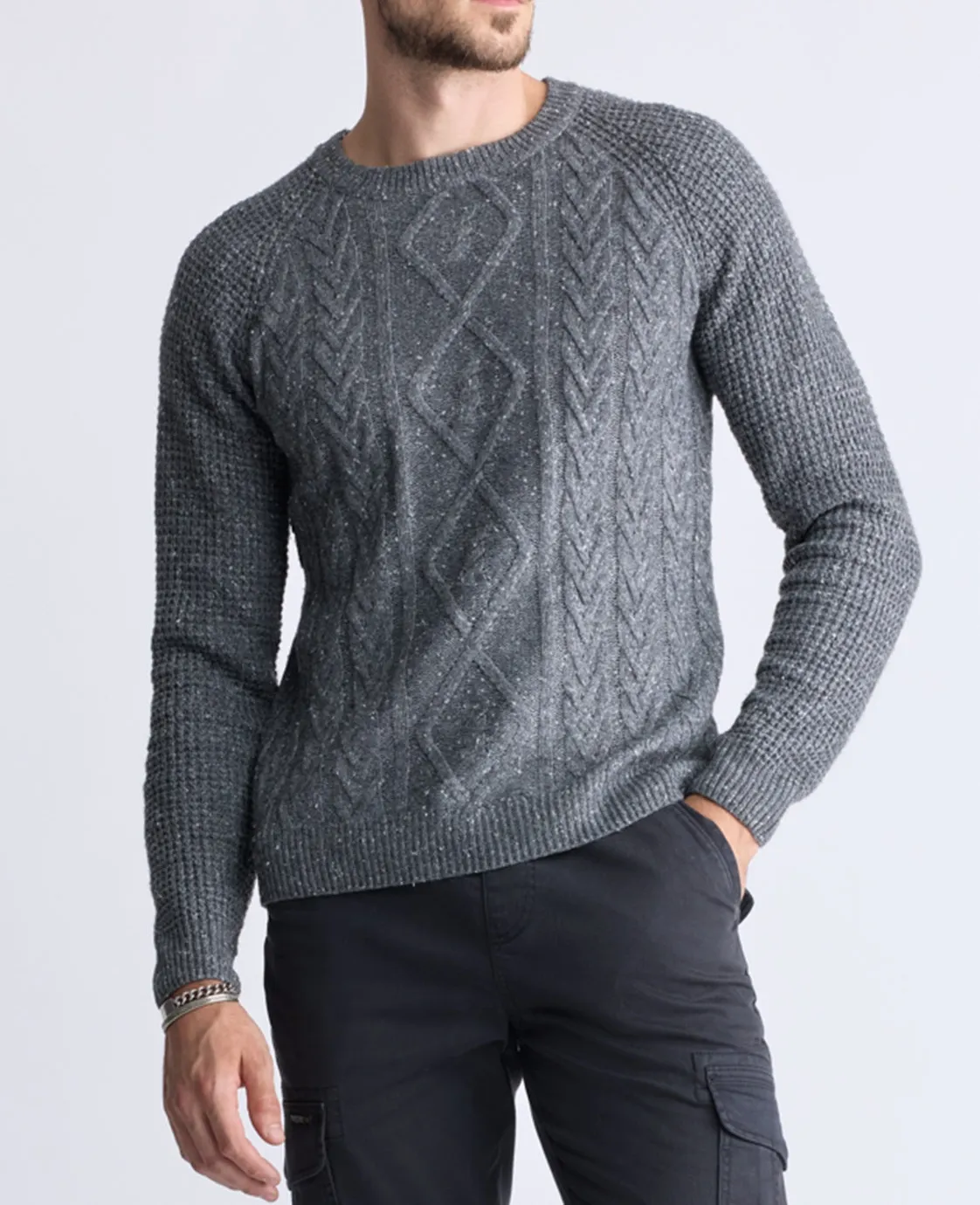
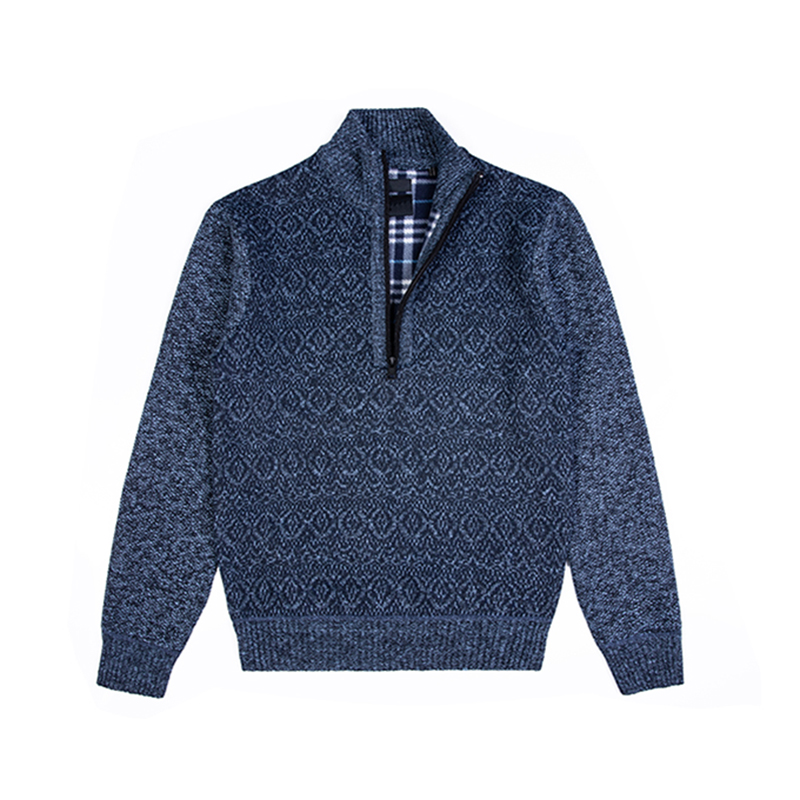
En jersey bordado has become a popular product category in both consumer and business apparel markets. From high-end brands that add hand-stitched patterns to mass producers that produce thousands of custom logo-embroidered pullovers, embroidery has the added effect of adding emotion, identity, and perceived craftsmanship to sweaters.
Unlike fabric that is flat or woven, sweaters have unique problems: stretch, texture, and structural loops affect the stability of the stitch, the alignment of the fabric, and the long-term durability of the fabric. Without the appropriate preparation and method, embroidery can adversely affect the fabric, cause puckering, or lead to a loss of shape following washes.
Understanding the proper way to embroider on a sweater is therefore crucial to both designers and other participants in the fabricating process. Sourcing managers, designers, and other individuals involved in the manufacturing process are all important.

Understanding Sweater Fabrics Before Embroidery
Before stitching is initiated, it’s essential to understand the composition of sweater fabric. Knit fabric’s behavior is different than woven fabric’s because they are formed by interlacing loops instead of straight fibers.
Common Sweater Fabric Types for Embroidery
| Tipo de tejido | Structure | Embroidery Considerations | Typical Use |
| Cotton Knit | Single or double jersey | Stable, easy to embroider | Casual sweaters |
| Wool Knit | Natural fiber loops | Requires a light stabilizer | Premium knitwear |
| Punto acrílico | Synthetic loop structure | Needs heat-safe threads | Fashion sweaters |
| Cashmere Knit | Fine, soft loops | Use minimal stitch density | Luxury sweaters |
| Polyester Knit | High stretch recovery | Requires a cut-away stabilizer | Sportswear sweaters |
Knit stability, yarn thickness, and elasticity directly influence how embroidery behaves. Industry studies show that stitch distortion increases dramatically when stabilizers are not properly matched to fabric stretch (Journal of Textile Science & Engineering).
Tools and Materials for Embroidering a Sweater
Professional outcomes are achieved using the appropriate tools. High-quality equipment has a lower incidence of defects and increases productivity.
Essential Purchases
Cropping device or magnetic device
Water-soluble or tearable stabilizer
Stitchless hemline for dresses and skirts.
75/11 or 80/12 size needles for embroidery.
Polyester or Rayon fabric with an embroidery design
Fabric-specific writing instrument or paper that transfers colors.
A steam iron and a pressing device
Why is it important to have stabilizers?
Stabilizers maintain the bond between the knits during the stitching process. Without them, the sweater would stretch past the needle’s reach, which would lead to puckering and misaligned patterns.
Corbman’s research on textiles is consistent with the selection of a stabilizer being the single most significant component of the performance of embroidery on knitted clothing.
Step-by-Step Guide: How to Embroider on a Sweater
Step 1: Pre-Wash and Prepare the Sweater
Always pre-wash the sweater using the same method recommended for the finished product. This prevents shrinkage after embroidery and ensures long-term dimensional stability.
Wash in cold water
Air dry flat
Lightly steam to remove wrinkles
This step aligns with ASTM D3882 fabric performance standards for dimensional stability.
Step 2: Choose and Digitize the Embroidery Design
Design complexity must match fabric capability. Sweaters work best with:
Medium stitch density
Satin stitches for lettering
Fill stitches for motifs
Limited small text
Digitizing software should reduce stitch count and adjust the underlay to prevent fabric distortion. According to The Embroidery Stitch Bible, underlay stitches improve thread coverage and stabilize loops in knit fabrics.
Step 3: Apply the Stabilizer Correctly
For professional embroidered sweater production:
Use a cut-away stabilizer for stretchy knits
Use a water-soluble topping on textured knits to prevent stitches from sinking into loops
Hoop the stabilizer and sweater together without stretching the fabric. The fabric should lie flat and relaxed.
Step 4: Mark the Embroidery Placement
Precision placement is essential for branding consistency.
Common placements include:
Left chest logo
Center front motif
Sleeve embroidery
Back neck branding
Measure from reference points such as shoulder seams and neckline. This ensures uniformity across production batches.
Step 5: Select the Right Needle and Thread
Ballpoint needles prevent yarn damage by sliding between knit loops instead of piercing them.
Polyester embroidery thread is preferred because it offers:
High tensile strength
Colorfastness
Wash durability
ISO 12945 abrasion tests show polyester threads maintain color and integrity longer than rayon in knit applications.
Step 6: Embroider the Sweater
Run a test sample before full production.
During embroidery:
Reduce machine speed to avoid distortion
Monitor tension settings
Check stitch formation every 500 stitches
This step is where craftsmanship and engineering meet.
Step 7: Finishing and Quality Control
After embroidery:
Remove excess stabilizer
Steam from the reverse side
Inspect for puckering, thread breaks, and misalignment
Quality control should follow ISO garment inspection standards to ensure consistency.

Hand Embroidery vs Machine Embroidery on Sweaters
| Aspecto | Hand Embroidery | Machine Embroidery |
| Velocidad de producción | Slow | High efficiency |
| Design Consistency | Variable | Highly consistent |
| Cost per Unit | Alta | Low at scale |
| Market Position | Luxury / Artisan | Commercial & OEM |
Both methods are valuable depending on brand positioning and order volume.
Common Problems and Professional Solutions
Embroidered sweaters combine knit engineering with precision embroidery, which creates unique technical challenges. Understanding common problems and how professional manufacturers solve them helps buyers ensure consistent quality, durability, and production efficiency.
- Fabric Distortion and Puckering
Problem:
Embroidery causes the sweater fabric to shrink, ripple, or pucker around the design, especially on fine-gauge knits and soft wool blends.
Professional Solutions:
Use appropriate stabilizers and backing materials matched to fabric weight
Apply pre-shrinking and steam setting before embroidery
Optimize stitch density and underlay structure
Use hoopless embroidery frames for delicate knitted panels
- Thread Breakage and Inconsistent Stitch Quality
Problem:
Frequent thread breaks lead to uneven embroidery, color inconsistencies, and production delays.
Professional Solutions:
Select high-tenacity, low-lint embroidery threads
Match needle size and point type to yarn structure
Fine-tune tension settings for knit fabrics
Implement real-time thread monitoring systems
- Poor Wash Durability
Problem:
Embroidery fades, frays, or detaches after repeated washing.
Professional Solutions:
Use colorfast, wash-tested embroidery threads
Reinforce with lock stitches and secure the underlay
Conduct ISO wash and abrasion testing
Apply post-embroidery heat setting and finishing
- Stiff or Uncomfortable Embroidery Areas
Problem:
Embroidery feels hard and uncomfortable, reducing wearer comfort.
Professional Solutions:
Optimize stitch density for softness
Use soft tear-away or water-soluble stabilizers
Adopt lightweight digital embroidery patterns
Integrate knit-in embroidery zones during flat knitting
- Misalignment and Placement Errors
Problem:
Logos or motifs appear off-center or inconsistent across batches.
Professional Solutions:
Apply laser positioning and digital placement systems
Use CAD alignment templates
Standardize panel embroidery before linking
Implement inline vision inspection systems
- Color Mismatch Between Yarn and Thread
Problem:
Embroidery colors do not match the sweater yarn, affecting brand consistency.
Professional Solutions:
Digital Pantone color matching systems
Spectrophotometer verification
Pre-production color strike-offs and approval samples
- Long Lead Times and High Sampling Costs
Problem:
Frequent design changes slow development and increase cost.
Professional Solutions:
Digital embroidery simulation and 3D sampling
Modular embroidery programs
Rapid prototype workflows
Sustainability in Embroidered Sweater Production
Sustainability has become a central consideration in modern embroidered sweater manufacturing, driven by both environmental responsibility and buyer expectations. Today’s brands and suppliers are rethinking materials, processes, and supply chains to reduce the ecological footprint while maintaining quality and design flexibility.
- Sustainable Material Choices
The foundation of a sustainable embroidered sweater starts with the yarn and embroidery thread:
Organic cotton and responsible wool (RWS-certified, mulesing-free) reduce pesticide use and improve animal welfare.
Recycled fibers, such as recycled polyester or recycled nylon, lower carbon emissions and divert waste from landfills.
Low-impact embroidery threads, including recycled polyester threads and OEKO-TEX® certified threads, ensure reduced chemical use and safer skin contact.
- Eco-Friendly Dyeing and Finishing
Traditional dyeing is one of the most polluting stages of textile production. Sustainable embroidery production focuses on:
Low-water or waterless dyeing technologies
Digital color matching to minimize trial dyeing and waste
AZO-free, heavy-metal-free dyes compliant with REACH and global regulations
These practices significantly cut water consumption and chemical discharge.
- Efficient Embroidery and Manufacturing Processes
Modern embroidery systems contribute to sustainability through:
Digital embroidery programming, which reduces sampling waste and improves first-pass accuracy
High-efficiency multi-head embroidery machines that lower energy use per garment
Lean production workflows that reduce rework, off-cuts, and defective pieces
This not only saves resources but also shortens lead times and improves consistency.
- Waste Reduction and Circular Design
Sustainable embroidered sweater production increasingly adopts circular principles:
Optimized pattern layout and embroidery placement to reduce fabric waste
Recyclable and biodegradable packaging
Design for durability, ensuring embroidery withstands washing and long-term wear
Take-back and recycling programs for end-of-life garments
Durable embroidery extends product lifespan, reducing overall environmental impact.
- Ethical and Transparent Supply Chains
Sustainability is not only environmental but also social:
Traceable yarn sourcing
Fair-labor certified factories
Third-party audits (BSCI, SEDEX, ISO, WRAP)
Carbon footprint reporting and reduction targets
These measures ensure embroidered sweaters meet global compliance standards while supporting responsible manufacturing.

FAQ: Jersey bordado
What is the best stabilizer for an embroidered sweater?
Cut-away stabilizer is the industry standard for knit sweaters because it prevents distortion and maintains long-term stitch integrity.
Can you embroider on wool and cashmere sweaters?
Yes, but stitch density must be reduced, and lightweight stabilizers should be used to preserve softness and drape.
How do you stop embroidery from puckering on a sweater?
Use a proper stabilizer, avoid stretching the fabric in the hoop, and optimize stitch density during digitizing.
Is machine embroidery better than hand embroidery for sweaters?
Machine embroidery is ideal for commercial production, while hand embroidery is best for luxury and limited editions.
How long does an embroidered sweater last?
With proper materials and technique, an embroidered sweater can maintain its appearance for 50+ wash cycles, according to textile durability studies.
Conclusión
The learning of how to embroider on a sweater is not simply a talented artistry: it’s also a technologically-based process that combines the science of textile design, engineering, and science. By following a pre-designed, standards-based path of action—from the preparation of fabric to the selection of a stabilizer to stitching and quality control—brands and manufacturers can produce apparel that meets global standards and is aesthetically pleasing.
As the demand for personalization, craftsmanship, and durability continues to increase, embroidered sweaters will still be a significant part of the manufacturing of modern apparel. Learning the process guarantees long-term quality, brand reputation, and financial success.

 Spanish
  English
  French
  Chinese
  German
  Japanese
  Portuguese
  Russian