 Skip to content


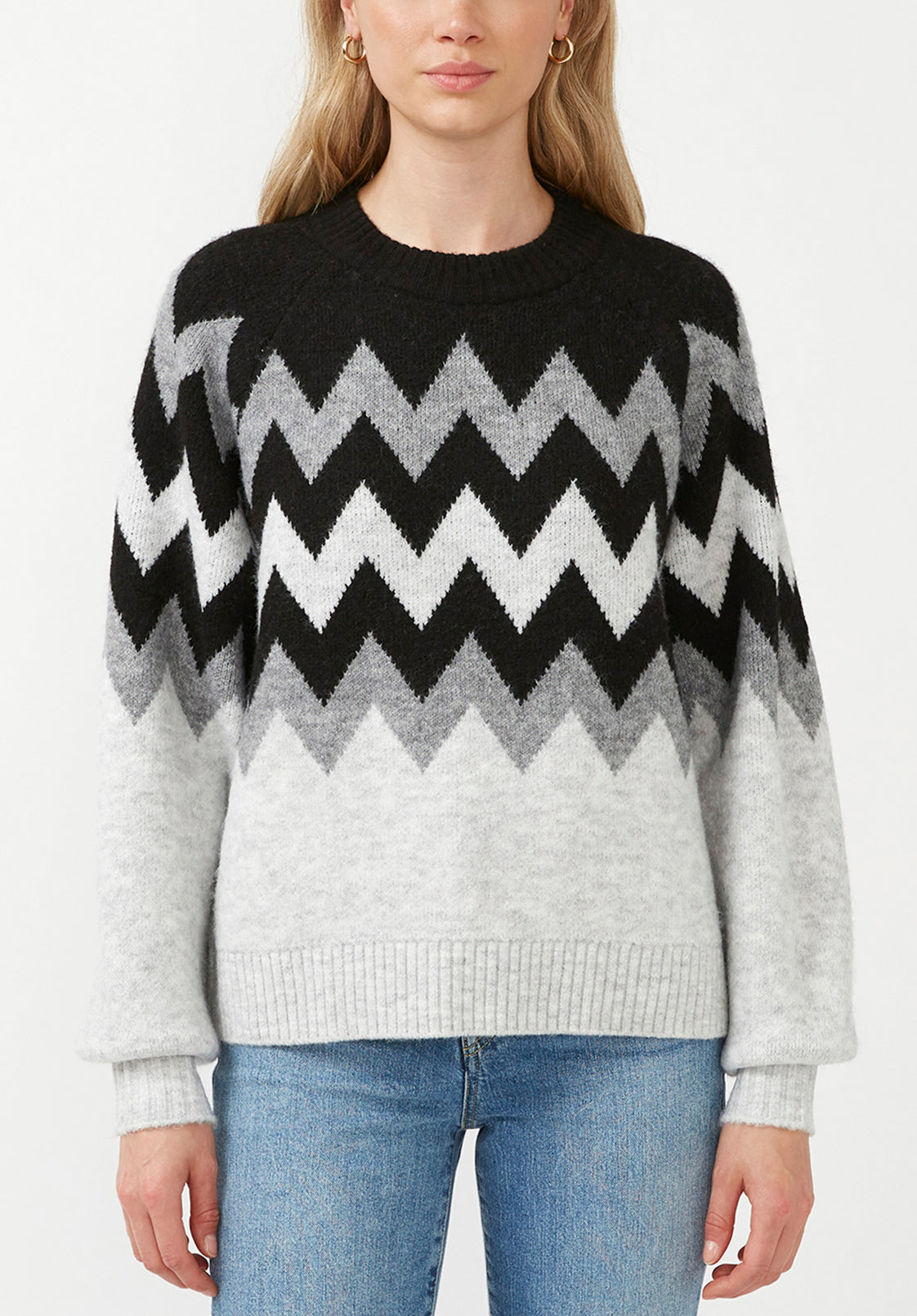
The global fashion landscape is undergoing a seismic shift. In recent years, the Western market—spanning North America, Europe, and Australia—has seen a dramatic surge in demand for sustainable apparel. At the heart of this movement is the rapid proliferation of eco-conscious knitwear. As a leading B2B knitwear manufacturer, Honry Sweater has observed firsthand how Women’s Sweaters crafted from recycled fibers have moved from a niche ethical choice to a mainstream commercial powerhouse.
Western consumers are no longer just looking for style; they are scrutinizing the supply chain. This shift has forced global brands to seek manufacturing partners who can provide precision, efficiency, and scale in sustainable production. At Honry Sweater, we combine decades of expertise with advanced technology to ensure high-quality knitwear production. Our self-invested factory, equipped with cutting-edge machinery, enables us to deliver precision, efficiency, and innovation at every stage, meeting the growing demand for sustainable Women’s Sweaters.
The Environmental Impact of Traditional Knitwear
To understand why recycled yarn is dominating the market, we must first examine the heavy toll of traditional textile production. The conventional manufacturing of Women’s Sweaters has historically been a resource-intensive process. For example, traditional cotton cultivation requires vast amounts of water and pesticides, while synthetic fibers like virgin polyester are derived from non-renewable petroleum.
The carbon footprint of shipping raw materials across the globe, combined with the chemical dyes used in traditional knitting, contributes significantly to environmental degradation. Furthermore, the “fast fashion” cycle has led to an immense amount of textile waste, with millions of tons of garments ending up in landfills annually. Brands in the Western market are under immense pressure from both regulators and consumers to mitigate these impacts. This is where the transition to a recycled cotton-poly blend becomes a strategic necessity. By repurposing existing materials, manufacturers can significantly reduce energy consumption and greenhouse gas emissions, offering a more responsible way to produce the Women’s Sweaters that modern consumers demand.
How Recycled Yarn is Made
The transformation of waste into high-end fashion is a feat of modern textile engineering. The process of creating recycled yarn for Women’s Sweaters generally follows two paths: mechanical recycling and chemical recycling.
-
Collection and Sorting: The process begins with collecting post-industrial waste (factory scraps) and post-consumer waste (discarded clothing). These are sorted by color and material composition to ensure the final yarn meets strict quality standards.
-
Shredding and De-fibration: For a recycled cotton-poly blend, the cotton garments are mechanically shredded back into raw fiber form. Meanwhile, recycled polyester is often sourced from post-consumer PET bottles, which are cleaned, melted, and extruded into new filaments.
-
Blending and Spinning: To ensure exceptional durability and a premium hand-feel, these recycled fibers are often blended. For instance, mixing recycled cotton with recycled polyester enhances the structural integrity of the yarn, making it suitable for high-performance knitting machines.
-
Precision Knitting: At Honry Sweater, we take these sustainable yarns and utilize automated knitting technology to create Women’s Sweaters with minimal waste. Our meticulous craftsmanship ensures that the recycled nature of the yarn does not compromise the luxury feel of the final product.
Why Recycled Yarn is Ideal for Sweaters “Sweater Yarn Manufacturers”
As experienced sweater yarn manufacturers, we recognize that the success of a garment depends on the harmony between fiber and stitch. Recycled yarns have evolved to offer technical benefits that rival, and sometimes exceed, virgin materials.
Softness and Breathability
One of the common misconceptions about recycled materials is that they are coarse. On the contrary, a high-quality recycled cotton-poly blend offers remarkable softness and breathability. This makes it an ideal choice for Women’s Sweaters intended for transitional seasons or layering. The cotton provides natural comfort against the skin, while the polyester helps with moisture management.
Exceptional Durability and Resilience
In the B2B sector, durability is a non-negotiable metric. Recycled yarns are engineered for resilience against wear and tear. This is particularly important for the Western market, where consumers are increasingly looking for “investment pieces” that last longer than a single season. The reinforced nature of recycled blends ensures that the Women’s Sweaters maintain their shape and resist pilling over time.
Aesthetic Versatility and Texture
The aesthetic appeal of recycled yarn is a major driver of its dominance. These yarns allow for incredible aesthetic versatility, enabling designers to create everything from sleek, minimalist pullovers to complex chunky knit textures. The slight color variations sometimes found in recycled fibers can even add a unique, “organic” depth to the fabric that virgin yarns lack, appealing to the modern preference for authenticity in fashion.
The Circular Fashion Movement and Knitwear
The dominance of sustainable Women’s Sweaters is deeply intertwined with the “Circular Fashion Movement.” This economic model aims to decouple growth from the consumption of finite resources. In a circular system, garments are designed to be reused, remade, and eventually recycled back into the production cycle.
Western brands are adopting circularity to future-proof their businesses. By partnering with a manufacturer like Honry Sweater, which adheres to strict quality standards and sustainable practices, brands can ensure their collections fit into this new paradigm. Our ability to deliver precision and innovation allows us to work with complex sustainable fibers without sacrificing the scale needed for global distribution.
Knitwear is uniquely suited for circularity. Unlike woven fabrics, knitted panels can often be produced with “zero-waste” techniques, where each component is knitted to the exact shape required. When this efficiency is combined with recycled yarns, the environmental footprint of Women’s Sweaters is reduced to its absolute minimum. This alignment with global sustainability goals is why the Western market has embraced recycled knitwear with such enthusiasm.
Conclusion: The Future of Knitwear is Sustainable
The rise of recycled yarn in the Western market is not a passing trend; it is a fundamental restructuring of the textile industry. Consumers have spoken, and they prefer Women’s Sweaters that represent a commitment to the planet without compromising on softness and breathability or exceptional durability.
For global brands, the challenge lies in finding a partner who can bridge the gap between sustainable ideals and industrial reality. At Honry Sweater, we provide the solution. Our self-invested factory and cutting-edge machinery allow us to handle the complexities of a recycled cotton-poly blend while maintaining the resilience against wear and tear that premium labels expect.
Whether it is creating delicate fine-gauge pieces or bold chunky knit textures, our commitment to consistency and timely delivery remains unwavering. We leverage automated knitting and meticulous craftsmanship to provide global brands with premium knitwear solutions tailored to their needs. As we look toward the future, it is clear that the brands that succeed will be those that embrace the aesthetic versatility of sustainable materials and the precision of high-tech manufacturing. The era of the recycled sweater is here, and it is here to stay.

 English
  French
  Chinese
  German
  Japanese
  Spanish
  Portuguese
  Russian