 Skip to content

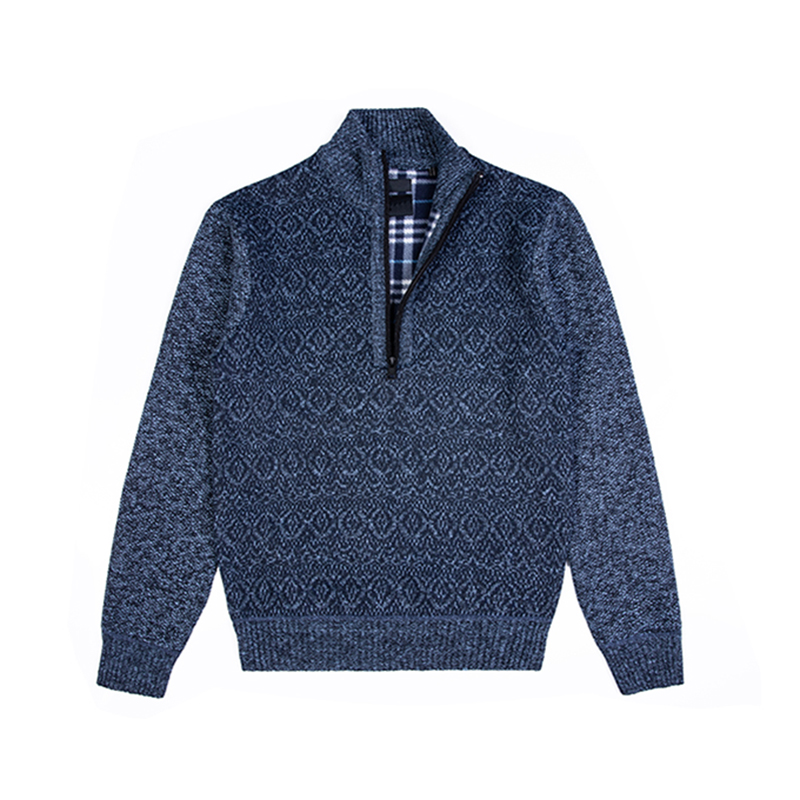
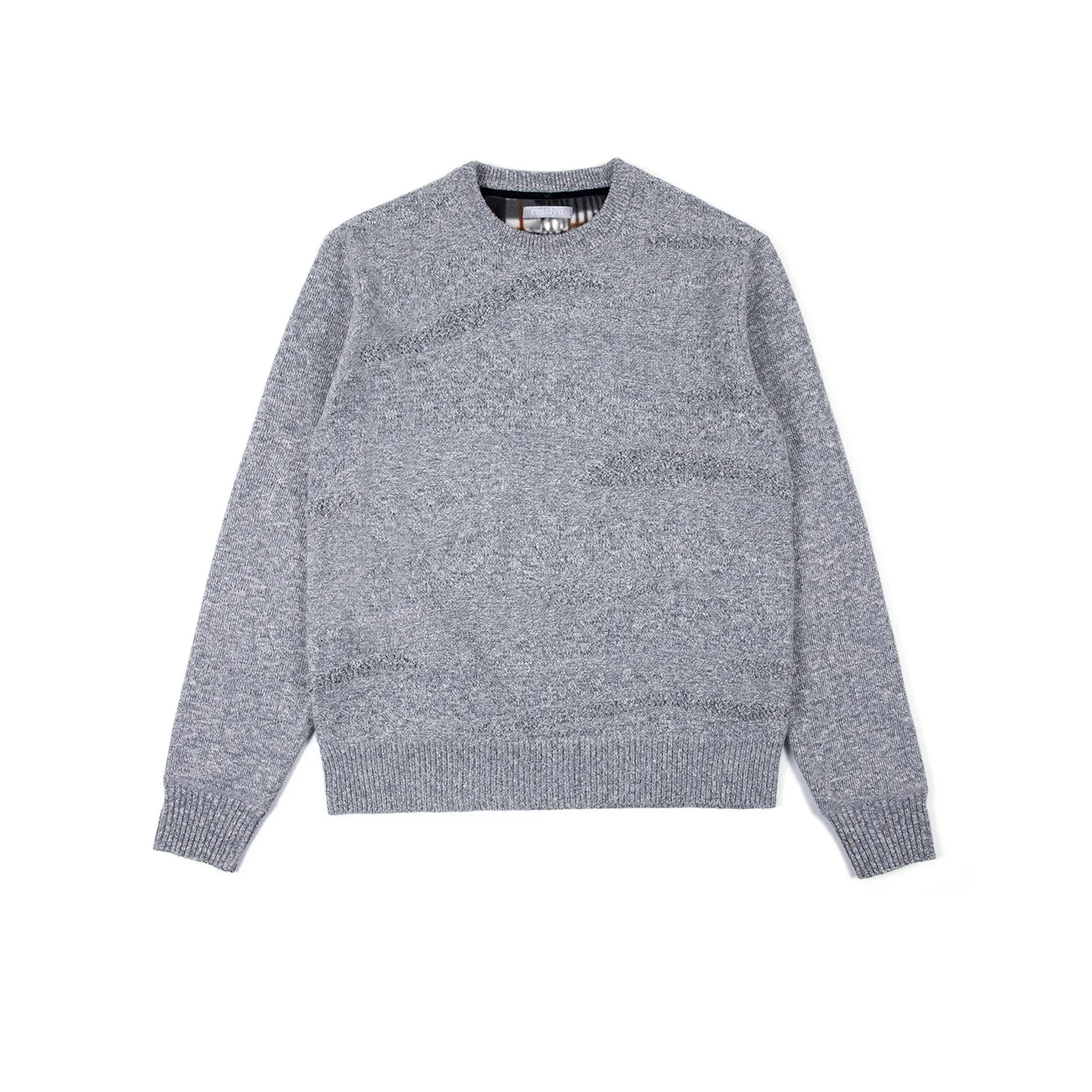
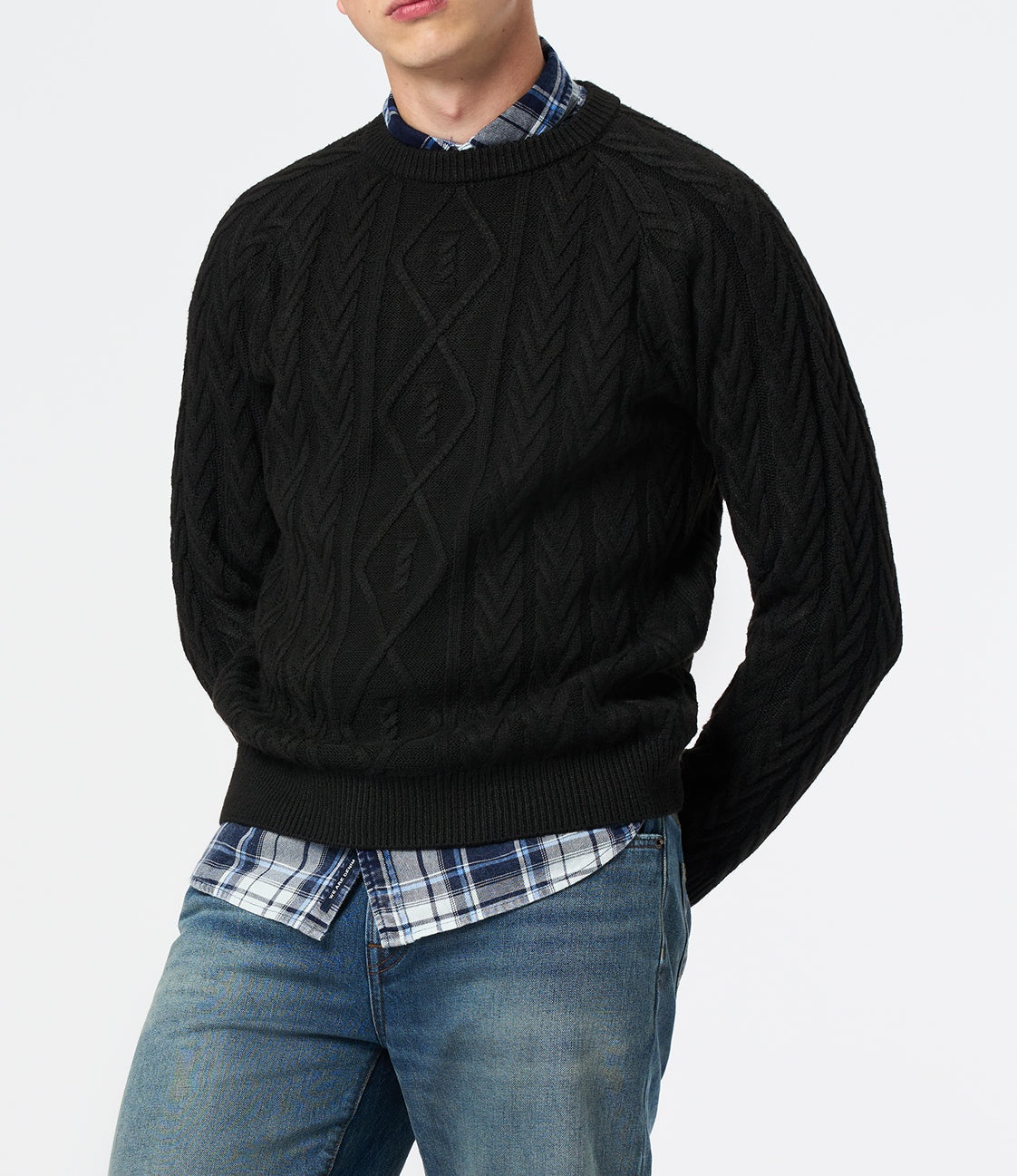
The Australian climate—spanning cold southern winters and temperate northern transitions—requires specific thermoregulating properties in men’s apparel that standard synthetic blends cannot provide. Retail buyers and brand sourcing managers face significant risks when scaling premium merino wool production. You must navigate quality consistency, unit cost economics, supplier compliance standards, and growing consumer skepticism toward heavily diluted wool blends. Selecting an OEM/ODM manufacturing partner demands a strict technical evaluation of machine infrastructure and yarn processing capabilities. You must verify anti-shrinkage treatments to guarantee garment longevity. Relying on verified ethical compliance ensures high sell-through rates and brand protection in a competitive market. Moving away from fragmented supply chains toward consolidated manufacturing models removes operational friction. It protects your capital investment while delivering authentic, high-performance garments directly to the Australian consumer.
- Machine Capability Determines Unit Quality: Superior output requires facilities equipped with advanced Shima-Seiki machinery capable of executing complex Ottoman, Flat Back, and Seam-free knitting structures.
- Consumer-Driven Material Specs: Modern buyers demand “workday-to-weekend” versatility and easy-care maintenance; manufacturers must possess the capability to process ultrafine micron wools (e.g., 19.5μm) with Total Easy Care (TEC) washability treatments.
- Supply Chain Consolidation Reduces TCO: Working directly with manufacturers offering end-to-end oversight (from design/yarn selection to shipment) structurally lowers production costs and accelerates time-to-market.
- Verified Compliance is Mandatory: Risk mitigation in the Australian market dictates absolute reliance on internationally audited facilities holding current OEKOTEX-100, BSCI, WRAP, ISO9001, and traceable yarn certifications (like Woolmark or RWS).
- Material Scalability Limits Bottlenecks: Profitable production requires suppliers with reliable access to varied raw material tiers (including high-grade Merino, specialized polyester, acrylic, and custom melange blends) to execute on varying demographic target price points.
Performance Requirements for the Australian Men’s Sweater Segment
Problem Framing & Success Criteria
Australian men experience rapid daily temperature shifts. They transition quickly from air-conditioned corporate offices to unpredictable coastal weather. A premium Men’s Sweater must manage these constant environmental variations effectively. Moisture regulation serves as a baseline requirement for commercial success. Standard synthetic garments trap heat and retain sweat, creating an uncomfortable microclimate against the skin. Merino wool solves this physiological problem through natural breathability. It absorbs up to thirty percent of its weight in moisture vapor before feeling wet. Buyers will aggressively reject garments exhibiting premature fabric pilling or stretching. We evaluate sourcing success through sustained physical performance across these diverse climates. Structural integrity must hold firm after multiple domestic washes.
Micron Specifications & Structural Trade-offs
Fine-gauge merino wool introduces a strict longevity versus softness trade-off. Ultrafine next-to-skin softness directly drives initial retail conversions. Consumers judge garments instantly by handling the fabric on the showroom floor. The commercial sweet spot falls exactly between 19.5 and 21.5 microns. This specific range delivers premium comfort while maintaining necessary fiber strength. Dropping below 18 microns increases luxury appeal but drastically reduces abrasion resistance. Factories must employ high-twist spinning techniques here to maintain durability. Superior spinning prevents the premature pilling often seen in lower-grade fast fashion garments. You secure repeat business by balancing low micron counts against high structural resilience.
Workday-to-Weekend Versatility
Modern collections require distinct, everyday staple silhouettes. Brands must also develop active ranges and holiday-driven seasonal pieces concurrently. Varying machine gauges facilitate this comprehensive product offering efficiently. A 12GG (gauge) setup produces lightweight corporate layering garments. These fine knits sit perfectly under tailored suit jackets without adding bulk. Conversely, a 7GG configuration handles chunky weekend knitwear effortlessly. Lower gauges utilize thicker yarns suited for outdoor exposure. Offering seamless transitions across distinct lifestyle segments maximizes revenue. This strategic flexibility captures a wider demographic within the exact same brand ecosystem.
The Easy Care Imperative
Consumers explicitly demand machine-washable wool products today. Sourcing partners must verify their Total Easy Care (TEC) chemical mastery. Untreated wool fibers possess microscopic overlapping scales. These scales interlock tightly under washing machine agitation and heat, causing severe shrinkage. The TEC process utilizes a precise chlorine-Hercosett treatment prior to knitting. It smooths the fiber scales and applies a microscopic protective resin. Proper TEC application completely prevents felting and post-wash deformation. Modern men rarely tolerate dry-clean-only maintenance for daily wear items. Guaranteeing machine washability eliminates a major consumer purchase barrier.
Assessing Core Knitwear Manufacturing Technology and Yield
Hardware Infrastructure
High-grade knitting machinery dictates ultimate product quality and scalability. Manufacturers must operate advanced technological infrastructure to remain competitive globally. Shima-Seiki machine lines represent the manufacturing gold standard currently. They ensure absolute precision execution, reducing yarn waste and rapid turnaround times. Outdated equipment inevitably leads to high defect rates and frustrating sizing inconsistencies. Computerized Shima-Seiki systems allow for rapid digital prototyping. Engineers input CAD designs directly into the knitting beds for flawless execution. You cannot achieve premium retail margins using legacy manufacturing hardware.
Advanced Structural Techniques
You must evaluate a manufacturer’s capacity for complex structural variations. True technical capability extends far beyond basic jersey knits. Buyers expect complex textures and refined silhouettes at premium retail price points. You should evaluate partners against these specific structural benchmarks strictly.
- Seam-free Knitting: This WHOLEGARMENT technique removes physical friction points completely. It significantly enhances garment drape for modern tailored fits. Eliminating bulky cut-and-sew joints boosts premium brand positioning instantly. It also reduces material waste and improves structural longevity under stress.
- Ottoman Knit & Flat Back Knit: These structures build highly durable heavy-gauge products. They suit the cooler environments of Victoria and Tasmania perfectly. Ottoman knits feature raised horizontal ridges for visual depth. Flat back structures provide density that blocks wind chill while retaining breathability.
- Jacquard Knitting: Sophisticated pattern execution requires specialized jacquard needle programming. Manufacturers must weave complex visuals without compromising material integrity. Poor jacquard execution results in loose internal threads and major snagging risks.
Decorative Value-Add
Premium brands often integrate printed and embroidered elements into wool. Modern execution directly impacts perceived retail value on the shop floor. Sourcing partners must control hoop tension carefully on flexible wool bases. Incorrect tension causes fabric puckering and ruins the garment silhouette permanently. Manufacturers must utilize specialized backings and stabilizers to support dense embroidery stitches. Successful integration enables highly profitable limited capsule collections. Custom branding applications differentiate your products from mass-market competitors effectively.
Material Sourcing, Provenance, and Supply Chain Verification
Component Integration vs. Multi-Vendor Sourcing
Multi-vendor raw material sourcing introduces massive delivery risks. Fragmented supply chains suffer from compounded delays during peak production seasons. A delay from a third-party yarn dyer halts the entire knitting schedule. Unified facility supply provides far greater operational stability. Whole supply chain ownership isolates your brand from upstream logistical shocks. Direct control ensures strict yarn authenticity across every single production run. You mitigate missed retail delivery windows by consolidating procurement internally.
Battling Blend Fatigue
Fashion forums frequently highlight consumer skepticism toward deceptive merino labeling. Low-percentage wool blends often face severe market backlash online. Shoppers actively read composition tags to verify material claims. Factories must provide concrete, traceable sourcing documentation immediately. Woolmark certification validates premium marketing claims securely. The Responsible Wool Standard (RWS) offers similar verifiable market confidence. Consumers willingly pay higher premiums when brands prove material authenticity objectively. Opaque sourcing practices destroy brand equity rapidly in the Australian market.
Material Matrix and Cost Economics
Profitable retail tiering requires diverse yarn blending capabilities. You must target different price segments using varied material matrices carefully. Factories must execute pure wool and complex synthetic blends equally well.
| Material Composition | Primary Retail Application | Durability Factors | Price Point Tier |
|---|---|---|---|
| 100% Pure Merino Wool (19.5μm) | Premium Corporate / Heritage Styles | High comfort, moderate pilling resistance | Premium |
| Wool / Polyester Blend | Active / Utility Wear | High tensile strength, abrasion resistant | Mid-Market |
| Wool / Acrylic Blend | Fast Fashion / Weekend Casual | Shape retention, highly colorfast | Entry-Level |
| Custom Melange / Cotton Blend | Transitional Season Layering | Breathable, excellent drape | Mid to Premium |
Longevity Benchmark
Supplier longevity provides empirical data on financial and operational stability. Factory operations exceeding three decades demonstrate massive market resilience. Honry Sweater, established in 1991, exemplifies this deep technical expertise. Long-standing supplier networks protect your production during global logistics crises. Decades of manufacturing experience translate into refined quality control systems. Fly-by-night operations simply cannot match the consistency of established heritage manufacturers. Partnering with tenured factories eliminates trial-and-error development phases entirely.
Quantitative Supplier Risk Mitigation: Audits & Certifications
Sourcing teams must demand specific audit standards before finalizing purchase orders. Evaluating compliance benchmarks eliminates downstream brand liabilities completely. The Australian Border Force punishes non-compliant importers severely. You must implement a rigorous verification protocol.
- Request all current certification documents directly from the factory compliance officer.
- Cross-reference the provided certification numbers with the issuing organization’s public database.
- Demand recent physical audit reports detailing specific factory floor conditions.
- Review internal quality manual documentation to verify ongoing compliance maintenance.
- Incorporate specific certification requirements directly into your vendor manufacturing agreements.
Environmental and Chemical Risk
Australia enforces incredibly strict chemical regulatory environments for apparel. OEKOTEX-100 certification legally protects importers from devastating border seizures. It prevents hazardous substances from entering the retail stream entirely. Independent laboratories test fabrics for heavy metals, formaldehyde, and banned azo dyes. Chemical safety guarantees protect sensitive skin from severe allergic reactions. You must secure active OEKOTEX-100 certificates before shipping bulk quantities.
Quality Consistency Rate
Consistent sizing remains a massive challenge in global knitwear manufacturing. ISO9001 certification indicates highly mature internal Quality Management Systems (QMS). This robust operational framework sharply reduces costly defect margins. Consistent garment fits reduce ecommerce return rates significantly. Factories holding ISO9001 document every process step rigorously. You gain complete visibility into their quality control mechanisms.
Social and Labor Liabilities
Brands face severe public relations risks regarding unmonitored sweatshop labor. Facilities must hold dual validation via BSCI and WRAP standards. These comprehensive audits neutralize social compliance risks immediately. Auditors verify fair wage distribution, safe working conditions, and strict working hour limits. Consumers actively boycott brands linked to unethical labor practices. Verified ethical manufacturing protects your brand reputation proactively.
Ethical Sourcing
Modern Australian consumers prioritize sustainable land management heavily. The Responsible Wool Standard (RWS) verification ensures strict animal welfare. It guarantees farmers practice responsible land stewardship and ethical shearing practices. Ethical transparency directly drives brand loyalty and sales growth. You align with modern consumer values by mandating RWS certification.
Service Integration (OEM & ODM) and TCO Analysis
Service Tier Alignment
Different business models influence unit economics per SKU significantly. OEM (Original Equipment Manufacturer) models require strict manufacturing adherence to technical packs. Factories must execute designs from major Australian brands perfectly. They must not introduce unapproved material deviations into the production line. This ensures strict sizing consistency across comprehensive retail ranges. ODM (Original Design Manufacturer) models lean on manufacturer-side development heavily. Facilities supply rapid proto-designs utilizing native production integration. This model captures fast-moving seasonal trends quickly. Brands can test new concepts without hiring internal knitwear designers.
Cost Structure Advantages
Direct-to-Factory models strip away unnecessary third-party agent margins entirely. You retain more operational capital for targeted marketing and retail expansion. Consolidated manufacturing simultaneously matches global diversified premium standards seamlessly. You achieve better unit pricing without sacrificing any structural quality. Sourcing agents often obscure factory locations and limit direct communication channels. Direct integration fosters transparent dialogue and much faster problem resolution. Efficient communication cycles reduce sampling lead times remarkably.
Conclusion
Expanding a high-yield men’s knitwear collection necessitates partnering with heavily vetted manufacturers. You must demand advanced structural capabilities alongside rigorous international compliance frameworks. Limit your supplier evaluations to those possessing an internally unified supply chain. Operational stability directly dictates your final commercial profit margins.
- Audit your current supply chain for verifiable yarn traceability and active OEKOTEX-100 chemical compliance immediately.
- Initiate technical sampling evaluations focused strictly on high-gauge Shima-Seiki machinery output.
- Request customized OEM technical spec proposals directly from vertically integrated partners like Honry Sweater.
- Verify Total Easy Care (TEC) treatment capabilities on all proposed merino yarn bases before finalizing any production contracts.
FAQ
Q: What factors determine the sourcing cost for bulk Merino wool knitwear?
A: Sourcing costs map directly to machine run-time on Shima-Seiki equipment. Material blending percentages and yarn micron ratings influence baseline pricing heavily. Stitch complexity, such as Jacquard versus basic structures, alters production speed. Working with a whole-chain ownership facility reduces costs by eliminating third-party agent margins entirely.
Q: What micron count is ideal for the Australian Men’s Sweater market?
A: The optimal balance falls precisely between the 19.5μm and 21.5μm range. This specification delivers crucial next-to-skin softness and completely prevents the traditional itchy feel. It maintains excellent structural durability against premature pilling during heavy seasonal wear.
Q: How do factories achieve machine-washable Merino wool?
A: Manufacturers utilize a Total Easy Care (TEC) treatment process during the initial yarn stage. This chemical application successfully removes microscopic scales from individual wool fibers. Removing these scales completely prevents felting and severe shrinkage during standard domestic washing cycles.
Q: What makes seam-free knitting essential for premium men’s sweaters?
A: Seam-free technology eliminates standard cut-and-sew joints entirely. This drastically reduces bulky seams and improves overall garment drape. It extends physical longevity by removing common friction points. This specific construction matches the current high-end styling standards demanded by Australian retail consumers.
Q: Which ethical manufacturing certifications should Australian brands require?
A: Brands must demand a comprehensive suite of verified international audits. Essential certifications include WRAP and BSCI for strict social and labor compliance. Factories need ISO9001 for quality management systems and OEKOTEX-100 for chemical safety. Demand RWS or Woolmark for verifiable yarn traceability.
Q: What is the difference between Flat Back Knit and Ottoman Knit?
A: Flat Back structures feature a noticeably smooth backing property. Ottoman knits display distinct ribbed horizontal ridges across the outer fabric surface. Factories apply these different structures based on specific climate targeting and the desired visual weight of the final garment.
Q: How does a factory’s whole supply chain ownership benefit brand lead times?
A: Whole supply chain ownership removes third-party yarn agents completely. It eliminates external dyeing delays and downstream logistics bottlenecks. This vertical integration guarantees much shorter design-to-shipment lifecycles. Brands secure faster season-turnarounds and react to market trends swiftly.
 English
  French
  Chinese
  German
  Japanese
  Spanish
  Portuguese
  Russian