 Skip to content


Abstract
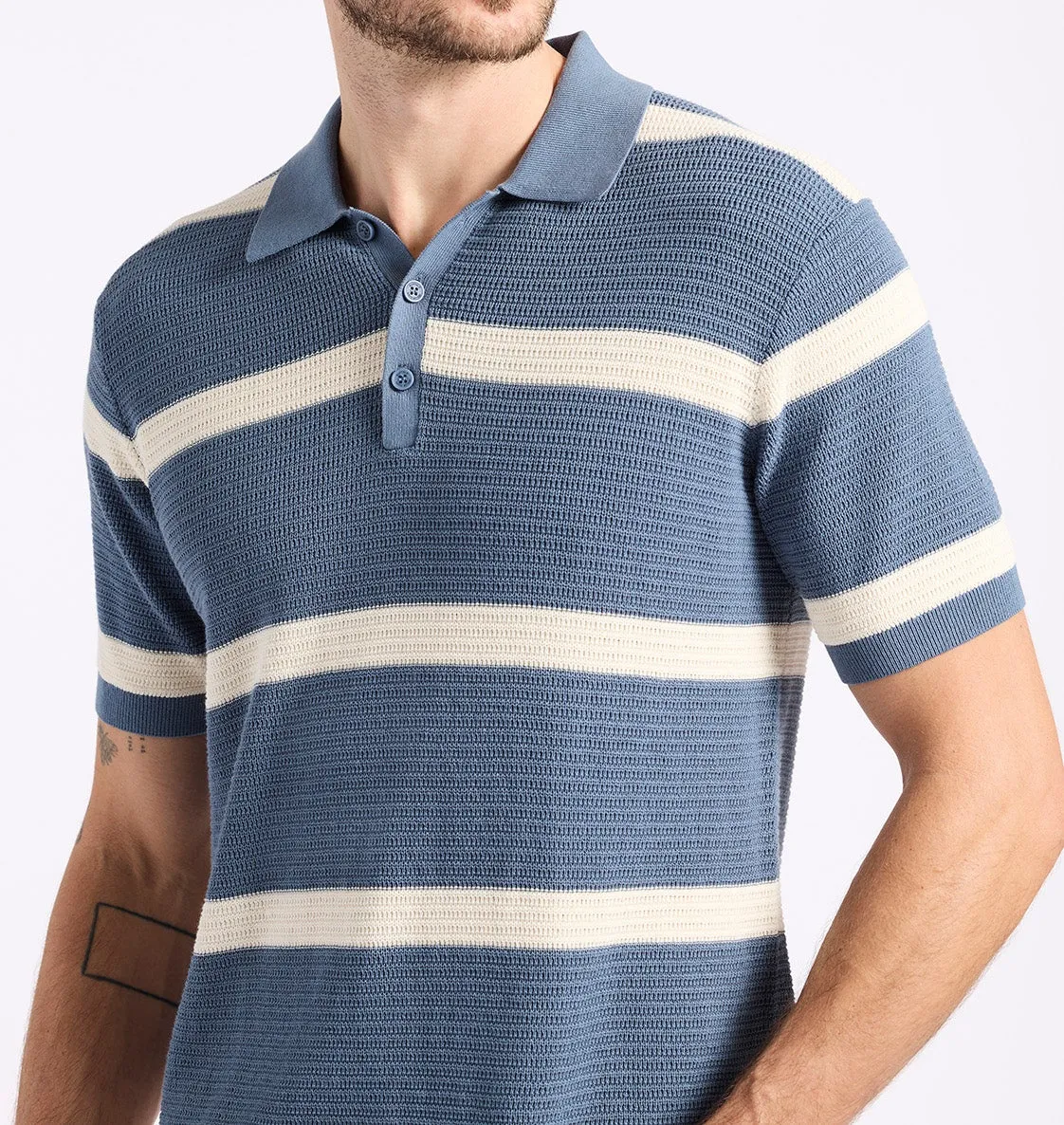
Current sweater trends in the men’s, women’s, and children’s categories are defined by relaxed silhouettes, expressive textures, functional layering, and personalisation-driven design. According to industry fashion research, oversized fits, textured knitwear, and statement details, such as prints, embroidery, and hybrid silhouettes, are dominating global markets. This reflects a shift from purely functional knitwear to fashion-led garments.
Meanwhile, emerging styles such as sleeveless sweaters and lightweight transitional knits are gaining popularity in 2026 thanks to their versatility and layering potential across seasons.
In short, today’s trending sweater styles combine comfort, structure, and visual identity, moving beyond basics to become expressive, multifunctional fashion pieces for all age groups.
Introduction: Why Sweater Trends Have Shifted in 2026
The global knitwear market has undergone a structural transformation. Sweaters are no longer just seasonal winter essentials; they have evolved into year-round fashion statements. This shift is driven by three major forces:
1) The rise of comfort-driven fashion following post-pandemic lifestyle changes.
2) Increased demand for versatile layering pieces.
3) The influence of visual-first platforms such as TikTok and Instagram.
As a result, the design language of the men’s, women’s, and children’s sweater categories is converging, while the aesthetic direction of each category remains distinct.
Manufacturers such as Pull Honry are adapting to this shift by offering flexible production lines that support customisation, fast fashion cycles, and high-definition textile printing — critical for meeting modern market demand.
Key Global Sweater Trends in 2026
Before breaking down each segment, it is essential to understand the overarching themes that are shaping sweater design around the world.
- Relaxed and oversized silhouettes
Oversized sweaters with dropped shoulders, loose fits, and soft draping are popular across genders and age groups. These silhouettes strike a balance between comfort and a contemporary, effortless aesthetic.
- Textured, driven knitwear
Texture has become a primary design language.
Examples include cable knits, crochet elements, ribbed structures, and mixed yarn finishes. These details elevate sweaters from basics to statement pieces.
- Personalisation and graphic expression
Printed sweaters, embroidered motifs, and bold graphics are becoming increasingly popular, particularly among younger consumers.
- Transitional and layering styles
Lightweight knits and sleeveless jumpers are trending due to their versatility.
Trending Men’s Sweater Styles
Les pull-over pour hommes of 2026 is characterised by a balance between structure and a relaxed aesthetic.
- Structured minimalist sweaters (also known as ‘quiet luxury’)
Minimalist sweaters in neutral tones, such as beige, charcoal, and navy, are becoming increasingly popular. They emphasise:
- Clean lines
- Premium materials
- Subtle detailing
This reflects the broader ‘quiet luxury’ movement in fashion.
- Oversized and drop-shoulder sweaters
Streetwear continues to influence men’s sweater design, with relaxed fits and oversized silhouettes becoming mainstream.
Key features include:
- Wide sleeves
- Loose body structure
- Washed or vintage finishes
- Cardigans as core pieces
Cardigans have transitioned from secondary garments to primary styling pieces.
Popular variations include:
- Zip-up cardigans
- Baseball collar cardigans
- V-neck classic cardigans
- Knitted T-shirts and hybrid sweaters
The distinction between sweaters and T-shirts is becoming increasingly blurred, with fine-gauge knit tees establishing themselves as a wardrobe staple.

Trending Women’s Sweater Styles
Women’s sweaters offer a greater sense of expression, combining fashion-forward designs with comfort.
-
Statement and printed sweaters
Printed sweaters are one of the fastest-growing segments, driven by:
- Digital textile printing
- Social media visibility
- Demand for individuality
-
Textured and artisan knitwear
Crochet, embroidery, and handcrafted details are major trends.
These elements align with consumer demand for:
- Authenticity
- Artisanat
- Durabilité
-
Sweater dresses and knit sets
Sweaters are no longer standalone items, but are now part of coordinated outfits. Examples include:
- Knit two-piece sets
- Sweater dresses
- Matching tops and bottoms
-
Sleeveless and lightweight sweaters
These are gaining popularity for transitional seasons and for their versatility in layering.

Trending Children’s Sweater Styles
The trends in children’s sweaters are driven by comfort, durability, and creativity.
-
Playful graphics and patterns
Children’s sweaters feature:
- Cartoon motifs
- Bright colours
- Interactive designs
-
Functional oversized fit
Parents prefer slightly oversized sweaters for a longer lifespan and greater comfort.
This is also evident in real-world crafting communities where oversized designs extend the lifespan of garments.
-
Soft and sustainable materials
Materials such as organic cotton and eco-friendly blends are becoming the norm.

Comparative Analysis of Sweater Trends
Table 1: Men’s vs Women’s vs Children’s Sweater Trends
| Category | Key Trend | Design Focus | Consumer Priority |
| Chandail pour hommes | Minimalist + oversized | Structure & comfort | Versatility |
| Pull pour femmes | Expressive & textured | Style & individuality | Aesthetics |
| Children’s Sweater | Playful & practical | Comfort & durability | Functionality |
Key Design Elements Driving Sweater Trends
Table 2: Core Design Features in 2026 Sweaters
| Fonctionnalité | Description | Impact |
| Oversized Fit | Loose, relaxed silhouette | Comfort + modern look |
| Texture | Crochet, ribbing, cables | Visual depth |
| Prints | Digital or graphic designs | Personal expression |
| Lightweight Knits | Fine yarn construction | Seasonal flexibility |
| Hybrid Styles | Sweater + T-shirt crossover | Versatility |
Why These Trends Matter for B2B Buyers?
Understanding sweater trends is crucial for:
- Product development
Aligning with current fashion trends can increase sell-through rates.
- Inventory planning
Trend-driven products reduce the risk of overstocking.
- Market positioning
The premium versus fast fashion segmentation depends on design complexity and material quality.
Manufacturers such as Honry Sweater provide scalable solutions for global buyers, offering:
- OEM/ODM services
- Custom print development
- Flexible MOQ production
Future Outlook: What Comes Next in Sweater Fashion
The jumper category is entering a phase of hybridisation, personalisation, and material innovation. Sweaters are no longer just seasonal basics; they are becoming year-round, multifunctional garments shaped by lifestyle shifts, sustainability demands, and digital influence.
- From seasonal wear to year-round essentials
Traditionally associated with autumn and winter, sweaters are now designed for all seasons.
What’s changing:
- Lightweight knits for spring and summer
- Breathable blends (cotton, linen, and technical yarns)
- Layer-friendly designs
Direction:
Sweaters are evolving into core wardrobe staples, not just cold-weather items.
- Rise of hybrid knitwear
The distinction between sweaters and other garments is becoming blurred.
Emerging formats:
- Sweaterjacket hybrids (knit outerwear)
- Zip-up knitwear (functional and fashionable)
- Polosweater combinations
Insight:
Consumers prefer multipurpose pieces that can be worn for different occasions.
- Material innovation and performance knits
Fabric technology is becoming a key differentiator.
Trends:
- Anti-wrinkle and shaperetention yarns
- Moisture-wicking and temperature-regulating fibres
- Blends combining natural and technical materials
Direction:
Sweaters are becoming performance apparel rather than just aesthetic garments.
- Sustainability moves to the core
Sustainability is no longer optional — it’s expected.
Key developments:
- Recycled fibres (e.g., recycled wool and polyester blends)
- Traceable sourcing (especially for wool and cashmere)
- Longer-lasting, repairable knitwear
Insight:
Consumers prefer fewer, higher-quality sweaters to fast fashion.
- Personalisation and on-demand production
Mass customisation is gaining traction.
Trends:
- Custom colours, fits, and patterns
- Small-batch and made-to-order production
- AI-assisted design recommendations
Direction:
Shift from mass production to demand-driven production.
- Digital Influence and Virtual Fashion
Technology is changing the way sweaters are designed and sold.
Trends:
- Virtual try-on tools
- 3D knit design and sampling
- Digital fashion collections
Impact:
- Faster product development
- Reduced waste
- Improved online conversion
- Gender-neutral and inclusive design
Fashion is moving towards inclusivity and flexibility.
Key trends:
- Unisex silhouettes
- Broader size ranges
- Adaptive clothing features
Insight:
Design is becoming more function-driven and inclusive.
- ‘Quiet luxury’ and timeless design
Minimalism continues to influence high-end knitwear.
Caractéristiques :
- Neutral colour palettes
- Clean silhouettes
- High-quality materials over logos
Direction:
Consumers prioritise subtle sophistication over bold branding.
- Integration with smart textiles (emerging)
Although still in the early stages, smart knitwear is developing.
Future possibilities:
- Temperature-regulating smart fabrics
- Embedded sensors for health tracking
- Responsive textiles
Insight:
This could redefine sweaters as wearable technology products.
Summary Table: Future of Sweater Fashion
| Tendance | Direction | Impact |
| Seasonality | Year-round wear | Higher usage frequency |
| Conception | Hybrid garments | More versatility |
| Materials | Performance fabrics | Functional benefits |
| Durabilité | Core requirement | Brand differentiation |
| Personalization | Ondemand | Better fit & uniqueness |
| Digitalization | Virtual tools | Faster development |
| Inclusivity | Unisex & adaptive | Wider market reach |
| Aesthetics | Quiet luxury | Timeless appeal |
FAQ: Sweater Trends
- What sweater styles are trending in 2026?
Oversized fits, textured knits, printed designs, and sleeveless sweaters are leading trends.
- Are oversized sweaters still in style?
Yes, they remain one of the dominant global trends.
- What is trending in men’s sweaters?
Minimalist designs, cardigans, and structured knitwear.
- What is trending in women’s sweaters?
Printed sweaters, crochet textures, and sweater sets.
- What are popular children’s sweater styles?
Colorful graphics, oversized fits, and soft materials.
- Are lightweight sweaters trending?
Yes, especially for layering and transitional seasons.
Conclusion
The answer to ‘What sweater styles are trending now?’ is clear: modern men’s, women’s, and children’s sweaters are all driven by comfort, versatility, and expressive design. Oversized silhouettes, textured craftsmanship, and personalisation have redefined knitwear, establishing it as a core fashion category rather than a seasonal necessity.
For brands, retailers, and B2B buyers, aligning with these trends — especially through partners like Honry Sweater — is essential to staying competitive in a rapidly evolving fashion market.
 French
  English
  Chinese
  German
  Japanese
  Spanish
  Portuguese
  Russian