 Skip to content

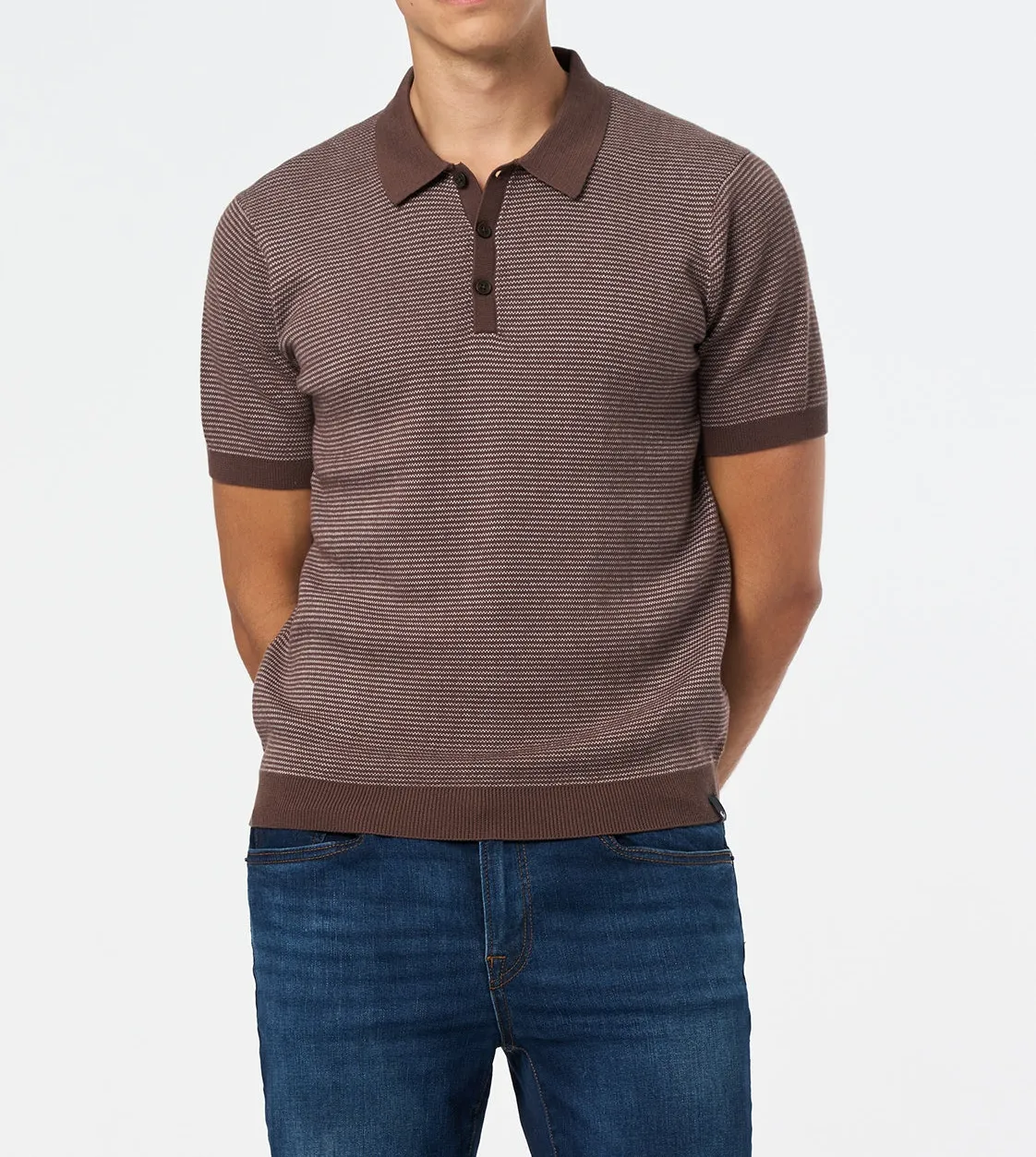

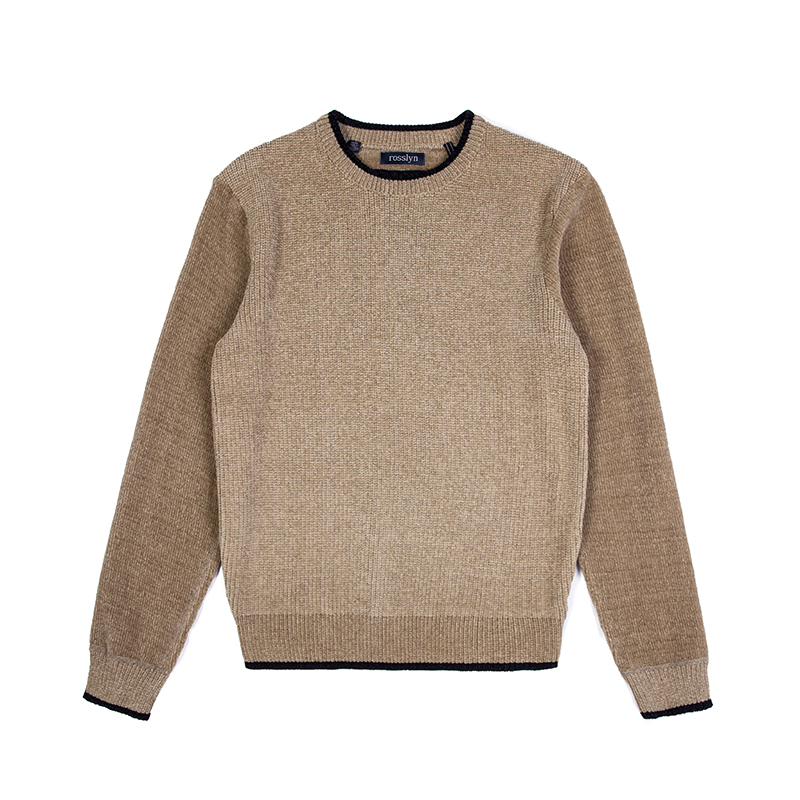
A men’s sweater can feel soft, warm, and expensive, yet still fit badly. If it pulls across your back, rides up when you lift your arms, or hangs far past your shoulders, it will never feel as useful as it should.
The right fit is not one strict silhouette. A close-fitting merino crew neck, a relaxed cotton sweater, and an oversized chunky knit can all fit well. The difference is intention. The shoulders, neckline, chest, sleeves, and hem should work together, while the fabric should allow the movement and layering you need.
This men’s sweater fit guide explains how to judge fit, choose the right amount of ease, understand knit construction, and keep your knitwear in shape.
Start With the Fit You Want
Before you look at a size label, decide how you want the men’s sweater to look and function. A fitted style works well under a blazer. A regular fit offers everyday versatility. A relaxed or oversized style creates more volume and leaves room for layers.
Fit is different from size. Size is a label a brand applies to a garment. Fit is how the finished garment sits on your body. Since brands use different blocks and measurements, two sweaters marked “medium” can look completely different.
Use your personal wardrobe as a guide. Find one sweater you like wearing and notice why it works. Does it have a high crew neck? Does the hem stop at your hip? Are the sleeves close to your arms or roomy enough for a shirt? Those details are more helpful than a size label alone.
The Seven Areas to Check
When trying on a sweater, check these areas in order:
- **Shoulders:** They set the structure for the rest of the garment.
- **Neckline:** It should lie flat and feel easy around your neck.
- **Chest and upper back:** The fabric should skim rather than strain.
- **Armholes:** They should allow you to reach and bend comfortably.
- **Sleeves:** Their width and length should suit the design and your movement.
- **Body length:** The hem should remain where you expect during daily activity.
- **Hems and cuffs:** Ribbing should hold gently instead of squeezing or sagging.
Do not only stand still in front of a mirror. Raise your arms, reach forward, sit down, and bend your elbows. A sweater can look fine in a fitting room pose but fail during ordinary movement.
Get the Shoulders Right First
For a classic set-in sleeve sweater, the shoulder seam should end near the natural edge of your shoulder. This is the joint where your arm connects to your torso, not the widest point of your shoulder muscle. When the seam sits correctly, the chest, sleeve, and neckline usually fall into a better position.
A seam falling far down the upper arm often means the garment is too large, unless it is designed as a drop-shoulder style. A seam pulled toward your neck usually means the sweater is too narrow across the upper torso. It can also cause the neckline to distort and the upper back to feel tight.
Raglan, Drop-Shoulder, and Seamless Styles
Not every sweater has a horizontal shoulder seam. Raglan sleeves use diagonal seams from the neckline to the underarm. Those lines should lie flat, without pulling toward the neck or sagging into excess fabric. Check the upper chest and back for smooth fabric when you lift your arms.
Drop-shoulder sweaters place the seam below the natural shoulder on purpose. They should still look balanced. The sleeve should not become tight at the underarm, and the body should not create heavy folds around the upper arms.
A seamless knitting sweater may have no visible shoulder seam. In that case, inspect the yoke and the upper back. They should follow your shoulders without twisting, stretching outward, or hanging away from the body. Seamless designs can feel smooth under outerwear, but they still need thoughtful shaping and a stable neckline.
Shoulder Fit Warning Signs
| If it is too large | If it is too small | If it fits well |
| Seams fall well down the arm. | Seams pull inward toward the neck. | Seams sit near the natural shoulder edge. |
| Upper-arm fabric looks loose and heavy. | The neckline becomes distorted. | The upper back stays smooth. |
| Sleeves feel bulky under jackets. | Reaching feels restricted. | You can move your arms freely. |
Shoulders matter because knitwear hangs from them. Begin there, then assess the rest of the sweater.
Check the Chest and Upper Back
A properly fitting men’s sweater should give your chest and upper back enough room to breathe and move. It should not cling like a compression layer, unless it was designed for that purpose. It also should not hang so far from the body that it loses all shape.
Stand naturally and look for horizontal pulling lines. They often appear across the chest, between the shoulder blades, or near the upper arms when a sweater is too small. Stretched stitches and a lifted front hem are other common signs. If the fabric forms deep folds below the arms or across the back, the sweater may have too much volume.
Understand Ease Before Choosing a Size
Ease is the difference between your body measurement and the finished garment measurement. It is one of the clearest ways to understand sweater fit.
For example, a 40-inch sweater worn by someone with a 36-inch chest has four inches of ease. That amount usually creates a regular, comfortable fit. The right amount varies by style, yarn, and how you plan to wear it.
| Fit category | Typical ease at the chest | What it looks like |
| Fitted | 0–2 inches | Close to the body, clean, and easy to layer. |
| Regular | 2–4 inches | Comfortable and versatile for everyday outfits. |
| Relaxed | 4–8 inches | Softer drape and more room through the torso. |
| Oversized | 8 inches or more | Intentional volume through the body and sleeves. |
These are guides rather than rules. A thick cable knit may need more space than a thin merino sweater. A sweater with little stretch also needs more room than a highly elastic rib knit.
If you have broad shoulders, a fuller chest, a wider upper back, or muscular upper arms, do not automatically buy a much larger size. The shoulders may then become too wide. Instead, begin with the upper torso and shoulder fit, then compare the finished chest, upper-arm, and hem measurements. Flexible ribbing and a slightly longer hem can improve comfort without making the entire garment baggy.
Choose a Length That Works in Motion
Men’s sweater length affects both comfort and proportions. A classic sweater often ends at the high hip or mid-hip. This length works with jeans, chinos, and tailored trousers, while offering coverage without too much fabric around the waist.
Shorter sweaters usually finish near the natural waist and work best with higher-rise trousers. Longline sweaters fall below the hip and often pair well with slim trousers or jeans. Neither option is automatically more flattering; the key is whether the length matches your outfit and feels right when you move.
| Length | Typical hem position | Useful styling choice |
| Short | Natural waist | Higher-rise trousers and clean layers. |
| Standard | High hip to mid-hip | Everyday denim, chinos, and tailored trousers. |
| Longline | Below the hip | Slim trousers, jeans, or layered looks. |
| Extra-long | Upper thigh | Deliberately relaxed, casual styling. |
The hem should lie flat. If it is too tight, it may roll upward or climb when you sit. If it is too loose, it can look shapeless. Ribbing should gently bring the garment inward without digging into your waist.
Test the length in real positions. Sit down, lift both arms, reach forward, and bend slightly. If the hem exposes more waist or lower back than you expect, either the sweater is too short or it lacks enough ease through the body. Try the test over the trousers or jeans you normally wear; a waistband can change how a hem behaves.
Make Sure the Sleeves and Armholes Work
Sleeves should follow your arms without gripping them. Full-length sleeves usually finish around the wrist bone, leaving room for a watch or the edge of a shirt cuff. Longer sleeves can work in casual or oversized designs, but they should look deliberate rather than accidental.
The sleeve should bend easily at the elbow. If fabric pulls across your biceps or creates horizontal lines near the elbow, it is too narrow. If the cuff collects in a thick pile over your hands, it may be too long or too wide. Chunky knitwear often needs more room through the arms because the yarn itself adds bulk.
Armholes affect mobility more than many people expect. A well-shaped armhole sits close enough to allow movement without pinching. Very low armholes create loose fabric under the arms and can make it harder to lift your arms. Very tight armholes pull across the chest and back.
Use this short movement test:
- Bend both elbows fully.
- Raise your arms overhead.
- Reach forward as if picking up a bag.
- Wear a light shirt underneath.
- Check that the cuffs sit evenly at both wrists.
The sweater should move with you. It should not tug hard across your upper back or force the body hem to rise dramatically.
Find a Comfortable Neckline
The neckline frames your face, so small fit problems show quickly. It should lie flat around the front and back of the neck. It should not choke, gape, slide backward, or twist after a few minutes of movement.
Crew Neck
A crew neck should sit close to the base of the neck while leaving enough room for comfort. You should be able to pull it over your head easily. If it spreads wide enough to reveal an undershirt shoulder or the top of your back, it is probably too loose for a classic crew neck. If it presses against your throat or pulls the shoulder seams inward, it is too tight.
V-Neck
A V-neck should rest flat against the chest, with its point centered below the neck. Its edges should not pull sideways toward the shoulders. A shallow V-neck works well alone; a deeper V-neck leaves room for a shirt collar. In either case, check the shape while moving your arms. A distorted V often points to tight shoulders or insufficient chest ease.
Turtleneck and Mock Neck
A turtleneck should feel warm and soft, never restrictive. Turn your head and wear it for a few minutes before deciding. A mock neck sits lower and offers coverage without wrapping fully around the neck. Both styles need enough structure to stay neat without collapsing into heavy folds.
Let Fabric and Construction Guide the Fit
The same measurement can fit differently in different fabrics. Gauge, stitch pattern, fiber, and construction determine how a sweater stretches, drapes, and recovers after wear.
Gauge, Stretch, and Recovery
Gauge describes the density of the knitted fabric. A tighter gauge creates a denser, more structured material. It may feel firmer and offer less stretch. A looser gauge creates more drape, but it can grow longer under its own weight.
Stretch describes how far a fabric expands. Recovery describes how well it returns to its original shape. Good recovery is especially important at cuffs, hems, and necklines. Gently stretch those areas between your hands. They should spring back instead of staying visibly pulled.
Fibers Matter
| Fiber | Typical fit behavior | Care point |
| Wool | Warm, elastic, and usually resilient. | Often holds shape when washed gently. |
| Cotton | Soft and breathable, but less elastic. | May stretch or sag during wear. |
| Cashmere | Light, warm, and softly draped. | Needs gentle washing and flat drying. |
| Silk | Smooth, light, and softly draped. | Use gentle handling and follow the care label. |
| Linen | Cool, breathable, and naturally textured. | Wash gently and reshape while damp. |
We have a strong yarn supply chain for wool, cashmere, silk, linen, cotton, and more.
Ribbing stretches easily and suits necklines, cuffs, and hems. Cables and heavy textures add structure but reduce stretch. Openwork creates light, flexible fabric. When you compare sweaters, consider the stitch pattern as well as the stated size.
Seams and Seamless Construction
Seams can add useful structure, especially at the shoulders. A panel-knit sweater may hold its shape well because its seams support the garment. A seamless knitting sweater reduces seam bulk and can drape softly over the body. Neither is always better. Check whether the shoulders, neckline, and upper back remain stable after movement.
For a flat back knit sweater, inspect the back in a mirror or use a phone camera. The fabric should lie smoothly across the shoulder blades and lower back. Pulling lines suggest insufficient back width. Loose folds around the waist may signal excess length or width. Back-neck shaping helps prevent the neckline from sliding backward.
Check Special Sweater Designs Carefully
Some designs need extra fit checks because their details change stretch or drape.
Jacquard Sweaters
A Jacquard sweater uses multiple yarn colors to form patterns. The yarn floats behind the colorwork can limit stretch, especially across the yoke, chest, and sleeves. Choose enough upper-body ease and check the design while lifting your arms. Puckering suggests tight tension; heavy bulk suggests loose tension.
Ottoman Knit Sweaters
An Ottoman knit sweater has raised horizontal ribs and a structured surface. It can look clean and tailored, but the chest needs enough room to preserve the texture. Overstretching can flatten the ribs and make the sweater feel restrictive. Check that the hem flexes comfortably when you sit or reach.
Embroidered and Printed Sweaters
Embroidery can make one area feel stiffer, especially across the chest, sleeves, or back yoke. The backing should feel smooth against the skin and should not pull the knit fabric into bumps. For a printed sweater, make sure the graphic stays centered and readable. A design that stretches or distorts across the chest or waist often means the garment is too tight.
Use Measurements Instead of Guesswork
The best way to shop online or develop men’s knitwear is to compare body measurements and finished garment measurements. Begin by measuring your upper torso, fullest chest, shoulder width, upper arm, waist, hip, sleeve length, and preferred body length.
Then measure a sweater you already love. Lay it flat without stretching it. Measure the chest below the armholes, shoulder width, body length, sleeve length, upper-arm width, hem width, and neck opening. Double flat widths when you need a full circumference.
| Measurement | Why it matters |
| Upper torso | Helps identify a balanced shoulder and neckline fit. |
| Chest | Helps calculate the amount of ease. |
| Shoulder width | Helps position seams correctly. |
| Upper-arm width | Prevents restrictive sleeves. |
| Body and sleeve length | Helps avoid unexpected shortness or excess length. |
| Hem width | Helps the sweater sit comfortably over the waist and hips. |
Size labels are not standardized. A medium from one brand may match a large from another. Finished measurements, fabric details, and fit notes give you far better information.
Know When a Sweater Is Too Big, Too Small, or Just Right
An intentionally oversized sweater is not simply a sweater bought too large. It still needs a controlled neckline, workable sleeves, and a hem that sits as designed. A regular-fit sweater should feel easy without looking shapeless.
Common signs of an overly large sweater include shoulder seams far below the shoulder, very low armholes, cuffs covering the hands, and large folds across the body. It may also feel awkward beneath a coat because the sleeves create excess bulk.
A sweater is likely too small when it shows horizontal tension lines across the chest, upper back, biceps, or waist. The neckline may pull upward, the front hem may lift, and ordinary movements can feel restricted. Do not dismiss those signs because the sweater feels warm or looks neat from one angle.
The best fit feels quiet. It stays in place while you move, has the intended amount of volume, and allows the fabric texture to look its best. Check it from the front, side, and back before making a decision.
Style a Good-Fitting Sweater
The right fit makes styling easier. A fitted fine-gauge men’s sweater layers neatly under a blazer or coat. Pair it with trousers or dark denim for a clean shape. A regular fit works with straight jeans, chinos, and tailored trousers.
A relaxed sweater creates a softer silhouette. Use a partial tuck if extra fabric gathers around the waist. Pair a longer relaxed sweater with slimmer trousers or dark denim to balance the volume. For an oversized sweater, keep at least one other part of the outfit more defined. Slim jeans, structured boots, or a visible waistband can keep the look intentional.
For layering, use thin base layers beneath slimmer knitwear. A T-shirt works under a crew neck; a collared shirt works under a crew neck or V-neck. Check the shoulder seams, armholes, and hem after adding the layer. The extra fabric should not bunch or change the neckline shape.
For product development or bulk sourcing, Honry Sweater (www.honrysweater.com)—also known as Honry Sweater—can use these same checkpoints when reviewing fit samples, finished measurements, and intended ease.
Protect the Fit After You Buy It
Even a well-fitting sweater can change shape through washing, drying, and storage. Always read the care label first. Wool and cashmere usually benefit from cool water, mild detergent, gentle handling, and flat drying. Cotton knitwear may stretch if it is hung wet.
Avoid wringing a wet sweater. Press excess water out in a clean towel, then lay it flat to dry. While it is damp, smooth the shoulders, sleeves, neckline, and hem into shape. Do not hang heavy sweaters on hangers; they can stretch the shoulders and form bumps. Fold them instead.
If a cuff, hem, or neckline has stretched, a knitwear specialist may be able to repair or rework it. Shortening sleeves or adjusting side seams may be possible on some panel-knit sweaters. Seamless styles can be more difficult to alter because they have fewer seams to adjust.
A Final Fit Check Before You Keep It
Before buying a men’s sweater or approving a production sample, run through this checklist:
- The shoulders sit where the design intends.
- The neckline lies flat and feels comfortable.
- The chest and back have enough ease.
- The armholes and sleeves allow full movement.
- The hem stays in place when you sit and reach.
- The fabric stretches gently and recovers its shape.
- The garment works over your usual layers.
The best sweater is not the one with the “correct” size label. It is the one that supports your movement, fits your preferred style, and continues to feel good after real wear. Begin at the shoulders, compare measurements to a favorite sweater, and let the fabric and construction guide your final choice.

 English
  French
  Chinese
  German
  Japanese
  Spanish
  Portuguese
  Russian