 コンテンツへスキップ


Abstract
子供用セーター are specialised knit garments designed to provide warmth, comfort, and safety while allowing freedom of movement and offering aesthetic appeal for infants, toddlers, and older children.
The development of modern children’s sweaters integrates textile engineering, ergonomic sizing systems, child-safe garment construction, and trend-driven pattern design to meet both functional and commercial requirements.
According to apparel product development standards and paediatric clothing ergonomics research, well-designed children’s sweaters should optimise thermal comfort, fabric softness, stretch recovery, and size grading accuracy, while avoiding safety hazards such as detachable embellishments or restrictive fits.
With growing consumer demand for fashion-forward and performance-oriented children’s clothing, an understanding of sweater design, pattern construction, and size specifications has become essential for apparel brands, buyers, and manufacturers.
Referenced Literature / Sources:
- Child Apparel Ergonomics and Sizing Standards in Garment Development Literature
- ASTM / ISO Children’s Apparel Fit and Safety Guidelines
- Knitwear Product Development Technical Manuals
Children’s Sweater Design, Patterns, and Sizes: A Full Guide
A children’s jumper is more than just a smaller version of an adult knit garment. Developing effective children’s sweaters requires specialised consideration of child body proportions, growth patterns, comfort needs, safety standards, and fashion preferences. If you are a clothing brand, apparel buyer, designer, or manufacturer, it is essential to understand how children’s sweaters are designed and how patterns and sizes are developed in order to create commercially successful products.
This guide provides a comprehensive overview of children’s jumper design, pattern construction, sizing systems, fabric selection, and current market trends, equipping you with the knowledge to develop or source high-performing children’s knitwear.
What Defines a High-Quality Children’s Sweater?
A high-quality children’s jumper should combine aesthetics, comfort, safety, durability, and an accurate fit. Unlike adult knitwear, children’s sweaters must account for the following:
- Rapid body growth
- Greater movement and activity levels
- Sensitive skin
- Frequent laundering
- Enhanced safety requirements
- Parent purchasing preferences
Successful sweater development therefore, requires balancing fashion design with technical garment engineering.

Core Elements of Children’s Sweater Design
- Silhouette/garment shape
The silhouette determines the garment’s overall style and comfort.
Common children’s jumper silhouettes include:
- Classic crewneck pullovers
- Cardigans
- Hooded sweaters
- Oversized casual fits
- Slim-fit schoolwear sweaters
- Cropped fashion sweaters for older children
Designers must ensure that silhouettes allow freedom of movement while remaining age-appropriate.
- Neckline design
Popular neckline options:
- Crew neck
- V-neck
- Turtleneck
- Mock neck
- Henley button neck
- Hooded neck
For younger children, wider neck openings make dressing easier.
- Sleeve construction
Sleeve design impacts both comfort and production complexity.
Common sleeve types:
- Set-in sleeves
- ラグランスリーブ
- Drop-shoulder sleeves
- Dolman sleeves
Raglan and drop-shoulder designs are often favoured for children’s clothing due to the improved mobility they provide.
- Hem and cuff construction
Proper rib construction improves the fit and wearability of garments.
Typical finishes include:
- Ribbed cuffs
- Ribbed waistbands
- Elasticated hems
- Contrast trim finishes
Popular Children’s Sweater Patterns and Design Styles
Children’s jumper patterns play a critical role in marketability and brand differentiation.
- Character/graphic sweaters
特徴
- Cartoon motifs
- Licensed characters
- Animal graphics
- Playful themes
- Highly popular in the toddler and pre-school categories
- Jacquard pattern sweaters
Use multi-coloured knitting for:
- Geometric motifs
- Seasonal patterns
- Holiday designs
- Premium knitwear looks
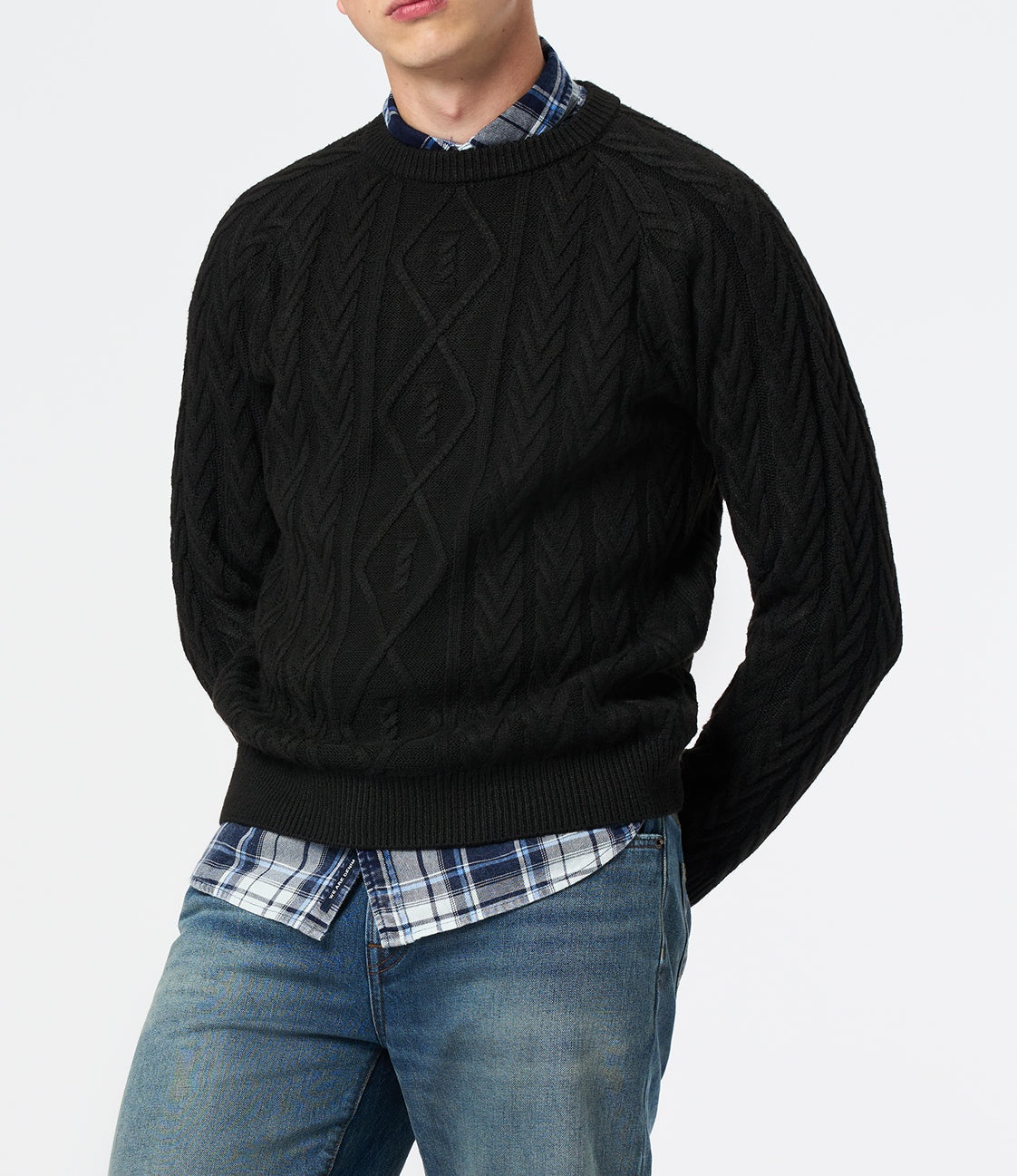
- Cable knit sweaters
Offer a classic textured appearance, ideal for:
- Autumn/winter collections
- Premium heritage aesthetics
- Stripe/colour block designs
Provide modern, versatile styling suitable for a broad age range.
- Embroidered/appliqué sweaters
Enhance the design with:
- 3D embellishments
- Textured motifs
- Decorative stitching
Must comply with child safety standards.
Popular Children’s Sweater Design Styles by Market Segment
| Market Segment | Popular Sweater Styles | Design Priorities |
| Infant | Soft pullovers, cardigans | Safety, softness, easy dressing |
| Toddler | Character / playful sweaters | Bright colors, durability |
| School Age | Uniform/casual sweaters | Fit, versatility |
| Tween | Fashion-forward knits | Trend alignment, style |
| Premium / Boutique | Cable/jacquard / textured | Craftsmanship, aesthetics |
Children’s Sweater Fabric Selection Guide
The choice of material is central to comfort, durability, and commercial positioning.
- Cotton sweaters
Advantages:
- ソフト
- Breathable
- Skin-friendly
- Easy care
Best for:
- Spring/autumn
- Sensitive skin products
- Acrylic sweaters
Advantages:
- 費用対効果
- Warm
- 軽量
- Good colour retention
- Popular in mass-market knitwear
- Wool/wool blends
Advantages:
- Excellent insulation
- Premium feel
- Natural fibre appeal
- Requires careful itch management for children
- Cotton-acrylic blends
Balance:
Comfort, cost, warmth, and durability
- Sustainable fibres
Growing demand for:
- Organic cotton
- Recycled polyester
- Recycled acrylic
- Eco wool blends
Key Considerations in Children’s Sweater Pattern Development
Unlike adult grading, the development of patterns for children must account for non-linear body growth.
- Growth-based proportion changes:
As children age:
- Torso length changes
- Head-to-body ratio shifts
- Shoulder width increases
- Limb proportions change significantly
Thus, grading is not simply scaled-down adult sizing.
- Ease allowance
Children require more ease in movement.
Typical added ease includes:
- Chest ease
- Armhole ease
- Sleeve mobility allowance
- Dressing convenience
Pattern design often includes:
- Shoulder snaps
- Button plackets
- Expanded neck openings
These features are especially useful for infants and toddlers.

Children’s Sweater Size Guide
Standard International Children’s Sweater Size Reference
| Age | Height (cm) | Chest (cm) | Approx Size |
| 0–6M | 60–68 | 44–46 | Infant |
| 6–12M | 68–76 | 46–48 | Infant |
| 1–2Y | 80–92 | 50–52 | Toddler |
| 3–4Y | 98–104 | 54–56 | Kids |
| 5–6Y | 110–116 | 58–60 | Kids |
| 7–8Y | 122–128 | 62–66 | Kids |
| 9–10Y | 134–140 | 68–72 | Youth |
| 11–12Y | 146–152 | 74–78 | Youth |
Note: Size standards vary by market/brand and should be adjusted to the target region.
How to Develop Accurate Children’s Sweater Sizing?
Accurate sizing is crucial when developing children’s sweaters because children’s bodies grow rapidly, and sizing expectations can vary depending on age, region, and market standards. A well-developed size system improves fit consistency and customer satisfaction while reducing returns.
- Base sizing on real body measurements, not age alone
Age-based sizing should only serve as a reference.
Key measurement points:
- -Chest circumference
- Body length
- Shoulder width
- Sleeve length
- Neck opening
- Hem width
Children of the same age can vary significantly in body size.
- Use target market size standards
Different regions use different sizing systems.
Examples:
- US children’s sizing
- EU size standards
- UK sizing systems
Asian market sizing specifications
Always align sizing with the target sales market.
- Account for growth and comfort allowance
Children’s sweaters require more ease than adult garments.
Reasons:
- Supports active movement
- Allows layering underneath
- Extends the wearable lifespan as the child grows
- Consider fabric stretch and knit structure
Knitwear sizing must reflect elasticity.
Important variables:
- Rib knit vs flat knit stretch behaviour
- Yarn elasticity
- Wash shrinkage rate
- Recovery performance
- Conduct fit testing across the size range
Never grade sizes without physical fit verification.
Best practice:
- Test multiple sample sizes on fit models/mannequins.
- Validate grading consistency between sizes.
- Maintain consistent grading rules
Develop a systematic grading process for scalable production.
This ensures:
- Smooth size progression
- Better fit consistency
- Reduced pattern-making errors
Safety Requirements in Children’s Sweater Design
Strict safety requirements must be met for children’s apparel to reduce risks during wear and use.
- Avoid hazardous small parts
Decorative components must either be securely attached or removed.
例を挙げよう:
- Buttons
- Beads
- Sequins
- Decorative appliqués
This prevents choking hazards.
- Restrict drawstrings and long cords
Many markets regulate or prohibit certain designs of drawstrings.
Risk areas:
- Neckline
- Hood
- Waist area
Prevents strangulation and entanglement hazards.
- Use skin-safe materials
All materials should be safe for prolonged skin contact.
Requirements:
- Non-toxic dyes and finishes
- Low formaldehyde content
- Hypoallergenic yarn options
- Ensure proper thermal comfort
Avoid designs that cause overheating or discomfort.
Consider:
- Appropriate yarn weight
- Breathability
- Seasonal suitability
- Minimise scratchy or irritating construction
Children are more sensitive to discomfort.
Design focus:
- Soft yarn selection
- Smooth seam finishing
- Comfortable necklines and cuffs
- Meet regulatory compliance standards
Ensure compliance with relevant market regulations.
Examples:
CPSIA (US), EN 14682/EN 71 (EU), and local textile safety regulations.

Current Trends in Children’s Sweater Design (2026)
In 2026, the children’s knitwear market will be shaped by comfort-driven design, sustainability, and fashion-forward aesthetics, while still prioritising safety and practicality.
- Sustainable and eco-friendly materials
- Increased use of organic cotton, recycled fibres, and eco-friendly dyes
- Growing demand for traceable and certified supply chains
- Sustainability is becoming a key purchasing factor for both brands and consumers
- Soft-touch and skin-friendly yarns
- Focus on ultra-soft, non-irritating materials
- Popular use of cotton blends, modal, and fine-gauge knits
- Enhanced comfort for sensitive skin
- Functional and multi-season designs
- Lightweight sweaters for layering across seasons
- Breathable knit structures for indoor and outdoor use
- Versatile styles suitable for school, casual wear, and travel
- Playful and expressive aesthetics
- Bright colours, cartoon graphics, and interactive designs
- 3D elements, textures, and jacquard patterns
- Personalisation and custom graphics are gaining popularity
- Relaxed fit and comfort-oriented silhouettes
- Slightly oversized fits for ease of movement and extended wear
- Stretchable rib structures for flexibility
- Smart and functional enhancements
- Anti-pilling finishes for durability
- Anti-bacterial and easy-care treatments
- Stain-resistant or washable yarn technologies
- Safety-first design integration
- Elimination of hazardous trims
- Safer closures and reinforced components
- Compliance with international children’s apparel standards
Common Buyer Mistakes When Sourcing Children’s Sweaters
When sourcing children’s sweaters, it is important to strike the right balance between quality, safety, cost, and compliance. Many buyers make avoidable mistakes that affect product performance and market success.
- Prioritising price over quality
Selecting low-cost suppliers without evaluating the quality of the yarn or workmanship
Result: Poor durability, pilling, and customer complaints
- Ignoring safety compliance requirements
Overlooking regulations related to small parts, drawstrings, and chemical safety
Risk: product recalls and legal issues
- Not verifying material composition
Accepting unclear or inaccurate fibre content specifications leads to inconsistency in performance, comfort, and labelling issues.
- Skipping fit testing and size validation
Relying solely on size charts without physical fitting
Results in poor fit, high return rates, and negative customer feedback
- Overlooking durability and care performance
Not testing for wash resistance, shrinkage, or pilling
Affects product lifespan and brand reputation
- Lack of clear technical specifications
Providing vague instructions without detailed requirements causes miscommunication and production errors.
- Underestimating lead time and development process
Expecting a quick turnaround for custom designs
Leads to delays and rushed production with compromised quality
- Choosing suppliers without proper audits
Not verifying factory capabilities, certifications, or quality systems increases the risk of inconsistent production and supply chain issues.
FAQ About Children’s Sweater Design, Patterns, and Sizes
Q1: What fabric is best for children’s sweaters?
Cotton, acrylic, cotton blends, and soft wool blends are among the most common, depending on target price and season.
Q2: How should children’s sweaters fit?
They should allow comfort and movement without being overly tight or excessively oversized.
Q3: Are children’s sweater sizes standardized globally?
No. Size charts vary by country, brand, and target market.
Q4: What patterns are popular for children’s sweaters?
Character graphics, jacquards, cable knits, stripes, and playful textured designs remain highly popular.
Q5: What safety rules apply to children’s sweaters?
Restrictions often apply to drawcords, detachable embellishments, chemicals, and choking hazards, depending on the market.
Q6: How do manufacturers grade children’s sweater sizes?
Using specialized children’s grading rules based on age, anthropometric data, and regional fit preferences.
結論
Designing and sourcing a successful children’s jumper requires more than awareness of trends — it demands an understanding of knitwear engineering, child ergonomics, grading systems, safety compliance, and market-specific preferences. Every development decision, from silhouette and pattern design to fabric selection and size grading, impacts comfort, performance, safety, and commercial appeal.
Brands and buyers that take a strategic approach to developing children’s sweaters can create products that deliver strong market performance and superior end-user satisfaction.

 Japanese
  English
  French
  Chinese
  German
  Spanish
  Portuguese
  Russian