 Saltar para o conteúdo

Quick Answer
Children’s sweaters remain one of the most versatile and essential categories of children’s clothing, offering warmth, comfort, durability, and fashion adaptability. According to The Science of Clothing Comfort by Guowen Song, as well as research published in the International Journal of Fashion Design, Technology and Education, knitwear designed for children should strike a balance between thermal regulation, softness, flexibility, and ease of care in order to support physical activity and comfort.
Looking ahead to 2026, children’s sweater trends will increasingly emphasise sustainable fibres, lightweight warmth, gender-neutral designs, and premium knit craftsmanship. This makes selecting the right sweater more important than ever for parents, retailers, and apparel brands.
Introduction
Few garments are as universally loved and consistently relevant as the children’s jumper. From school uniforms and holiday outfits to everyday casual wear and outdoor activities, sweaters provide children with the warmth and comfort they need throughout the changing seasons. Unlike highly seasonal fashion products, children’s sweaters are in demand all year round because they serve both functional and aesthetic purposes. They can be layered in winter, worn on their own in spring, or used for transitioning to autumn.
The global children’s apparel market is evolving rapidly due to changing consumer preferences, advancements in textile technology, growing sustainability awareness, and the increasing demand for high-quality children’s clothing. Today’s parents are more informed than ever before. They consider not only appearance and price, but also fabric composition, safety certifications, durability, comfort, ease of maintenance, and environmental impact.
For manufacturers, retailers, sourcing professionals, and fashion brands, understanding the modern children’s jumper market requires more than identifying popular colours or seasonal trends. They must also know knit structures, yarn selection, garment construction, sizing requirements, and evolving consumer expectations. This comprehensive guide covers all the information that buyers and industry professionals need to know about children’s sweaters in 2026, including styles, knit types, materials, market trends, and purchasing considerations.

What Are Children’s Sweaters?
A children’s sweater is a knitted or crocheted garment designed to be worn on the upper body, specifically for infants, toddlers, children, and young adolescents. Unlike woven garments, sweaters are made using interlocking loops of yarn, which creates a flexible structure that provides warmth while allowing freedom of movement.
Children’s sweaters are available in numerous styles and designs, including:
- Pullovers
- Cardigans
- Crew neck sweaters
- V-neck sweaters
- Turtlenecks
- Hooded sweaters
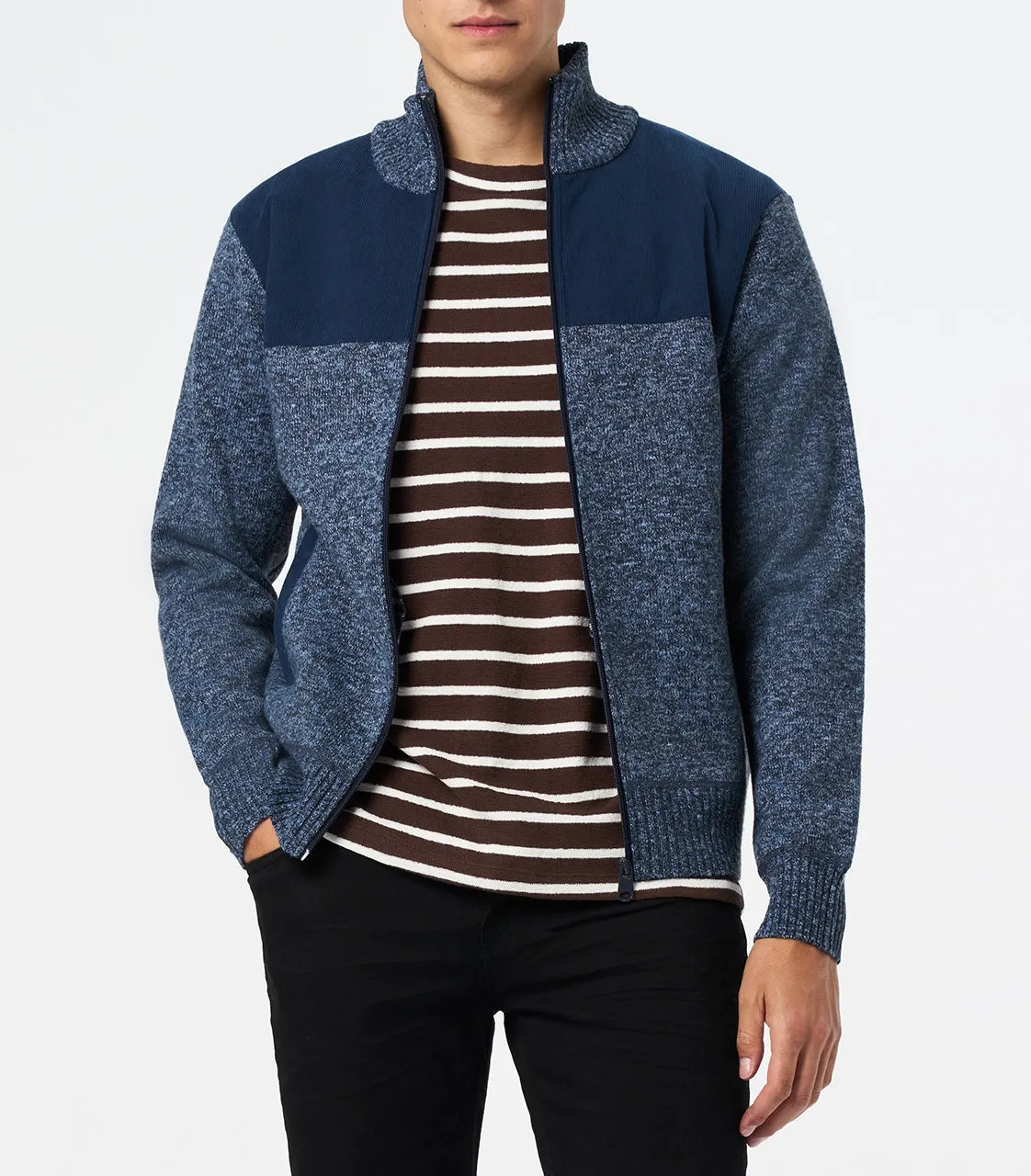
- Zip-up sweaters
- Cableknit sweaters
- Jacquard sweaters
- Chunky knit sweaters
Their popularity stems from their ability to combine practicality with fashion, making them suitable for everyday wear and special occasions.
Why Children’s Sweaters Remain Essential in Modern Kidswear?
Despite changing fashion trends, children’s sweaters remain a staple of children’s wardrobes.
One reason for this is their thermal efficiency. Knitwear naturally traps air between fibres and stitches to create insulation without adding excessive weight. Children often engage in continuous physical activity, so lightweight warmth is more desirable than heavy outerwear.
Another reason is flexibility. Unlike structured garments, knitted sweaters move with the body, supporting active play, participation in sports and school activities, and daily movement.
Additionally, sweaters offer remarkable styling versatility. They can be paired with jeans, skirts, shorts, leggings, uniforms, or worn under jackets, making them one of the most adaptable items of clothing for children.
For parents, this versatility means greater value for money and longer usage periods.
Understanding Different Types of Children’s Sweater Styles
The right sweater style depends on climate, activity level, fashion preferences, and intended use.
-
Pullover sweaters
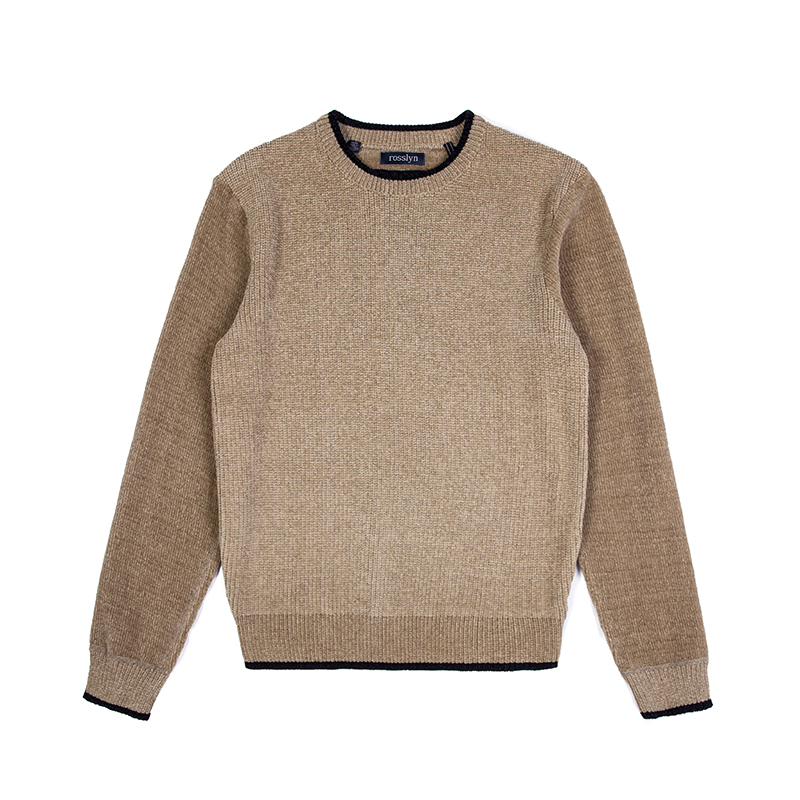
Pullover sweaters are one of the most common and widely purchased styles of children’s sweaters.
Characteristics include:
- No front opening
- Simple construction
- Easy layering
- Durable structure
Because they have fewer components, such as zippers or buttons, pullovers often provide superior longevity and easier maintenance.
They are especially popular for schoolwear and casual everyday outfits.
-
Cardigan sweaters
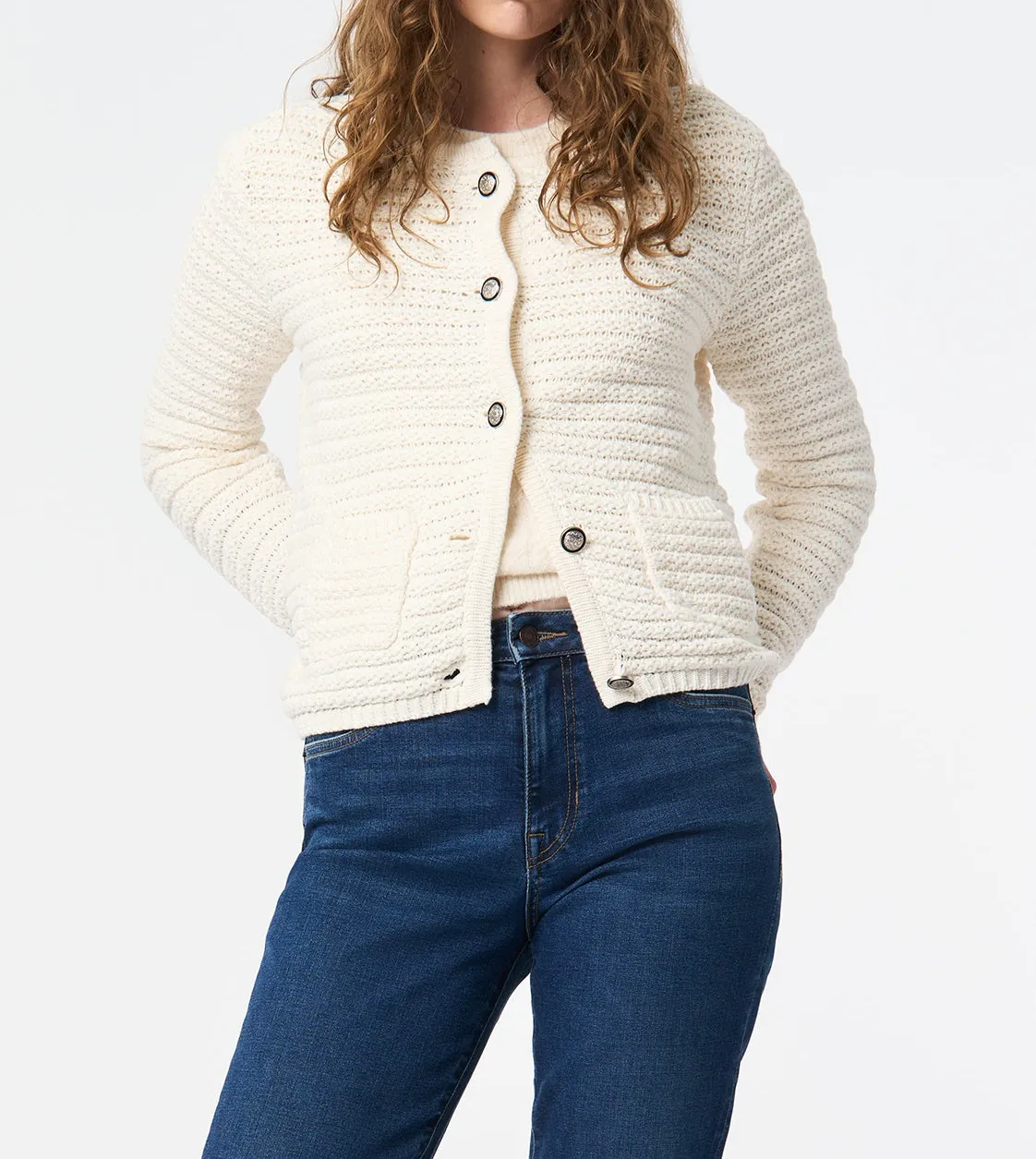
Cardigans feature a full front opening that is secured by buttons or zippers.
Benefits include:
- Easy dressing and undressing
- Better temperature regulation
- Layering flexibility
- Smartcasual appearance
Parents often prefer cardigans for younger children because they make it easier to change their clothes throughout the day.
-
Crew neck sweaters
Crew neck sweaters have a rounded neckline that sits comfortably around the neck.
Advantages include:
- Timeless styling
- Universal appeal
- Layering compatibility
- Comfortable fit
Crew necks remain one of the most commercially successful children’s jumper categories worldwide.
-
Hooded Sweaters
Combining the comfort of a jumper with additional weather protection, hooded designs have become increasingly popular.
Benefits include:
- Enhanced warmth
- Casual aesthetic
- Outdoor functionality
- Added protection from wind
These styles are especially common in activewear and streetwear-inspired collections.
-
Turtleneck sweaters
Turtleneck sweaters provide extended neck coverage and superior insulation.
Ideal applications include:
- Winter climates
- Outdoor activities
- Layered cold-weather outfits
Their sophisticated appearance also makes them popular for formal occasions.
Children’s Sweater Knit Structures Explained
The knit structure has a significant influence on the appearance, comfort, durability, and warmth of the fabric.
-
Jersey knit:
Lightweight and smooth.
Characteristics include:
- Soft texture
- Good stretch
- Comfortable to wear
- Lightweight warmth
It is widely used in everyday children’s sweaters.
-
Rib knit
Rib knits feature alternating knit and purl stitches.
Advantages include:
- Excellent elasticity
- Shape retention
- A comfortable fit
Rib structures are commonly used at cuffs, hems, and collars.
-
Cable knit
Cable knitting creates raised decorative patterns.
Benefits include:
- Enhanced insulation
- A premium appearance
- Traditional styling
Cableknit sweaters remain highly popular for autumn and winter collections.
-
Jacquard knit
Jacquard knitting enables the creation of intricate patterns and graphics.
Common designs include:
- Animals
- Holiday motifs
- Cartoon characters
- Geometric patterns
This knit structure allows brands to create highly distinctive products.

Best Materials for Children’s Sweaters
The selection of materials plays a crucial role in ensuring comfort, safety, and durability.
-
Algodão
Cotton remains one of the most popular fibres for children’s sweaters.
Advantages:
- Breathability
- Suavidade
- Hypoallergenic properties
- Easy care
- Ideal for transitional weather
-
Lã
Wool is another popular fibre for children’s sweaters.
Wool provides exceptional thermal performance.
Benefits include:
- Natural insulation
- Moisture regulation
- Odour resistance
Merino wool is particularly valued because it is soft yet does not itch like traditional wool.
-
Acrílico
Acrylic is widely used due to its affordability and versatility.
Advantages:
- Lightweight warmth
- Colour retention
- Easy maintenance
- Lower cost
Many commercial children’s sweaters incorporate acrylic blends.
-
Cotton-acrylic blends
These blends combine the strengths of both fibres.
Benefits include:
- Improved durability
- Reduced shrinkage
- Enhanced softness
- Competitive pricing
Many manufacturers consider this blend to be the ideal balance between performance and affordability.
-
Sustainable fibres
Growing environmental awareness has increased demand for:
- Organic cotton
- Recycled polyester
- Responsible wool
- Regenerated cellulose fibres
Sustainability is becoming an increasingly important factor in both brands’ and consumers’ purchasing decisions.
Material Comparison Table
| Material | Suavidade | Calor | Durabilidade | Maintenance | Sustentabilidade |
| Algodão | Elevado | Moderado | Elevado | Easy | Elevado |
| Lã | Elevado | Excellent | Elevado | Moderado | Elevado |
| Acrílico | Moderado | Elevado | Elevado | Easy | Moderado |
| Mistura de algodão | Elevado | Elevado | Elevado | Easy | Moderado |
| Organic Cotton | Elevado | Moderado | Elevado | Easy | Excellent |
How to Choose the Right Children’s Sweater?
To select the best children’s jumper, it is necessary to evaluate multiple factors simultaneously.
-
Comfort and skin sensitivity
Children’s skin is often more sensitive than adult skin.
Parents should prioritise:
- Soft fibres
- Smooth seams
- Breathable fabrics
- Nonirritating materials
Comfort directly influences how frequently a garment will be worn.
-
Size and fit
An overly tight jumper restricts movement, while an oversized jumper may compromise comfort and safety.
The ideal fit should provide:
- Room for movement
- Layering flexibility
- Proper sleeve length
- A comfortable neck opening
Accurate sizing significantly improves customer satisfaction.
-
Durability requirements
Children’s clothing experiences considerable wear and tear.
Important durability factors include:
- Stitch strength
- Pilling resistance
- Shape retention
- Wash durability
Quality construction can dramatically extend the lifespan of a garment.
Children’s Sweater Trends for 2026
The children’s knitwear industry is being shaped by several emerging trends.
-
Gender-neutral designs
Many brands are moving towards more versatile colour palettes and inclusive designs.
Popular shades include:
- Sage green
- Bege
- Dusty blue
- Cream
- Soft grey
-
Sustainable fashion
Consumers are increasingly prioritising:
- Traceable supply chains
- Eco-friendly materials
- Ethical manufacturing
Sustainability is becoming a key differentiator.
-
Lightweight layering
Parents prefer sweaters that provide warmth without bulk.
This trend has increased demand for:
- Fine-gauge knits
- Lightweight merino wool
- Cottonrich blends
-
Premium knit detailing
Consumers increasingly value:
- Cable patterns
- Jacquard artwork
- Textured stitches
- Handcrafted aesthetics
Premium detailing helps products stand out in competitive markets.

Supplier Considerations for Brands and Retailers
When sourcing children’s sweaters, buyers should consider the following:
- Manufacturing experience
- Material sourcing capabilities
- Quality control systems
- Design development support
- Production flexibility
Established knitwear manufacturers such as Camisola Honry have expanded their capabilities to support customised children’s sweater production. This includes various knit gauges, yarn options, and private-label development services for global apparel brands.
Children’s Sweater Style Comparison Table
| Estilo | Warmth Level | Formality | Best Season |
| Pullover | Elevado | Casual | outono/inverno |
| Cardigan | MediumHigh | Casual/Formal | All Seasons |
| Crew Neck | Médio | Versatile | YearRound |
| Turtleneck | Very High | Formal | Winter |
| Hooded Sweater | Elevado | Casual | outono/inverno |
Perguntas frequentes (FAQ)
- What is the best material for children’s sweaters?
Cotton and merino wool are among the best options due to their comfort, breathability, and temperature-regulating properties.
- Are wool sweaters safe for children?
Yes. High-quality merino wool is generally soft, breathable, and suitable for children when properly processed.
- How should children’s sweaters fit?
They should allow comfortable movement while leaving enough room for layering without appearing excessively oversized.
- What sweater style is most versatile?
Crew neck pullovers are widely considered the most versatile because they work with various outfits and occasions.
- How often should children’s sweaters be replaced?
Replacement depends on growth and wear, but quality sweaters can often remain usable for multiple seasons.
- What are the biggest children’s sweater trends in 2026?
Sustainable materials, lightweight layering, gender-neutral designs, textured knits, and premium craftsmanship are among the leading trends.
Conclusão
Children’s sweaters remain one of the most important categories in children’s clothing because they combine comfort, warmth, flexibility, and style. From classic pullovers and versatile cardigans to sophisticated cable knits and modern, sustainable designs, today’s market offers a sweater to suit virtually every climate, occasion, and consumer preference.
When selecting a sweater for their child, parents prioritise comfort, durability, fit, and material quality. For brands and retailers, success increasingly hinges on meeting evolving consumer expectations regarding sustainability, premium craftsmanship, and functional performance. As textile innovation advances and consumer demand becomes more sophisticated, children’s sweaters will remain a cornerstone of the global kidswear industry, balancing timeless practicality with contemporary design trends.

 Portuguese
  English
  French
  Chinese
  German
  Japanese
  Spanish
  Russian