 Перейти к содержанию


Abstract
In 2026, a men’s sweater is no longer just a seasonal essential; it has become a core element of modern menswear styling, blending functionality, sustainability, and expressive design.
According to the Fashion Futures 2026 Report by McKinsey & Company and The Psychology of Fashion by Kawamura, contemporary styling trends emphasise layering, versatile designs, relaxed tailoring, sustainable fabrics, and hybrid casual-formal aesthetics.
This means that men’s sweaters can now be styled in a variety of contexts, from workwear to streetwear, by combining fit, texture, colour coordination, and accessories to create a balanced and intentional look.
Introduction: The Evolution of the Men’s Sweater in 2026
The men’s jumper has evolved from a purely practical garment designed for warmth into a multifunctional fashion statement. In 2026, it sits at the intersection of comfort, sustainability, and innovative style. It has become a year-round wardrobe essential, adapting seamlessly to casual and semi-formal settings.
Modern consumers demand more than just warmth; they seek versatility, self-expression, and quality craftsmanship. Consequently, styling a sweater today requires an understanding of not only fit and colour, but also fabric technology, layering strategies, and occasion-based dressing.
This article provides an in-depth, SEO-optimised guide to styling men’s sweaters in 2026. It goes beyond the scope of typical fashion blogs by incorporating trend analysis, styling frameworks, and practical outfit formulas.

Understanding Men’s Sweater Types in 2026
Before styling, it is essential to understand the different types of sweaters available in the modern market.
Common Sweater Styles
| Sweater Type | Ключевые особенности | Best Use Case |
| Crew Neck | Classic, round neckline | Casual and smart-casual |
| V-образный вырез | Open neckline | Layering with shirts |
| Turtleneck | High folded collar | Formal and winter styling |
| Cardigan | Open front, buttoned | Layering and transitional weather |
| Oversized Sweater | Loose fit | Streetwear and relaxed looks |
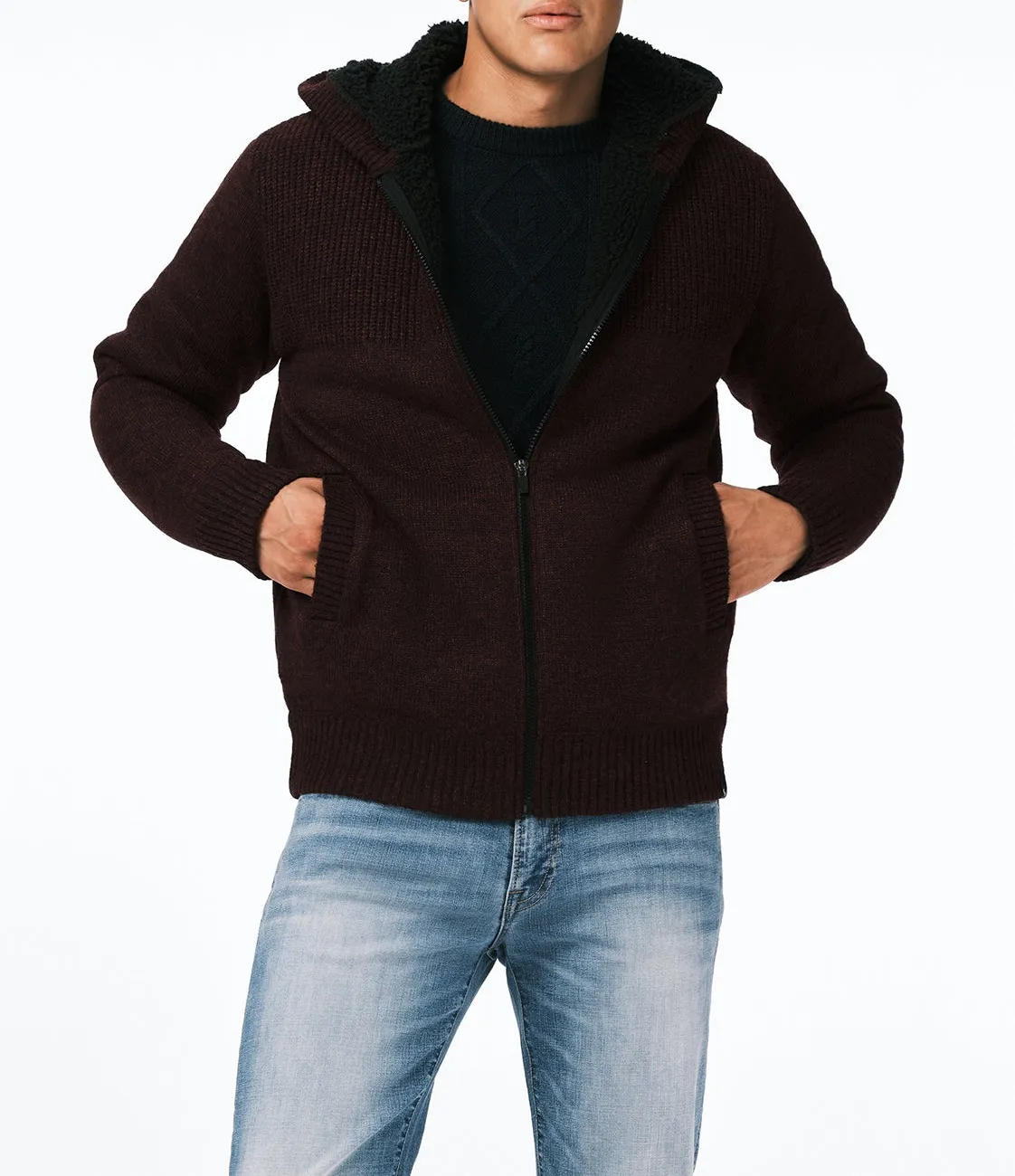
| Zip-Up Sweater | Functional, sporty | Athleisure and casual |
Each style offers different opportunities for layering and outfit composition.
Key Styling Principles for Men’s Sweaters
- Fit is the Foundation
In 2026, the focus has shifted towards achieving a relaxed yet tailored look. Oversized silhouettes remain popular, but must be intentionally styled to avoid appearing unstructured. A well-fitted jumper should:
– align with shoulder seams
– provide room without excessive bulk
– complement body proportions
- Fabric Matters More Than Ever
Sustainability and comfort are the main drivers of fabric choices.
Merino wool: Lightweight, breathable, and premium
– Cashmere blends: Luxury and softness
– Organic cotton: Eco-friendly and versatile
– Recycled fibres: Trend-driven sustainability
- Colour coordination strategy
Neutral tones dominate, but bold accents are emerging. Key 2026 colour trends include:
– Earth tones (olive, beige, and brown)
– Monochrome palettes
– Soft pastels
– Deep jewel tones
How to Style a Men’s Sweater for Different Occasions?
- Casual everyday look
For a relaxed yet stylish outfit, pair a crew-neck jumper with:
– Slim or straight-fit jeans
– Sneakers or casual boots
– Minimal accessories
This combination creates a clean, effortless aesthetic that is suitable for daily wear.
- Smart-casual office look
A V-neck or lightweight jumper worn over a shirt is ideal for professional environments.
Wear a collared shirt underneath, tailored trousers or chinos, and leather shoes to achieve a look that balances professionalism with comfort.
- Formal or business look
Turtlenecks are redefining formal wear in 2026.
Wear a slim-fit turtleneck sweater with a blazer or structured coat and dress trousers to create a modern, minimalist formal style.
- Streetwear and trend-driven styling
Oversized sweaters dominate streetwear.
– Layer over longline T-shirts.
– Pair with cargo pants or wide-leg trousers.
– Add sneakers and accessories.
This style emphasises proportion and layering creativity.

Layering Techniques for 2026
Layering is a key trend in modern menswear.
Effective Layering Combinations
| Base Layer | Mid Layer (Sweater) | Верхний слой | Style Outcome |
| T-shirt | Crew neck sweater | Denim jacket | Casual |
| Shirt | V-neck sweater | Blazer | Smart-casual |
| Thermal top | Turtleneck | Wool coat | Formal |
| Hoodie | Oversized sweater | Puffer jacket | Streetwear |
Layering adds depth, texture, and versatility to outfits.
Styling by Body Type
When it comes to choosing the right jumper, it’s not just about trends — it’s also about fit, proportion, and balance. Different body types suit different styles, cuts, and knit structures.
- Slim body type
Characteristics:
Lean frame, narrow shoulders
Styling tips:
– Opt for chunky knits or textured sweaters to add visual volume
– Choose layered looks (e.g., a sweater over a shirt)
– Horizontal patterns or colour blocking can create a fuller appearance
– Avoid overly tight or ultra-thin fabrics that emphasise slimness
- Athletic Body Type
Characteristics: Broad shoulders, well-defined muscles
Styling Tips: Athletic body type
Characteristics:
Broad shoulders, defined chest, narrower waist
Styling tips:
Choose fitted or tailored sweaters to accentuate your proportions.
– V-neck or crew neck styles emphasise the upper body.
– Lightweight knits maintain a clean, structured look.
– Avoid overly loose fits that hide your natural shape.
- Broad or stocky body type
Characteristics:
Wider torso, less defined waist
Styling tips:
– Opt for darker colours and minimal patterns for a slimming effect.
– Choose vertical textures or ribbed knits to elongate the body.
– Go for regular or slightly relaxed fits; not too tight.
– Avoid bulky or oversized sweaters that add extra volume.
- Tall Body Type
Characteristics: Long torso, narrower hips
Styling Tips:
– Choose vertical textures or ribbed knits to elongate the body.
– Go for regular or slightly relaxed fits; not too tight.
– Avoid bulky or oversized sweaters that add extra volume. Tall body type
Characteristics:
Long frame, extended proportions
Styling tips:
Use layering and longer sweaters to balance proportions.
– Experiment with bold patterns or colour contrasts.
– Mid-weight to heavy knits add structure.
– Avoid overly short sweaters that disrupt proportions.
- Short or petite body type
Characteristics:
Shorter height, compact frame
Styling tips:
– Choose slim-fit sweaters with clean lines.
– Stick to monochromatic or simple colour schemes to elongate the body.
– Shorter lengths help to maintain proper proportions.
– Avoid oversized or long sweaters that visually shorten height.
Accessories play a crucial role in completing the look
Accessories are essential for taking a jumper outfit from basic to polished and stylish.
- Scarves:
Add texture, colour, and seasonal warmth. Wool or cashmere scarves pair well with knit sweaters and can create a focal point in minimalist outfits.
- Watches
– A classic watch adds a touch of sophistication
– Metal straps are ideal for formal occasions, while leather straps are perfect for casual styling
- Belts and bags
– Coordinate with shoes for a cohesive outfit
– Leather accessories elevate your overall style
- Hats and beanies
Great for casual or winter looks.
Add personality while maintaining functionality.
- Footwear pairing
– Sneakers for casual outfits
– Boots for rugged or winter styles
– Dress shoes for smart-casual or formal settings

Common Styling Mistakes to Avoid
Even high-quality jumpers can look unflattering if styled incorrectly. Avoiding these common mistakes will help you to achieve a more polished and balanced look.
- Wearing the wrong fit
– Too tight: highlights body imperfections and restricts movement
– Too loose: It creates a sloppy, unstructured appearance.
Tip: Choose a fit that follows your body shape without clinging or sagging.
- Ignoring proportions
– Pairing an oversized jumper with baggy trousers can overwhelm the silhouette.
– Wearing a slim jumper with overly tight trousers can look unbalanced.
Tip: Balance proportions (e.g., loose top + fitted bottom or vice versa).
- Poor layering choices
– Bulky layers under a slim sweater create discomfort and uneven lines.
– Visible bunching at the sleeves or neckline.
Tip: Use lightweight base layers for clean layering.
- Mismatched colours
Clashing colours reduce the overall cohesion of an outfit.
The overuse of bright tones can be distracting.
Tip: Stick to neutral palettes or coordinate complementary colours.
- Wearing worn-out or pilled sweaters
Pilling and fading can make outfits look cheap or unkempt.
Tip: Maintain sweaters properly and replace worn pieces.
- Incorrect neckline selection
– Crew necks may feel too casual in formal settings.
– V-necks worn without proper layering can look incomplete.
Tip: Match the neckline to the occasion and consider layering (e.g., a shirt under a V-neck for a smart-casual look).
- Ignoring fabric and season
Wearing heavy wool in mild weather or thin knits in cold weather.
Tip: Choose fabrics based on climate and season.
Seasonal Styling Guide
Different seasons call for different styles of jumpers, different fabrics, and different layering strategies.
- Spring styling
Key features: – Light layers
– Breathable fabrics
– Choose lightweight cotton or thin knit sweaters
– Pair with chinos or light denim
– Opt for pastel or neutral colours
– Look: Fresh, clean, and versatile
- Summer styling (light use)
Key features: Minimal layering and comfort
– Use sweaters for cool evenings or air-conditioned environments
– Select ultra-light knits or linen blends
– Layer over T-shirts or wear loosely draped
Look: Relaxed and effortless
- Autumn styling
Key features: Layering and texture
– Mid-weight sweaters, such as merino wool or blends
– Layer with shirts, jackets, or coats
– Earth tones, such as brown, olive, and beige, work well
Look: Warm, textured, and stylish
- Winter styling
Key features: Warmth and structure
– Choose heavy knits in wool or cashmere in chunky styles
– Layer with coats, scarves, and boots
– Darker tones such as navy, charcoal, and black
Look: Functional, cosy and refined
Fabric and Performance Comparison
| Ткань | Тепло | Breathability | Luxury Level | Best Season |
| Шерсть | Высокий | Средний | Высокий | Winter |
| Кашемир | Высокий | Высокий | Very High | Winter |
| Хлопок | Средний | Высокий | Средний | Весна/лето |
| Blends | Variable | Variable | Medium-High | All seasons |
Emerging Trends in Men’s Sweater Styling (2026)
- Sustainable Fashion
Eco-friendly materials are becoming standard.
- Hybrid Styles
Blending casual and formal elements.
- Minimalist Aesthetics
Clean lines and neutral tones dominate.
- Functional Design
Sweaters with performance features like moisture-wicking.
FAQ: Men’s Sweater Styling
- How should a man’s sweater fit?
It should fit comfortably without being too tight or overly loose, aligning with your body shape.
- Can sweaters be worn in formal settings?
Yes, especially turtlenecks or fine-knit sweaters paired with blazers.
- What is the best color for a man’s sweater?
Neutral colors like black, gray, and beige are versatile, while bold colors can make a statement.
- How do I layer a sweater properly?
Start with a base layer, add the sweater, and finish with an outer layer suited to the occasion.
- Are oversized sweaters still in style in 2026?
Yes, but they should be styled carefully to maintain balance and proportion.
- What fabrics are best for sweaters?
Merino wool, cashmere, and organic cotton are top choices.
- Can I wear a sweater with shorts?
Yes, lightweight sweaters can be styled with shorts for a modern, casual look.
- How do I care for my sweater?
Follow fabric-specific care instructions, avoid high heat, and store properly.
Заключение
In 2026, styling a men’s jumper is about more than just layering for warmth; it’s about creating a balanced, intentional look that reflects modern fashion trends and personal identity. Understanding fit, fabric, colour coordination, and occasion-based styling enables men to transform a simple jumper into a versatile and stylish wardrobe essential.
Even as fashion continues to evolve, the men’s jumper remains a cornerstone piece: adaptable, functional, and endlessly customisable.

 Russian
  English
  French
  Chinese
  German
  Japanese
  Spanish
  Portuguese