 Skip to content


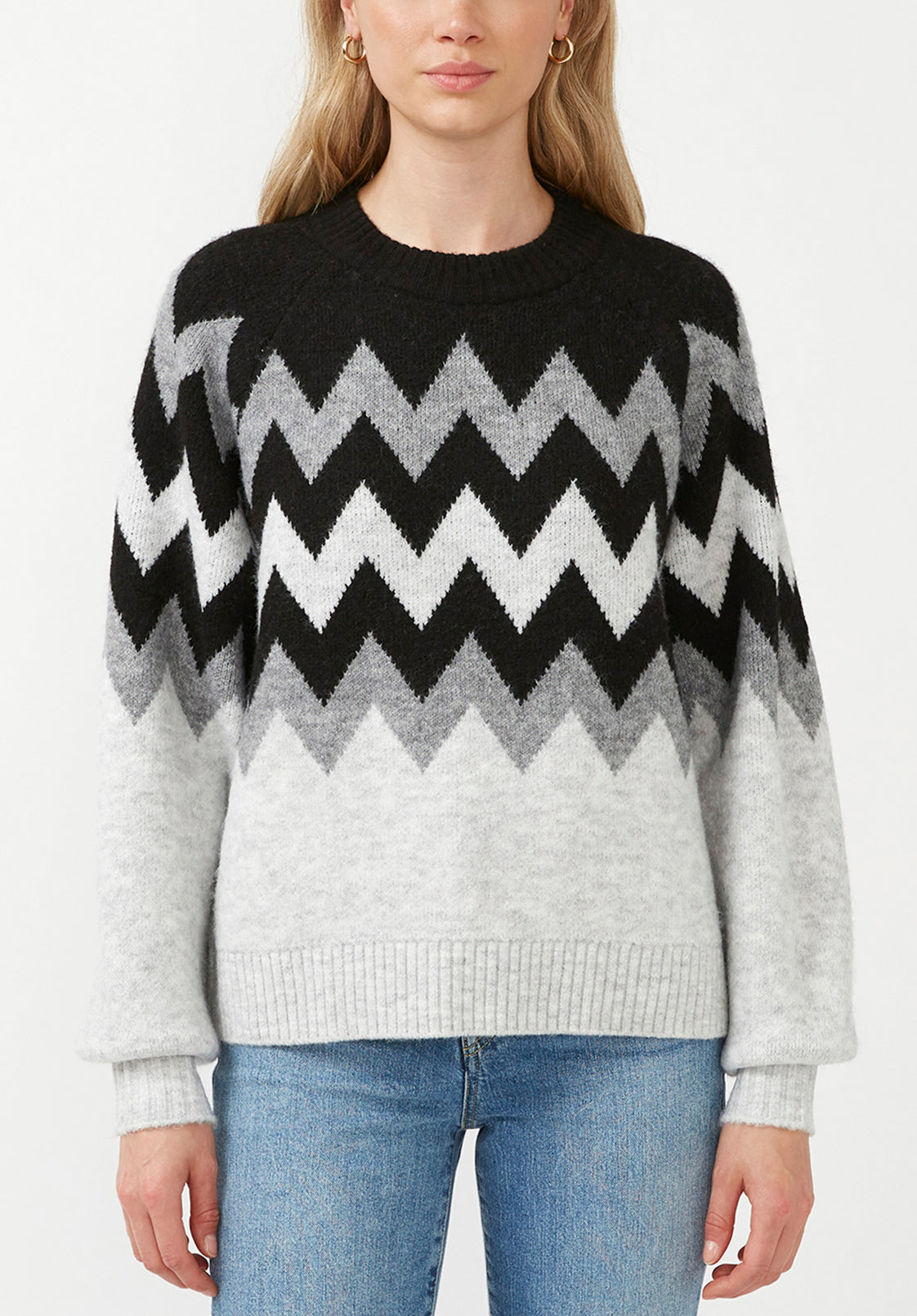

Today, in the modern manufacturing of textiles and clothing, innovation is not solely based on materials: it’s also about technology that redefines efficiency, comfort, and performance. One of the most influential technologies in recent history is seamless knitting. The term “Seamless” is used to describe clothing that lacks traditional stitching or cut-and-sew methods of assembly. Instead, the fabric is formed into a complete, three-dimensional configuration directly on specialized knitting machines.
For fabricators, designers, and textile developers, seamless knitting is a revolution. It increases the efficiency of materials, reduces labor, improves comfort, and accelerates production. This article provides a comprehensive description of what seamless knitting is, its process, machinery, applications, and the reasons why it’s become the foundation of next-generation textile production.
What is Seamless Knitting?
Seamless knitting is a method of creating tubular or three-dimensional knitted clothing directly on computers. Unlike the traditional method of knitting, which involves fabric panel cutting and sewing together, seamless knitting produces a finished or nearly finished garment in one consistent process.
The fundamental concept is integration that lacks seams – body parts, sleeves, and collars are all connected without any stops. This improves the elasticity of the fabric, maintains its structural integrity, and is particularly useful for making clothes that are prone to stretching.
Main Characters:
- No slashing or binding: Reduces trash and labor needed.
- Three-dimensional structure: It offers a natural appearance.
- Increased comfort: No pain or discomfort associated with seams.
- Flexible design possibilities: vary the number of stitches and patterns.
In short, seamless knitting combines both design freedom and efficiency; it’s the choice for performance clothing, underwear, and intelligent textiles.

Evolution and Development of Seamless Knitting Technology
Seamless knitting was initially conceived of in the 1980s as the result of advances in circular knitting machines. The innovation was initially popularized in Italy and Japan; these countries had brands like SANTONI, SHIMA SEIKI, and Mayer & Cie that led the way. Over time, advances in CAD, yarn engineering, and automation have enhanced the process.
| Period | Development |
| 1980s | Introduction of computerized circular knitting for hosiery and underwear. |
| 1990s | Expansion to outerwear and sportswear industries. |
| 2000s | Integration of electronic yarn feeders and automatic gauge control. |
| 2010s | Development of functional and technical seamless garments. |
| 2020s | AI-driven knitting programming and eco-friendly material integration. |
Today, seamless knitting has become a mature yet constantly evolving technology. Its adoption has expanded from small-scale fashion studios to large industrial manufacturers.
Seamless Advantages: Why It Surpasses Traditional Cutting and Sewing
Seamless technology for knitting offers multiple benefits over traditional methods of cutting and sewing. This technology has revolutionized the process of manufacturing clothing and the experience. These benefits include efficiency, comfort, durability, design variety, and sustainability.
- Unparalleled Comfort and Fit: seamless clothing is exceptionally fun. They eliminate the annoying seams, which prevent friction or wrinkles, and provide a smooth, second-skin-like experience of wearing the shirt. Their singular manufacturing method allows them to stretch and move with the body, which leads to a comfortably snug fit that doesn’t feel constricting.
- Increased productivity and reduced costs: Seamless technology promotes efficiency in the production of garments. It eliminates the necessity of fabric cutting and the majority of sewing processes, which reduces the production time by 30-40%. This also has the potential to reduce costs by as much as 40%, which would lead to a win-win for both manufacturers and brands. Increased production and sampling speeds facilitate a quicker response to emerging trends.
- Increased Durability: Traditional clothing is often damaged at the seams. Seamless clothing is more durable, wearable, and less prone to distortion because of its fewer seams. Their manufacturing procedure also increases their strength.
- Unique Designs and Versatility (Knitted Structure): While cutting and sewing can produce various shapes and utilize different fabrics, seamless knitting is capable of producing unique designs within the knitted structure. It facilitates the creation of intricate patterns, textures, and special regions that lack seams.
- Significant sustainability and reduced waste: Seamless knitting has virtually nonexistent material waste. Traditional methods typically waste 20-30% of the fabric’s cutting patterns; however, seamless knitting employs yarn to fabricate garments. This method is highly efficient and achieves a 95% success rate. This implies that there will be very little waste to cut. Additionally, seamless knitting has a lower number of processes, requires less energy, and is environmentally friendly.
The Core Principle Behind Seamless Knitting
At its inception, seamless knitting was derived from circular knitting and pre-programmed alteration. The fabric is formed by knitting in a tubular manner, and different stitch types and different amounts of yarn are used to create patterns that correspond to the shape of a human body.
Key Technical Practices:
- Tubular Formation:
Circular knitting machines consistently produce continuous fabric tubes, which allows garments to be altered without difficulty.
- Selective Yarn Feeding Strategy:
Feeders that are controlled by computers automatically switch between patterns, colors, or gauges.
- Constant Density Tracking:
Changes the length of the stitch to create different areas of compression or ventilation.
- Integrated Shaping:
Elaborate structures like cups, waistbands, and sleeves are directly knitted, without the need for a post.
This combination of precision and flexibility is ideal for diverse applications in apparel, medical textiles, and smart wearables.

The Process of Seamless Knitting
The process of seamless knitting involves multiple steps that combine design, engineering, and automated production.
Step 1: Online Designing
The procedure begins with the design of digital clothing using CAD software that is compatible with seamless machines that knit. Designers input information regarding body dimensions, stitch types, combinations of yarns, and tension areas.
Step 2: Select the Yarn
The type of yarn affects the comfort and performance of the garment. Common types of yarn include:
Nylon and polyester: For stretchiness and resilience.
Spandex: For areas of compression.
Cotton and viscose: For comfort and breathability.
Functional fibers: For moisture control and anti-inflammatory properties.
Step 3: Device setup
The circular knitting machine is operated via a digital platform. Changes include:
needle gauge (e.g., 24G, 28G, 32G)
Cylinder’s diameter
Stitch pattern recognition
Step 5: Cropping Method
The machine begins to knit in a circular motion. Different components of the garment–arms, torso, and waist–are incorporated into the design seamlessly as the garment rotates. Automatic feeders that manage color changes and the mixture of materials.
Step 5: After the treatment of post-Knitting?
After manufacturing, garments pass through:
Washing or steaming to establish standards
Heat the setting for consistency
Inspection of the defects
Step 6: The packing and distribution of the products.
Seamless clothing that is finished is directly packed or combined with a small amount of stitching accessories before being shipped.
Types of Seamless Knitting Machines
Different seamless knitting applications require specific machine types.
| Type | Description | Common Applications |
| Single Jersey Circular Machine | Produces light, elastic fabrics. | Underwear, base layers |
| Double Jersey Circular Machine | Knits thicker, stable fabrics. | Outerwear, jackets |
| Warp Knitting Machine | High-speed production for technical textiles. | Medical, automotive textiles |
| Computerized Jacquard Machine | Enables complex patterns and textures. | Sportswear, fashionwear |
| 3D WholeGarment Machine | Fully automated garment production. | High-end knitwear |
Each type offers distinct advantages in terms of texture, speed, and garment design flexibility.
Advantages of Seamless Knitting in the B2B Context
For consumers and producers, seamless knitting has a measured advantage in production and quality:
- Reduced Production Debt
No slashing means the least amount of fabric waste — this is an important factor in the sustainability of manufacturers who are concerned with ecology.
- Reduction of Labor Costs
Automation eliminates the need for manual sewing, which reduces dependence on labor.
- Increased Comfort
Without seams, clothing is more conforming to the body and increases the wearability of the garments.
- Increased Efficiency in Production.
One-step knitting reduces the design-to-production lead time by orders of magnitude.
- Flexibility in design
Facilitates the integration of multiple density areas, textures, and technical fibers in one fabric.
- More Durability
Constant structure knitting ensures a higher degree of stretchiness and tear resistance.
Applications of Seamless Knitting
Seamless knitting has a wide range of industrial and consumer applications:
| Sector | Product Examples |
| Sportswear | Compression leggings, yoga tops, base layers |
| Underwear & Lingerie | Bras, briefs, shapewear |
| Medical Textiles | Compression sleeves, orthopedic supports |
| Smart Textiles | Sensor-integrated garments |
| Outerwear | Lightweight sweaters, seamless jackets |
| Automotive & Industrial | Elastic seat covers, protective gear |
Seamless Knitting vs. Traditional Cut-and-Sew Manufacturing
| Criteria | Seamless Knitting | Traditional Cut-and-Sew |
| Waste | Minimal | High (up to 20%) |
| Comfort | No seam friction | Possible irritation |
| Efficiency | High-speed, automated | Labor-intensive |
| Customization | Digitally programmable | Limited |
| Cost Efficiency | High ROI in long term | High recurring cost |
From an industrial perspective, seamless knitting aligns with lean manufacturing, making it the preferred method for high-volume production.
Materials Innovation in Seamless Knitting
The quality of the seamless garments is primarily derived from the innovation of yarns.
Popular Yarn Models:
- Microfiber combinations: Heavier and more smooth.
- Coolmax® fibers: that imbibe moisture to help sports.
- Antibacterial fabric: Prevents the odor of activewear.
- Graphene-fused fibers: Increase thermal regulation.
- Biodegradable polymers: For environmentally friendly clothing production.
The continued evolution of materials has led to the expansion of the range of possibilities for seamless knitting, including temperature control and the integration of smart sensors.
Seamless Knitting in Sustainability and Eco-Design
In the textile industry’s pursuit of sustainability, seamless knitting has a significant impact:
- Reduced trash: no extra waste during harvesting.
- Energy efficiency: fewer manufacturing stages.
- Life expectancy: Seamless clothing has a longer lifespan because of its stronger structural integrity.
- Recyclable materials: The integration of biodegradable or reusable fibers.
By combining environmental awareness and technology, seamless knitting is in full compliance with global sustainability standards like the OEKO-TEX® and GRS certification.
Challenges and Limitations
Despite its benefits, seamless knitting has a specific deficiency:
- High machine cost: The initial cost of circular machines is significant.
- Programming difficulty level: Requires expertise in CAD and needlework.
- Limited color usage: Seamless clothing is difficult to print in a limited color.
- Limiting fabric types: not appropriate for all combinations of materials.
However, the constant evolution of machinery and software is quickly addressing these issues.
The Future of Seamless Knitting Technology
The future of seamless knitting is facilitated by digital technology, smart fabrics, and environmentally responsible design.
Emerging trends:
- Automated pattern generation based on AI
- 3D body scanning to personalize clothing.
- The integration of electronic sensors in smart textiles is envisioned.
- Complete production lines that are automated.
- The circular economy benefits from recycled fibers.
By the year 2030, it is expected that seamless knitting will have a significant presence in sportswear, medical textiles, and technical protective wear. This is because of its precision and versatility.
How to Choose a Seamless Knitting Supplier?
For consumers, selecting the appropriate seamless knitting partner is essential.
Evaluation Checklist:
- Understanding of your target market’s needs
- The variety of machines and their capacity to produce.
- The capacity to source yarn and maintain sustainability.
- The efficiency of the sample’s development
- Certification of quality (ISO, OEKO-TEX®, WRAP)
Mainstream suppliers should also offer design-to-delivery assistance, including the provision of digital patterns, consultation on yarn, and small-batch prototyping.
Conclusion
Seamless knitting is the future of manufacturing textiles- all of these qualities are associated with it. By combining digital control of advanced materials with innovative manufacturing methods, it reduces waste, speeds up production, and increases the potential for design.
For textile companies that want to increase their competitiveness, sustainability, and differentiation in products, adopting seamless knitting is more than a technological upgrade. It’s a strategic commitment to improving the competitiveness, sustainability, and differentiation of products. As the demand for high-performance, environmentally conscious clothing increases, seamless technology will continue to have an effect on the evolution of the global textile industry.

 English
  French
  Chinese
  German
  Japanese
  Spanish
  Portuguese
  Russian