 Saltar para o conteúdo


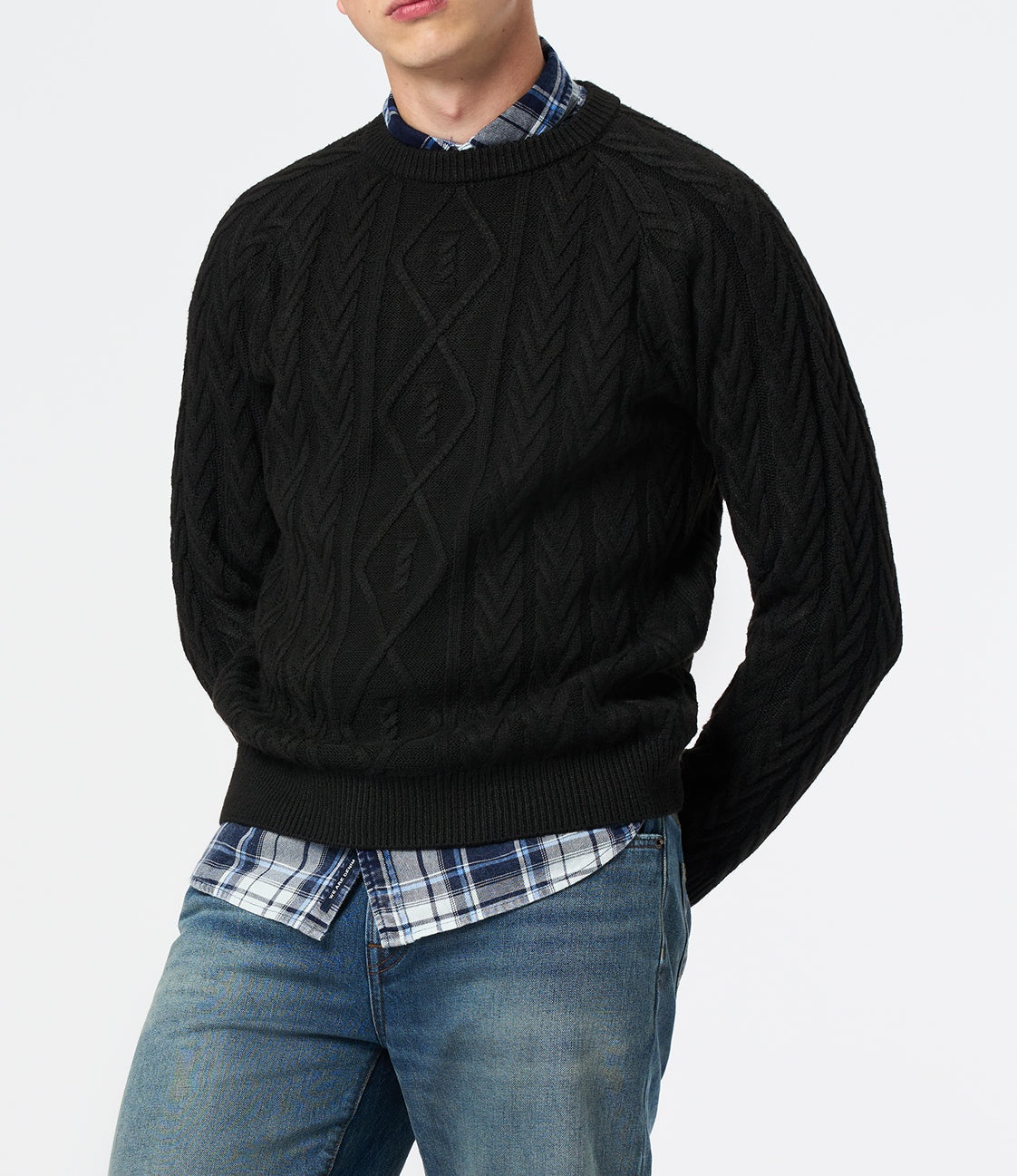
For European menswear brands and DACH region importers, securing a knitwear manufacturing partner often forces a hard compromise between artisan-level detail—expected by today’s style-conscious consumer—and industrial-scale predictability. Structural vulnerabilities in traditional cardigan seams, inconsistent sizing across bulk production runs, the inability to scale complex knit patterns like heavy cable or waffle knits, and mounting EU regulatory pressure around textile traceability pose severe margin risks for fashion procurement directors. Evaluating high-end manufacturing for a Men’s Sweater requires shifting focus from basic unit costs to advanced engineering solutions. These solutions must satisfy both luxury retail standards and demanding high-volume supply chains. This detailed analysis examines how the Honry Sweater facility utilizes 30 years of OEM/ODM expertise alongside automated 3D knitting infrastructure to consistently deliver premium men’s cardigans without facing common mass-market scale limitations.
Key Takeaways
- Scalable Engineering Output: Proven capacity delivering 580,000 units monthly across 700+ automated knitting machines without compromising the structural integrity of complex cardigan knits.
- Advanced Structural Technology: Deep integration of SHIMA SEIKI’s WHOLEGARMENT® tech yields three-dimensional, seam-free products, eliminating standard tension points and perfecting the garment drape required in high-end menswear.
- Luxury Material & Hardware Integration: Precision handling of delicate, premium yarns (Merino, Cashmere, Alpaca blends) alongside automated, reinforced attachment of luxury trims (horn buttons, two-way zippers).
- Audited EU Compliance Matrix: Pre-certified facility ecosystem meeting absolute German and broader EU market entry standards, including HIGG, WRAP, BSCI, GMP, and OEKO-TEX100.
- Agile Prototyping and Fulfillment: Validated rapid timeline metrics enabling brand agility—custom sampling engineered in 7 days, with bulk international deployments mapped between 60 to 90 days.
The Sourcing Challenge for Premium Knitwear in Germany
Shifting Criteria for OEM/ODM Partner Selection
Identifying the breakdown points in standard apparel supply chains requires careful operational audits by procurement teams. Traditional factories lacking centralized, automated oversight often suffer from compounding errors as production scales. When evaluating legacy manufacturing partners, buyers consistently face three recurring structural failures that degrade overall brand equity:
- Severe thread-count variations occurring between the initial approved prototype and the final volume production run.
- Dye lot discrepancies across different yarn batches, leading to mismatched colors within a single retail collection.
- The structural failure of executing intricate patterns, such as dense shawl collars or textured waffle knits, across a high-volume sizing matrix.
Retail brands operating in the luxury menswear sector cannot absorb these inconsistencies. Sourcing a foundational men’s cardigan requires a supplier that controls the entire manufacturing lifecycle internally. Facilities must monitor everything from the initial raw yarn ingestion through tension-controlled knitting and final block finishing. Relying on fragmented supply chains where suppliers use sub-contracted facilities often causes brands to fail internal quality-control benchmarks. Direct oversight mitigates these risks entirely. Modern procurement demands total vertical integration to ensure structural consistency across hundreds of thousands of individual retail units.
EU and DACH Regulatory Checkpoints
Navigating the German Supply Chain Due Diligence Act (LkSG) places strict legal obligations directly on the buyer. European importers carry the legal burden of proving complete supply chain compliance from Tier 1 manufacturers down to raw material origin. Manufacturers must demonstrate transparent, ethical labor practices alongside strict environmental protocols. Ignoring these statutory checkpoints results in severe financial penalties, blocked port entry, and permanent brand damage within the DACH region.
Offshore facilities must meet established baseline requirements long before a purchase order is drafted. Utilizing OEKO-TEX100 certification guarantees the factory uses harmful-substance-free yarns and non-toxic dyeing agents. This directly protects end-consumers and satisfies strict European chemical regulations. Furthermore, utilizing HIGG index benchmarks provides vital environmental lifecycle assessments detailing water usage, carbon output, and chemical waste management. Procurement directors depend on these pre-verified certifications to validate sustainable textile sourcing and shield their corporate entities from regulatory liability.
WHOLEGARMENT® Technology: The Technical Benchmark for Men’s Cardigans
Analyzing Seam-Free 3D Knitting Architecture
Honry Sweater’s strategic partnership with SHIMA SEIKI redefines standard knitwear engineering dimensions. Evaluating automated manufacturing means exploring the physical mechanics of knitting in three distinct dimensions rather than relying on traditional cut-and-sew flat panelling. Advanced automated looms utilizing APEX4 programming systems map the entire garment structure simultaneously. This digital mapping explicitly bypasses the manual labor required to link individual front, back, and sleeve panels together on a sewing line.
The structural outcomes for men’s cardigans engineered this way are immediately quantifiable. Eliminating sewn seams entirely eradicates heavy fabric bulk at the shoulders and underarms. This specific engineering maximizes the natural stretch capacity and recovery of premium wools. It achieves the seamless, tailored drape heavily demanded by premium menswear aesthetics. Without bulky stitched seams holding the panels together, the garment avoids the standard weak points most prone to tearing, stretching, or unravelling over an extended retail lifespan.
Executing Complex Retail Styles and Knit Textures
Translating high-fashion trends into programmable machine codes requires significant in-house engineering skill. Highly digitized facilities execute heavy cable knits, ribbed textures, and fine-gauge silhouettes with absolute block symmetry. Automated machines read complex digital CAD files and replicate those exact stitch counts perfectly across massive production runs. This ensures every piece, from size small to double-extra-large, matches the approved grading prototype flawlessly.
Collar and cuff integrity directly dictates a cardigan’s performance in the consumer market. Engineering structurally sound shawl collars, deep V-necks, and heavy ribbed cuffs requires highly targeted yarn tensioning during the knitting phase. These specific stress areas must retain their elasticity and shape after repeated physical wear and chemical dry cleaning. Automated CNC machinery prevents the sagging and warping incredibly common in mass-market knitwear, ensuring the resulting product maintains a crisp, structured appearance.
| Cardigan Structural Feature | Traditional Flat-Bed Cut & Sew | SHIMA SEIKI 3D WHOLEGARMENT® |
|---|---|---|
| Shoulder Seams | Bulky, rigid stitching; prone to tension tearing. | Completely seam-free; mimics natural shoulder slope. |
| Cable Knit Symmetry | Varies by machine operator; panels often mismatch. | Digitally locked patterns; 100% identical symmetry. |
| Shawl Collar Structure | Requires secondary linking; often lays flat or sags. | Knitted continuously with the body; retains 3D volume. |
| Garment Weight Distribution | Uneven distribution due to overlapping seam allowances. | Perfectly balanced weight allocation across the torso. |
ROI on Automated Waste Reduction
Calculating the efficiency of modern 3D knitting reveals massive yield improvements for procurement budgets. WHOLEGARMENT® machines consume exactly the programmed amount of yarn required per individual garment, right down to the centimeter. Traditional flat-bed cutting generates substantial off-cut scrap, often wasting up to 20% of the raw material. Precision digital knitting eliminates material waste at the source, meaning brands directly benefit from optimized raw material consumption metrics.
Sustainability functions as a primary cost-driver in modern high-volume manufacturing. Translating reduced raw material scrap into improved procurement unit economics strengthens overall brand profit margins. Procurement teams pay only for the high-grade yarn that physically ends up on the retail shelf, avoiding the hidden costs of discarded floor cuttings. This automated efficiency makes high-end, sustainable production financially viable for enterprise-level sourcing directors operating strictly monitored seasonal budgets.
Advanced Material Handling and Hardware Integration
Processing Luxury Yarns at Scale
Automated machine calibration prevents excessive yarn breakage and surface pilling during continuous high-speed production. Weaving high-grade 19.5-micron Merino wool, pure Cashmere, and organic cotton blends requires exact, localized tension control. Natural fibers are inherently delicate and react poorly to mechanical friction. Without calibrated CNC machinery managing feed rates, running these premium yarns at high velocity results in frequent line stoppages, dropped stitches, and damaged, unsellable goods.
Maintaining strict batch-matching protocols ensures vital color uniformity across global shipments. Dye and blend consistency must remain absolute across massive production runs to prevent retail chargebacks. The Honry Sweater facility implements rigorous environmental controls on the factory floor to aggressively manage yarn humidity and ambient temperature. This climate standardization guarantees every cardigan within a 100,000-unit deployment shares the exact same soft hand-feel, structural weight, and visual finish.
Premium Fastenings and Finishing Touches
The operational procedures for attaching high-end hardware require distinct precision separate from the knitting process. Securely affixing genuine horn buttons, heavy tortoiseshell toggles, and durable two-way metal zippers cannot distort the surrounding delicate knit fabric. Standard factories utilizing manual sewing machines often warp or stretch the front placket during heavy hardware application. Automated trim application ensures perfect stitch alignment and uniform thread tension, preserving the garment’s clean, vertical drape.
Utilizing targeted density variations allows specialized facilities to engineer reinforced buttonholes directly into the garment file. These critical interaction areas must withstand daily mechanical stress from the consumer without stretching out or fraying. By programming tighter stitch gauges specifically around the fastenings during the initial digital mapping, manufacturers guarantee long-term retail durability. This advanced engineering foresight definitively separates true luxury menswear from disposable fast fashion items.
Evaluating Capacity: Stress-Testing the Honry Sweater Infrastructure
Scale Parity for Global High-Volume Brands
Auditing the production floor metrics reveals the true, unvarnished scale of the manufacturing operations. The physical Honry Sweater facility houses over 700 advanced automated knitting machines operating on continuous rotation. This heavy infrastructure delivers a strict, validated throughput of 580,000 pieces per calendar month. Enterprise-level buyers absolutely require this exact volume assurance to prevent dangerous supply chain bottlenecks during peak fourth-quarter seasonal demand.
Referencing exact operational standards validates a manufacturer’s global credibility in the market. Maintaining long-term supplier contracts with zero-tolerance corporate partners requires flawless, repeatable execution. These global retail brands audit their partners heavily for both raw volume capability and microscopic structural consistency. Matching their required scale parity proves the factory’s ability to handle massive, complex global deployments without faltering or missing locked delivery windows.
Meticulous Quality Assurance Gateways
Highlighting automated precision versus manual human error clarifies modern QA advantages. Strict stage-by-stage control ensures physical defects are caught immediately before moving to final assembly and packing. Facilities operating at this level execute QA through a series of rigid protocols:
- Automated yarn tension and micron thickness scanning prior to loom loading.
- Real-time optical monitoring during the knitting phase to catch dropped stitches.
- Robotic precision alignment during the hardware and trim application stage.
- Digital 3D block dimension verification checking final garments against CAD specs.
| QA Process Gateway | Traditional Manual QA Risks | Honry Sweater Automated QA Application |
|---|---|---|
| Yarn Ingestion & Setup | Subjective visual inspection; misses internal fiber faults. | Automated tension mapping and strict gauge calibration. |
| Active Knitting Execution | Periodic line spot-checks; errors compound rapidly. | Real-time SHIMA SEIKI digital optical monitoring. |
| Trim & Hardware Assembly | Manual sewing leads to crooked zippers and warped plackets. | Precision robotic trim alignment with tension controls. |
| Final Measurement & Blocking | Randomized tape measuring allows sizing drift. | 100% automated 3D block dimension verification. |
Operational Timelines and De-Risking the Sourcing Contract
Mitigating the 7-Day Rapid Prototyping Window
Examining how highly digitized systems drastically accelerate production proves vital for maintaining brand agility. Advanced machine programming translates flat brand CAD files into fully knitted, wearable samples with extreme speed. They engineer structurally complex cardigan samples from scratch in under a single week. This rapid concept-to-reality pipeline completely outpaces legacy manufacturing timelines, which traditionally require weeks of manual loom reconfiguration.
Shortening the traditional multi-week feedback loop enables frictionless design iterations for the brand. Buying teams can make rapid adjustments to block fit, yarn gauge, color matching, or button placement before officially locking in the master pattern. You avoid wasting months waiting for physically mailed prototypes to clear customs. This aggressive 7-day turnaround ensures seasonal collections hit the retail market accurately and perfectly on schedule.
Navigating the 60 to 90-Day Bulk Manufacturing SLA
Analyzing raw material pre-positioning highlights highly effective capacity planning from the manufacturer. Dedicated facilities allocate scheduled machine line-time to ensure strict adherence to standard GMP manufacturing protocols. This guarantees timely, error-free global deployment schedules mapped out quarters in advance. They proactively mitigate delivery risk by locking in raw yarn supplies and securing machine availability long before physical production begins.
A mathematically reliable 60 to 90-day bulk manufacturing SLA fully de-risks the entire sourcing contract for the importer. Procurement directors depend on these hard, non-negotiable deadlines to arrange ocean freight logistics, secure warehouse space, and manage retail distribution schedules. Predictable manufacturing windows eliminate costly, last-minute air-freight rescues. Sustained reliability ensures brands maintain steady inventory flows and maximize their profitable seasonal sales windows.
Conclusão
- Transition procurement workflows away from manual legacy sewing factories by mandating automated, engineering-led ecosystems that guarantee luxury menswear aesthetics alongside industrial volume reliability.
- Evaluate potential facility matrices strictly against high-volume production scale caps, specifically demanding 580,000 monthly minimums and next-generation SHIMA SEIKI seam-free machine deployments.
- Demand verified supply chain compliance documentation upfront, explicitly requiring recent BSCI, WRAP, and OEKO-TEX100 certifications to ensure immediate European and German market readiness.
- Initiate a trial program by submitting custom cardigan specifications and directly requesting a 7-day WHOLEGARMENT® rapid sample alongside a locked 60-to-90-day SLA agreement for bulk orders.
FAQ
Q: What is the minimum expected lead time for a custom men’s sweater bulk production run?
A: Bulk production at advanced facilities like Honry Sweater operates on a reliable 60 to 90-day turnaround. This timeline remains strictly dependent on exact design complexity, raw yarn availability, and finalized purchase orders submitted immediately following your initial sample approval.
Q: How does 3D seamless knitting technically improve a men’s cardigan?
A: Using SHIMA SEIKI WHOLEGARMENT® technology eliminates physical seams entirely, meaning the knit structure retains uninterrupted tension. This yields noticeably higher structural integrity at standard stress points like shoulders and arms. It provides significantly better body-conforming drape and improves overall garment longevity.
Q: Can automated manufacturing handle complex patterns like cable knits or shawl collars?
A: Yes. Advanced CNC knitting machinery seamlessly translates intricate design files into digital loom mapping. This allows for the flawless, highly symmetrical execution of chunky cable knits, dense waffle textures, and heavy structured shawl collars at extremely high monthly volumes.
Q: Which quality and sustainability certifications should German apparel importers look for?
A: Vendors must be strictly audited to hold HIGG for detailed environmental scoring and OEKO-TEX100 for chemical safety in raw yarns. They must additionally hold foundational fair labor and factory safety compliances, specifically including BSCI, WRAP, and GMP certifications.
Q: How does the factory manage premium yarns like Merino and Cashmere?
A: Facilities utilizing automated infrastructure leverage highly calibrated tension control systems on their machines. These digital systems process delicate, high-grade natural fibers optimally without causing thread breakage, inconsistent stitching patterns, or premature fabric pilling during continuous high-speed volume production.
Q: Can enterprise volume manufacturing still produce artisan-level quality?
A: Yes, provided the manufacturer utilizes automated robotic integration rather than relying on subcontracted manual human labor. Facilities operating massive machinery scale with 700+ automated systems can easily secure precise block symmetry and flawless hardware attachment up to 580,000 items monthly.
Q: How long should rapid knitwear prototyping take for OEM clients?
A: An agile and technologically integrated manufacturing facility will typically compress initial design sampling times down to just 7 days. This extreme speed is entirely enabled by direct digital loom mapping software rather than relying on traditional, slow manual machine re-keying.

 Portuguese
  English
  French
  Chinese
  German
  Japanese
  Spanish
  Russian