 Skip to content



Article Summary:
An Ottoman knit sweater is a distinctive form of clothing characterized by a prominent horizontal ribbed design and a structured appearance that combines comfort with visual interest.
According to textile sources and fabric encyclopedias, the Ottoman knit description is of a fabric with horizontal stripes created through specialized knitting methods. These methods provide both aesthetic appeal and structural integrity, which results in warmth, shape retention, and superior tactile sensation in garments like sweaters and cardigans.
This guide derives inspiration from the FabricAtlas, which describes the ottoman’s ribbed surface and its utilization in fashion-related knits.
Introduction: Defining the Ottoman Knit Sweater
A Ottoman Knit Sweater is more than just a necessary cold-weather component; it demonstrates the advanced nature of textile design in the fashion industry. Unlike the basic ribbed shirt or the Ottoman shirt that has raised ribs that are horizontal, the latter has a more textured surface, a superior design, and is often heavier than the former.
This ribbed appearance is not solely decorative; it also increases the durability of the silhouette, maintains the silhouette well, and provides a refined aesthetic that is in line with both casual and formal wear.
The term “Ottoman” originally refers to the traditional method of fabricating textiles, which is derived from the Ottoman Empire’s fabric traditions. Today, the term is primarily used by designers and brands as a description of their favored technique and style.
Understanding Ottoman Knit Fabric
-
What is the definition of Ottoman knit?
The Ottoman fabric is a type of fabric that creates vertical stripes across the surface. These ribs originate from the alternating patterns of knitted stitching, like interlock and tuck stitches, this produces a textured pattern that enhances the fabric’s strength and promotes visual movement.
Compared to the standard patterns of knitting, like the Vertical Rib Knit or jersey, Ottoman patterns tend to:
More detailed and substantive
More organized
Adherent to stretch markings
Less likely to curl at the perimeter
These traits facilitate the explanation of why Ottoman fabric is commonly used for sweaters and other clothing that requires shape and body.
-
The Different Characters in Sweaters
Because of its creation, Ottoman fabric typically has the following properties:
Ribbing: A signature effect that causes garments to have a refined, three-dimensional appearance.
Weight and Warmth: Typically mid-to-Huge weight, which is well-suited to winter apparel.
Stability: Less likely to stretch past their shape than other types of fabric.
Drape and Form: A pre-designed covering that imbues the shape of sweaters with structure.

Fabric Composition: Materials Behind Ottoman Knit Sweaters
Ottoman knit fabrics used in sweaters can be made from a variety of fibers, each contributing different performance attributes:
| Fiber Type | Properties | Typical Use in Ottoman Knit Sweaters |
| Cotton | Breathable, comfortable, natural | Everyday casual sweaters |
| Wool | Warm, insulating | Premium winter knitwear |
| Acrylic | Lightweight, durable, cost-effective | Affordable structured jumpers |
| Blends (Cotton/Polyester/Elastane) | Balanced comfort, stretch, shape retention | Versatile fashion knitting |
Table compiled based on common industry fabric blends found in ottoman knitwear.
Key Features of an Ottoman Knit Sweater
- Textured Aesthetic of the Visual Arts
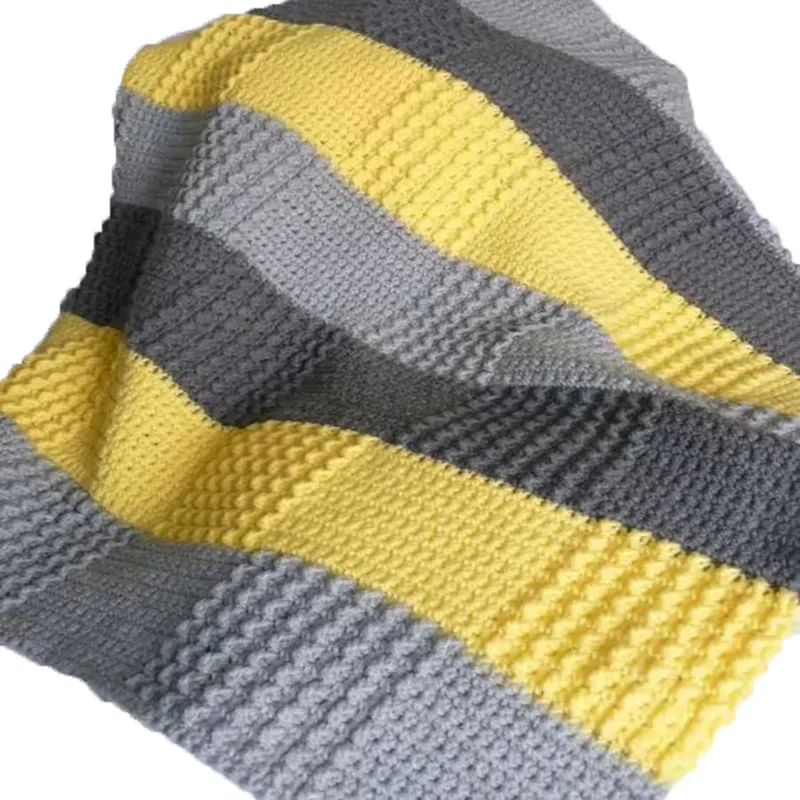
The horizontal stripes of Ottoman knitted sweaters imbue the fabric with a rich visual appearance. Unlike the vertical form of ribbing that focuses on stretch and elasticity, Ottoman ribbing possesses a three-dimensional nature that increases the garment’s presence. This texture can have a subtle or prominent appearance, depending on the weight of the yarn and the gauge of the knitting.
- Structural Appearance and Resistance
Because of its compact design and ribbed structure, Ottoman fabric promotes stability and helps sweaters maintain their shape during use and washing. This makes them particularly significant for fashion-related items that require neat lines and beautiful silhouetting.
- Warmth and Comfort
Ottoman-style sweaters are typically heavier than other styles, but still allow for flexibility. The choice of yarns, such as wool and cotton blends or synthetic fibers, can further enhance the comfort and regulation of temperature.
- Varying Styles
From the necks of the crew to the high-necked sweaters, Ottoman fabric can accommodate a variety of shapes. This flexibility has attracted the attention of numerous designers who seek to combine comfort and a high style.
How Ottoman Knit Is Made: A Brief Technical View?
Ottoman fabric is typically manufactured on machines that utilize specialized patterns of stitching, such as:
Overlap with tucked-in flaps – Generating heavier skins.
Two-layered structures that have both weight and durability,
This amalgamation produces distinct ribbons that are situated in the horizontal direction, which differentiates the Ottoman style from other types of rib or standard jerseys.
The machine’s knitting mechanism alternates between sequences of knit and tuck, creating prominent ridges that are both aesthetically pleasing and functional. The nature of these stitches also promotes elasticity in intended directions, which enhances the comfort of the wearer without negatively affecting the structure.

Styling Ottoman Knit Sweaters
- Casual Everyday Wear
Ottoman-style knitted sweaters are beautifully paired with jeans, chinos, or tailored pants for a casual yet refined appearance. The texture has a subtle effect that is not overpowered by the clothing.
- Smart Casual and Over the Top Appeals
Combine a formal Ottoman style with a collared shirt or beneath a tailored coat. The horizontal rib has contrast to the more wrinkled fabric of coats and blazers.
- Seasonal Resilience
Autumn/Winter: Heavyweight Ottoman coats — which are often made of wool or a mixture of wool and other fibers — function as both outerwear and a layer.
Transitional Season: Lighter cotton-based versions have a moderate temperature of comfort.
Ottoman Knit Sweaters Care and Maintenance Tips
Ottoman-style knitted sweaters are associated with their ribbed design, observed appearance, and longevity. Effective care promotes the preservation of their shape, texture, and color while increasing their longevity. Follow these essential tips to maintain your Ottoman knit sweaters at their best.
- Read the label’s Care First
Always read the care label before cleaning. Ottoman-style sweaters may be constructed from cotton, wool, blends, or synthetic fibers, and the care instructions can differ based on the composition of the material.
- Gentle washing is essential
Rinse the hand with warm or cold water as often as possible.
Use a mild, safe detergent for knitting.
Avoid twisting or wringing, which can adversely affect the ribbed design.
If machine washing is permitted, utilize a mild or wool cycle and place the sweater in a mesh bag for laundering.
- Avoid Excessive Temperature differences
Heat can lead to shrinking and a loss of elasticity.
Don’t wash in hot water.
Never dry the fabric by tumbling it, unless otherwise stated.
Avoid direct sunlight sources when drying.
- Flat to Maintain its shape
Reshape the sweater after cleaning it.
Spread it across a fresh towel in order to air dry.
Avoid hanging, as the weight of water can adversely affect the fabric and lead to structural damage.
- Adequate storage matters
Fold, don’t hang, Ottoman-style knitted sweaters to prevent shoulder strain.
Keep in a cool, dry place that is away from direct sunlight.
Use cotton fabric bags or boxes for breathable storage.
- Avoid Pilling and Snagging
Reverse the sweater’s direction of washing.
Clean with similar materials to reduce resistance.
Use a soft fabric shaver to remove tablets without negatively impacting the bond.
- Face the problem quickly
Spills of blood, sweat, and other substances are immediately absorbed with a fresh cloth.
Spot cleaning with a mild detergent and cold water.
Avoid excessive pressure or rubbing; this can adversely affect the ribbed design.
- Restore Without Cleaning
Frequent cleaning is not always necessary.
Air the sweater following the wear.
Use a fabric softener or mild steaming method to eliminate smells and wrinkles.
Ottoman Knit Sweaters in the Market
Today, popular fashion brands are increasingly dependent on Ottoman-style sweaters for their timeless design and diverse potential. For instance:
High-end fashion from luxury brands employs the virgin wool Ottoman style of ribbing for formalwear that is both structured and textured.
Today’s casual brands offer textured Ottoman knitted sweaters in a variety of fibers for everyday ease and fashion.
This demonstrates that the Ottoman style of knitted sweaters attracts a variety of demographics, from high-end to everyday styles that are accessible.
FAQs — Common Questions About Ottoman Knit Sweaters
Q1: What characteristics do Ottoman knit sweaters have that distinguish them from other types of knit sweaters?
Ottoman-style sweaters have ribbed horizontal stripes and a structured knit that adds visual interest and stability, unlike basic rib knits or jerseys.
Q2: What kinds of materials are typically employed for Ottoman-style sweaters?
Ottoman-style knitted sweaters are made from cotton, wool, acrylic, or a combination of fibers that offer different levels of warmth, softness, and durability.
Q3: Can Ottoman-style sweaters be combined with other styles?
Yes — their consistency and heavier-than-average weight make them ideal for stacking under jackets or over shirts during cooler months.
Q4: How should I take care of an Ottoman knitted sweater?
Stick to the garment care recommendations, utilize mild washes or hand-washing, and dry flat to maintain the shape and definition of the rib.
Q5: Can Ottoman-style sweaters be utilized all calendar months?
Lighter cotton or blended fibers are successful in transitional seasons, while heavier wool fibers are best for cold weather.
Conclusion
Ottoman knit sweaters represent a hybrid of cultural complexity and practical design in knittedwear. Their unique rib pattern, consistency, and versatility in style make them commonplace in high-end fashion collections. By studying the composition of fibers, manufacturing methods, design options, and care requirements, consumers and professionals in fashion can appreciate the long-lasting popularity of Ottoman-style knit sweaters in modern clothing.

 English
  French
  Chinese
  German
  Japanese
  Spanish
  Portuguese
  Russian