 Skip to content


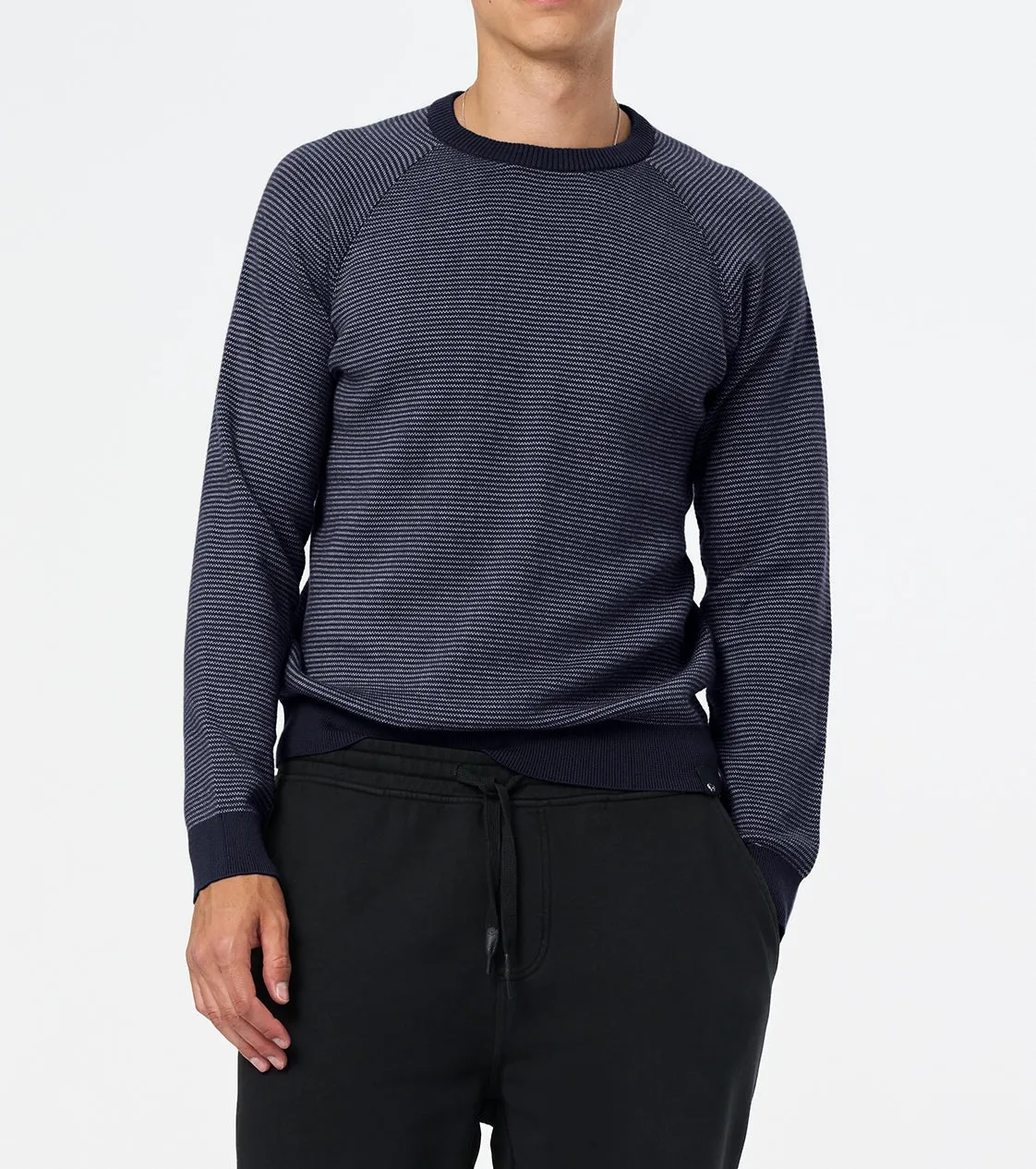
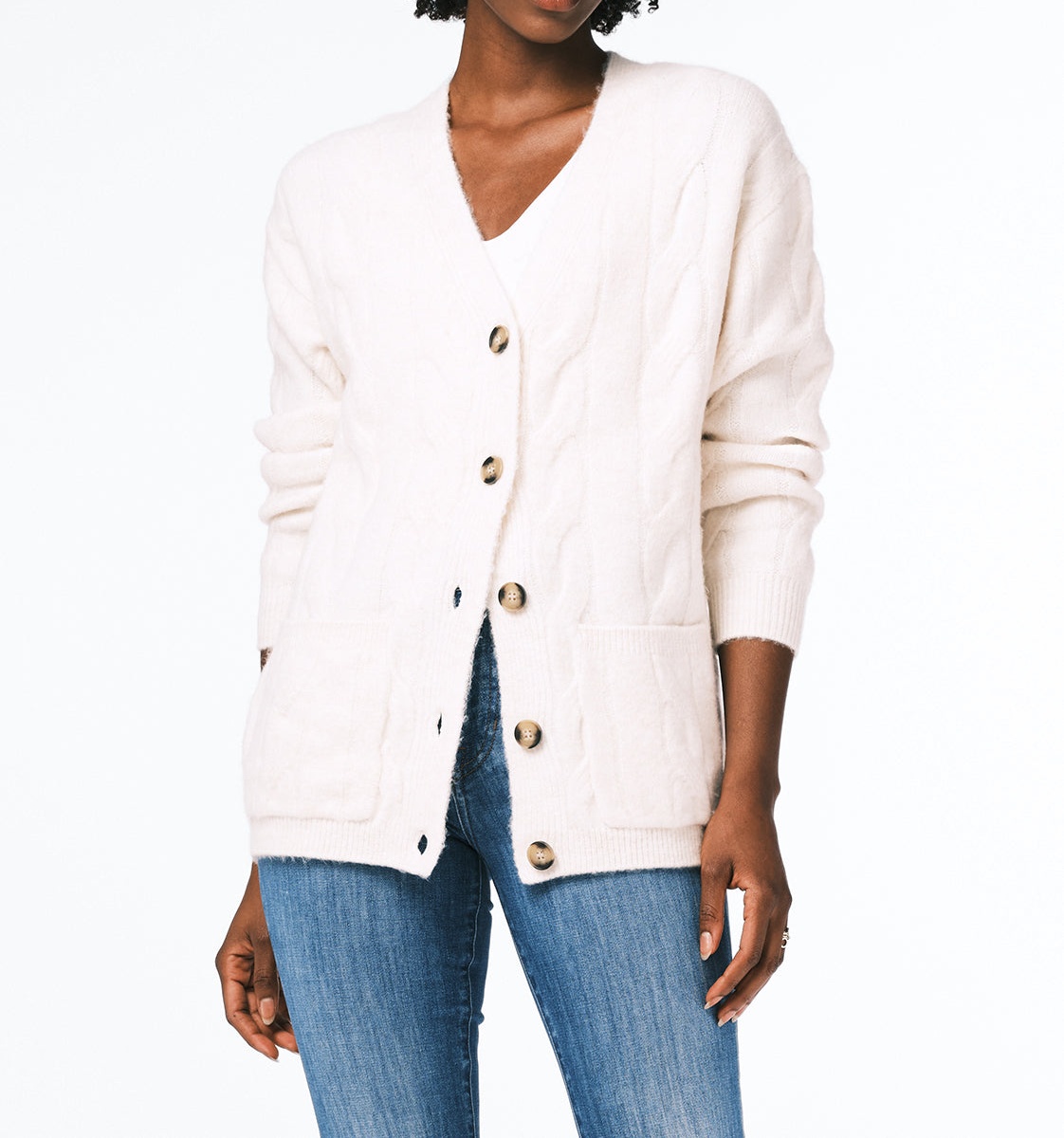
In the competitive world of clothing, many items appear to be similar initially. Crewnecks, cardigans, pullovers, and turtlenecks are often associated with similar shapes and materials. However, among the familiar genres, the jacquard sweater consistently stands out. Its singularity is not derived from the shape alone, nor from the seasonal pattern, but from a different method of knitting and a different philosophy of production.
For fabricators, textile engineers, and apparel brands, understanding the unique properties of jacquard fabric is not simply aesthetic. It’s a technical, functional, and commercial aspect that affects the selection of yarn, the setup of machines, the production cost, the durability, and the brand reputation. This article describes the common traits of a jacquard sweater, why it is considered a distinct component of modern knitwear, and why it continues to have a significant impact on the apparel industry.
Understanding the Jacquard Concept in Knitwear
The term “jacquard” derives from the Jacquard loom, an early 19th-century device that altered the way patterns were written and implemented. This device allowed for the design of complex patterns to be directly incorporated into fabric structures. While the first technology utilized in woven fabric was based on the principle of structural design, the creation of structural patterns became more common with the development of knitting.
In knitwear, a jacquard sweater is characterized by patterns that are internal to the knit structure, rather than by a surface print or needlework, respectively. Each design element, color alteration, or glyph is created during the knitting process through the controlled selection of yarns and the manipulation of stitches. This structural integration is what differentiates jacquards from other pre-designed sweaters.

Jacquard Sweater vs. Printed or Embroidered Sweaters
One of the most obvious differences is how patterns are generated.
In printed sweaters, designs are incorporated after the fabric is fabricated, utilizing screen printing or digital printing technology. These methods enhance the surface, but do not affect the structural foundation. Eventually, prints may become fragile, faded, or peel away. This is especially common after multiple washes and uses.
Post-production, embroidery is employed to design the sweaters. While embroidery is primarily visually pleasing, it increases the weight, consistency, and local stress of the fabric.
A jacquard sweater, however, imbues the design with the fabric’s very structure. The pattern is apparent as long as the sweater is present. No separate decorative layer is present; this results in superior resistance and a more integrated visual impression.
The Structural Complexity of a Jacquard Sweater
What makes a jacquard sweater unique is its structural diversity.
Unlike simple patterns that follow a small series of stitches, jacquard patterns require a continuous oversight of multiple strands of yarn across the width of the fabric. Every needle choice determines what yarn is displayed on the surface and what is left behind as a floating structure or secondary component.
This complexity allows for:
intricate patterns and multiple color options
Exact geometric or visual patterns
Variations in texture that are controlled by a single garment.
However, it also necessitates higher technical proficiency, advanced needlework machinery, and careful scheduling of production.
Yarn Interaction and Color Depth in Jacquard Sweaters
Another unique attribute of the jacquard sweater is the way it interacts with color.
Because multiple strands of fabric are simultaneously employed, jacquard sweaters have a depth and a richness of color that is not replicated by surface treatments. Colors appear more vibrant and three-dimensional, as they are composed of the yarn itself rather than a fabric’s pigment.
This coloring method is also beneficial for enhancing the longevity of colors. Since the color is intrinsic to the fabric, it fades less and is more durable than printed patterns.
For high-end brands, this color stability is a significant reason why jacquard sweaters are associated with quality and craftsmanship.
The Reverse Side: A Signature Feature of Jacquard Sweaters
Reversing the design of a jacquard sweater exposes one of its most significant characteristics: the reverse side design.
Depending on the method of knitting, the back of a jacquard sweater may appear to have floated, tucked stitches, or interlocked fibers. While often disregarded during the wear process, this internal composition has a significant impact on:
Stability of fabric
Temperature insulation
Stretch and recovery behavior
Experienced consumers and textile experts often assess the reverse side of a jacquard sweater to determine its technical merits.
Warmth and Insulation Properties
Jacquard sweaters are often considered to be more warming than standard knit sweaters; this is attributed to structural truth.
The multiple-yarn design increases the fabric’s layers, which are trapped by the design and enhance the thermal insulation. This implies that jacquard sweaters are particularly appropriate for fall and winter endeavors, outerwear, and markets that have a cold climate.
Additionally, skilled craftsmen can decrease the number of stripes and increase the stitch density in order to balance warmth with breathability, preventing the garment from being overly heavy.

Design Freedom and Creative Possibilities
From a creative perspective, the jacquard sweater offers unprecedented freedom to create.
Because patterns are pre-programmed into the knitting process, designers can experiment:
Large-scale patterns that cover the entire garment.
seamless changes between colors and patterns
Repeating or non-repeating configurations
Unique brand-specific design and patterns.
This degree of design integration enables jacquard sweaters to serve as both clothing and a narrative that can be used to promote a brand.
Jacquard Sweater Production: Skill and Technology
Creating a jacquard sweater is more difficult than creating a basic knit sweater.
Modern jacquard sweaters are typically constructed on computers that control the needle’s position and the placement of the yarn. This enables precise control over the process. However, the capability of the machine alone is not sufficient. The successful production of a product is dependent on its various components:
Effective pattern recognition
Effective tension management of the yarn
Skilled technicians who understand the behavior of yarns
Adequate sampling and testing
Any imbalances in these factors will lead to flaws like uneven tension, buckling, or poor definition of the pattern.
Cost Structure and Value Perception
The unique attributes of a jacquard sweater are also reflected in its pricing strategy.
Jacquard’s method of fabric creation involves a higher consumption of yarn as a result of the multiple colors and internal flotation. The production time is increased, and the machine’s efficiency is decreased in comparison to simple knits. As such, jacquard sweaters are typically priced higher.
However, this higher expense is compensated for by a greater perceived value. Consumers often believe that jacquard sweaters are associated with craftsmanship, durability, and superior design; they are therefore appropriate for markets that have a mid-range or high-end price.
Durability and Long-Term Wear Performance
From a functional perspective, jacquard sweaters have a tendency to perform better than simple knitwear over time.
Because the pattern is structural, it does not rely on the fabric to survive. With the proper choice of yarn and a finalizing procedure, jacquard sweaters will maintain their appearance after being worn multiple times and washed.
This longevity attribute makes them popular not only among fashion brands but also among uniform suppliers, historical labels, and brands that focus on longevity.
Jacquard Sweater Fit and Drape
The additional fabric of a jacquard sweater has an effect on how it falls on the body.
Compared to regular jersey knits, jacquard fabric has a higher body and more stability. This can help to enhance the shape of the garment, and it will also help to maintain the silhouette of the sweater throughout the day.
Designers must take into account this structural behavior during the development of patterns in order to ensure mobility and comfort while still maintaining a visual impact.
Jacquard Sweaters Across Market Segments
Jacquard sweaters are common in a variety of different markets, from fashion to commerce.
In high-end fashion, they are often employed to exhibit the artistic principles and craftsmanship. In apparel that is sold in stores or on the internet, jacquard sweaters serve as a visual distinction while still maintaining functionality.
This versatility has a positive effect on their longstanding popularity in the knitwear industry.
Sustainability Considerations in Jacquard Sweater Production
Sustainability is increasingly important in the design and production of jacquards.
Because patterns are embedded in the fabric, jacquard sweaters circumvent extra procedures like printing or embroidery; these procedures would involve chemical treatments or extra resources, respectively.
When combined with the responsible sourcing of yarn and the efficient planning of production, jacquard knitting can facilitate a more sustainable approach to manufacturing.
Common Misconceptions About Jacquard Sweaters
One common misconception is that jacquard sweaters are essentially ornamental. In reality, their design benefits include practical performance, including warmth, consistency, and shape retention.
Another common misconception is that jacquard sweaters are passé or seasonal. Today, modern design and advanced knitting technology have facilitated the evolution of jacquard sweaters, which have adopted the contemporary aesthetic and consumer preferences.
How Brands Use Jacquard Sweaters Strategically?
For companies, jacquard sweaters are often considered to be part of a collection’s statement.
They facilitate the expression of identity, promote the visual language, and distinguish themselves in competitive markets. Because of their perceived value, which is higher, jacquard sweaters also help optimize the margin and place the product in a superior position.
The Enduring Appeal of the Jacquard Sweater
Despite the changing patterns, the jacquard sweater has consistently been popular for decades. Its drawback is not in the novelty of the design, but in its capacity to combine artistic flair with technological prowess.
As consumers have increasingly prioritized quality, longevity, and considerate design, jacquard sweaters are now naturally associated with these traits.
Conclusion: Why Jacquard Sweaters Are Truly Unique
So, what makes a jacquard sweater unique?
Its uniqueness stems from structural pattern integration, advanced knitting techniques, rich color depth, enhanced durability, and exceptional design flexibility. Unlike surface-decorated garments, a jacquard sweater expresses its identity through the very fabric from which it is made.
For designers, manufacturers, and brands, jacquard sweaters represent a convergence of creativity and technical expertise. For consumers, they offer garments that look distinctive, feel substantial, and stand the test of time.
In an industry increasingly focused on differentiation and value, the jacquard sweater remains not just relevant, but essential.

 English
  French
  Chinese
  German
  Japanese
  Spanish
  Portuguese
  Russian